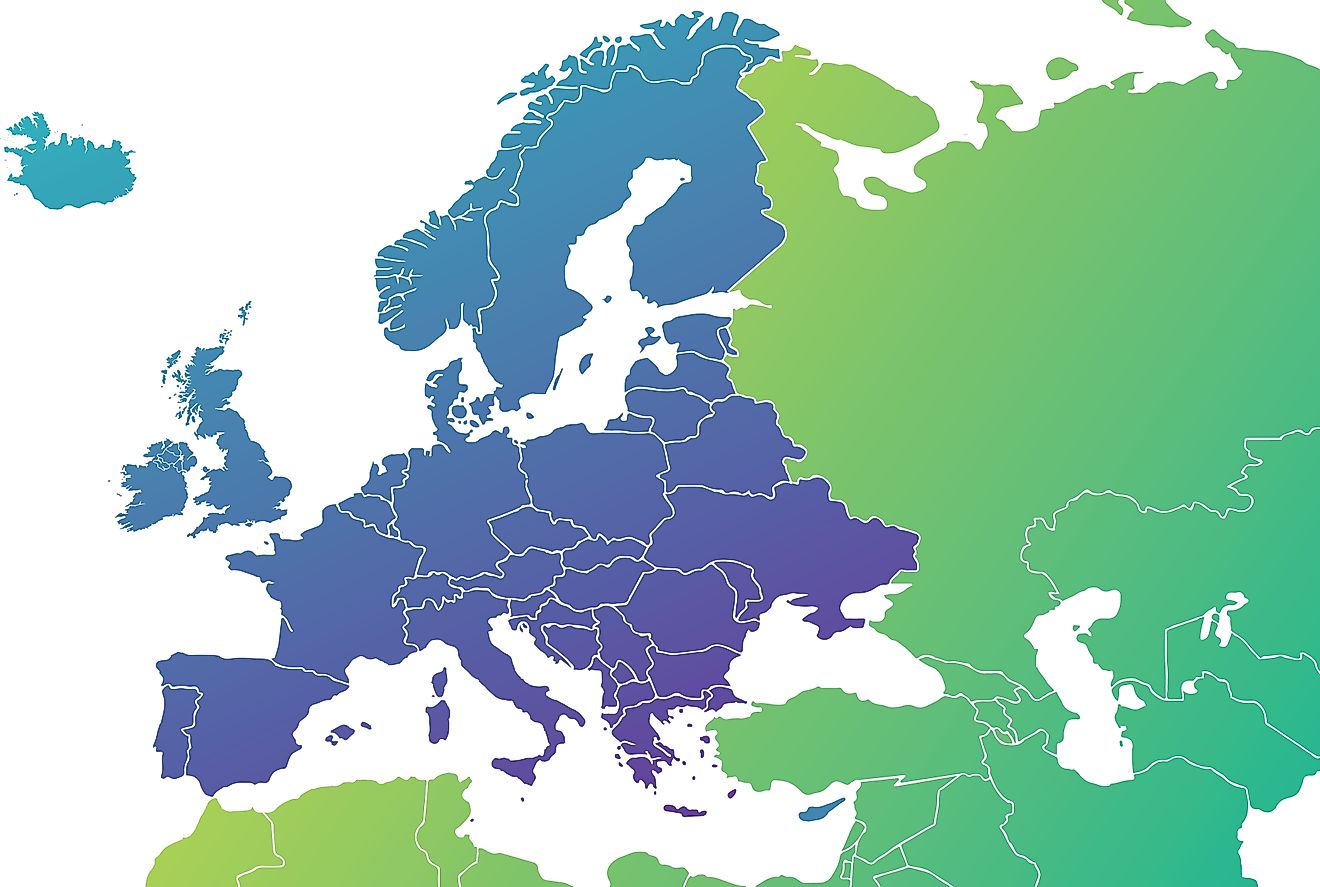
Europe sits farther north than most Americans assume, yet its winters are far milder than North American cities at the same latitudes, World Atlas reported.
- Rome and Chicago share 41.9°N latitude; Rome averages 55°F January highs, Chicago 32°F.
- Paris lies south of the 49th parallel; Grand Forks, N.D., 75 miles farther south, averages January highs of 16°F.
- Reykjavik, at 64°N, averages a high of 35°F in January; Nome, Alaska, at the same latitude, averages 13°F.
Atlantic currents and winds keep Western Europe warm
The Gulf Stream and broader Atlantic circulation carry warm water northward, keeping ocean temperatures near Western Europe relatively high. Prevailing westerly winds then push mild, moisture-laden air across the continent. North America’s eastern half has no such buffer; it is exposed to cold air masses descending from the Arctic and interior Canada.
City pairs illustrate the gap
Athens and St. Louis both sit near 38°N. Athens sees January highs around 56°F and lows near 45°F; St. Louis averages highs of 40°F and lows near 24°F. Rome and Chicago align at roughly 41.9°N. Rome’s January highs average 55°F with lows around 36°F; Chicago averages highs of 32°F and lows of 19°F, plus more than 11 inches of January snow. In late January 2019 a polar vortex drove O’Hare to –23°F, the coldest reading in 34 years. A light February 2018 snowfall closed the Colosseum and Roman Forum.
Paris sits about 10 miles south of the 49th parallel; Grand Forks, N.D., is roughly 75 miles south of it. Paris January highs reach 46°F with lows near 38°F. Grand Forks averages highs of 16°F and lows of –3°F.
Both cities have suffered winter floods: the Seine crested 28 feet above normal in January 1910 after months of rain; the Red River of the North broke Grand Forks’ dikes in April 1997 after a bitter, snowy winter, forcing evacuations while a fire gutted 11 downtown buildings.
Stockholm (59.3°N) and Anchorage (61.2°N) both endure cold, but Stockholm’s January averages are 31°F highs and 23°F lows versus Anchorage’s 23°F and 11°F.
Reykjavik and Nome share roughly 64°N. Reykjavik averages 35°F highs and 27°F lows; Nome averages 13°F highs and –2°F lows. Reykjavik heats virtually all homes with geothermal water that also supplies year-round open-air pools. Nome, born in the 1898 gold rush, hosts the Iditarod finish line; in winter 1925 sled-dog teams relayed diphtheria serum 674 miles to the ice-bound town.
Worth a look

Student Research: Biodegradable Sporks Could Cut NYC School Plastic Waste
Juliet Falk argues in a new report that biodegradable sporks could significantly cut down on plastic waste in...

Orlando Arts Groups Offer Experience Gifts and Ticket Discounts Through November 30
Orlando arts groups are offering experience-based holiday gifts that extend well past December, from a $50 Winter Mini-Fest...

NYC Park Soil Bacteria Found to Kill Lung Cancer Cells in Lab Tests
Soil collected from 25 Manhattan parks produced 17 bacterial cultures, and every single one killed human lung cancer...

Chicago Tribune: Costs and Engineering, Not NIMBYs, Ended White Sox South Loop Stadium Plan
In an editorial published Friday, the Chicago Tribune argues that engineering costs and federal rail priorities — not...