Utah launched a new database on Monday to honor Missing and Murdered Indigenous Relatives, a project built by families who say the justice system has forgotten them.
The database, called Traces, went live after a presentation at the University of Utah. MMIR Utah, the Native-led nonprofit behind it, wants to replace cold case files with remembrance pages that center the person, not the police report.
“Each relative has their own page. It isn’t a case file or a headline — it’s a remembrance of who they were, the people who loved them, the things they cared about and the community that they come from,” executive director Tammy Dee Platero (Diné) said.
The numbers behind the project are stark. A 2023 report from the now-disbanded MMIR Task Force for the Utah Legislature found Native people made up roughly 1.5% of the state’s population but accounted for 5% of all murder victims. Nationally, American Indian and Alaska Native people are murdered at a rate up to 10 times the national average, according to the CDC, and the FBI logged 10,248 reports of missing Indigenous people in 2024 alone.
“A big part of it is the media, the public memory, and the dignity that people truly deserve, because most of the time we also see folks don’t get that shine for their relatives, and we wanted a place that was a remembrance.”
Platero told Native News Online. She co-founded MMIR Utah after the state task force was dissolved in 2024, leaving families without an official channel.
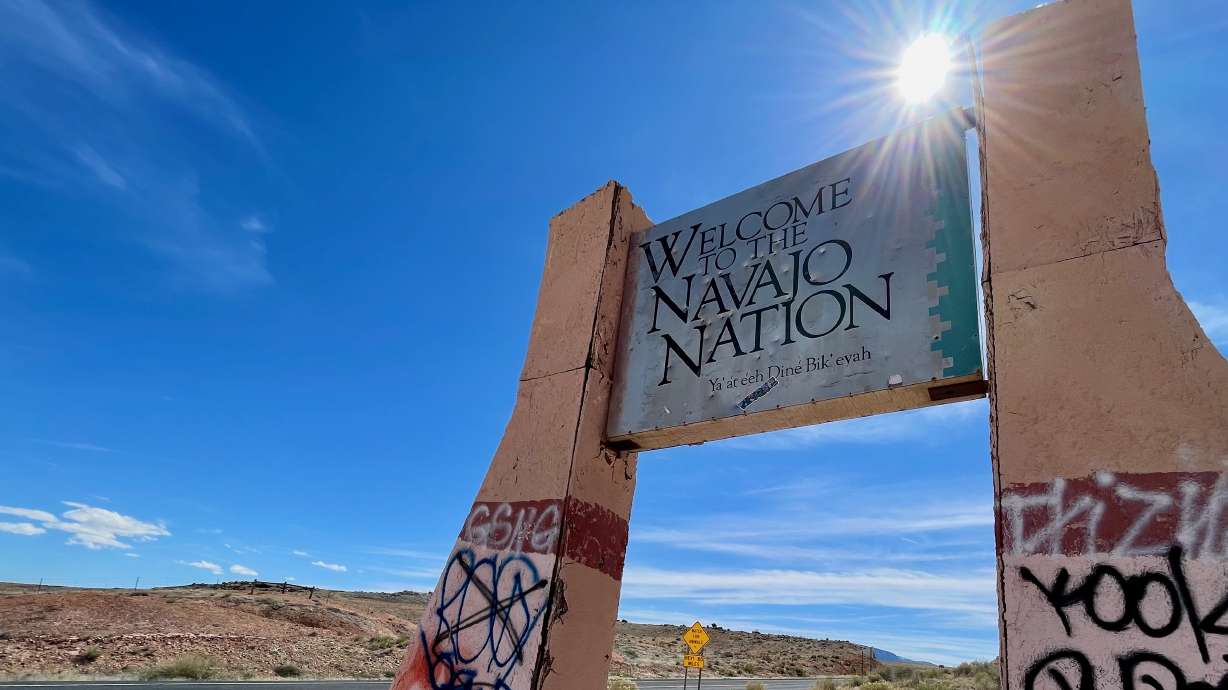
Data sovereignty by design
Traces operates on the OCAP framework — ownership, control, access, and possession — developed by the First Nations Governance Center. Families decide what goes public. They can submit a full case entry or just a photograph. The database stays private, accessible only to MMIR Utah staff, and information reaches law enforcement only at a family’s request. “We just want the families to guide us,” Platero said.
The intake form lets families choose what kind of help they want: phone calls to agencies, social media amplification, in-person support during court hearings, or ceremony. Platero described sitting with a family during a hearing for their murdered mother, bringing sacred medicines to smudge afterward.
“We live in a very cold system,” she said. “When you are going through grief or something so traumatizing, I’m just hoping that we can just be that extra layer of support.”
Eleven names to start
Traces launched with entries for 11 people. Native News Online detailed three: Rebecca Jane White, missing from South Salt Lake since 2012, possibly using the names Fasthorse or Runninghorse; Ermalinda Garza Sherman, 32, found shot and bludgeoned beside a desert road south of St. George on April 2, 1991, her killing still unsolved; and Matthew Jay Broncho, an enrolled member of the Shoshone-Bannock Tribes who vanished from Idaho in 2019.
His remains were found five years later in the Hansel Mountains of Box Elder County. “Why would he go to Utah? I’d never heard him talk about Utah,” his mother, Cynder Metz, told Native News Online.
Funding came from the University of Utah Department of Communication. The Utah Investigative Journalism Project researched and wrote the initial profiles. “We spent more than a year developing this project, but what we present today is a beginning, not an end,” said Eric Peterson, the project’s founder and senior reporter. He hopes family submissions eventually replace every journalist-written entry.
Funding cliff ahead
Platero is blunt about the structural problem. “Grants can’t just sustain this work,” she said. “We already have so much talent in our community. It’s more a question of, ‘How do we create that blueprint or pathways so we’re supporting one another in a practical way?'” Federal attention has risen, but money remains patchwork and temporary.
The database is an attempt to build a self-sustaining ecosystem of care across Indian Country — one that doesn’t vanish when a grant cycle ends.
Related reading
Minneapolis Council Rejects Police Chief Nominee 8-5, Mayor Vetoes Rejection
Minneapolis City Council voted 8-5 last Thursday to reject interim Police Chief Bill Peterson’s nomination for the permanent...

Alabama Sen. Arthur Orr Plans Bill for Three-Year Bachelor’s Degrees at Public Colleges
Alabama Sen. Arthur Orr plans to file a bill for the next legislative session that would let public...

Massachusetts Cannabis Commission Claims Oversight of Intoxicating Hemp
“When I look at this from a social justice perspective, we are being intentional with where we have...

College Football Week 12 Top 10 Games: Georgia-South Carolina, LSU-Tennessee Highlight Slate
Only one ranked-versus-ranked matchup dots the Week 12 slate, and the line on it sits above two touchdowns....