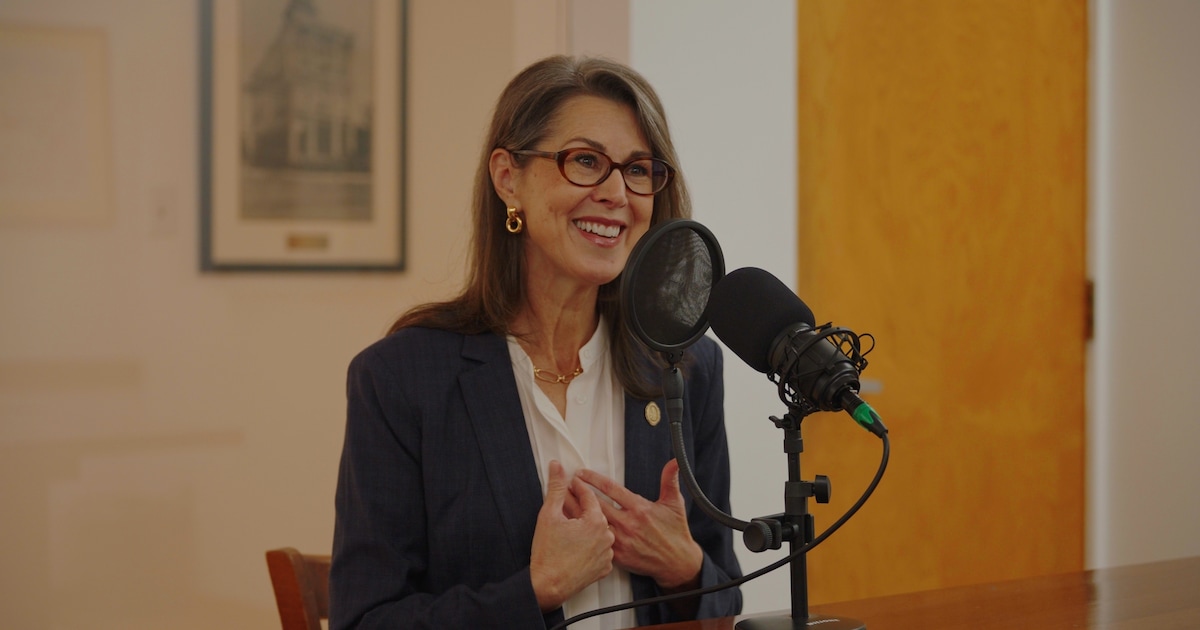
Utah Lieutenant Governor Deidre Henderson refused a federal demand for the state’s complete voter rolls, triggering lawsuits and threats of imprisonment that forced her to hire personal security, The Salt Lake Tribune reported.
The confrontation came during her tenure as Utah’s chief election officer under Governor Spencer Cox, placing the Republican official at odds with the Trump administration and members of her own party. Henderson detailed the standoff and her path from stay-at-home mother to statewide office on the latest episode of the Tribune’s “Mormon Land” podcast.
“I am tired of being muzzled by what he wants me to say. I want my own voice,” Henderson told her husband before running for state Senate in 2012, according to a New Yorker profile cited by the Tribune. The magazine described her as possessing “pragmatism but also for stubborn resolve on matters of conviction,” a trait tested repeatedly in the lieutenant governor’s office.

From kitchen table to campaign trail
Henderson’s political awakening began in 2007, when her youngest child started preschool. At 33, the Latter-day Saint mother of five had spent years watching conservative talk shows from her living room. She started by stuffing envelopes for Jason Chaffetz’s congressional campaign, eventually rising to campaign manager before winning her own state Senate seat five years later.
Her upbringing shaped the independence she later displayed in office. Born in the Netherlands while her father served at a NATO air base, Henderson grew up in a military family with roots in Idaho Falls. That background, she told podcast hosts Peggy Fletcher Stack and David Noyce, instilled a sense of duty that transcended partisan pressure.
The voter roll standoff
The defining crisis arrived when the Department of Justice demanded Utah’s full voter file — a request Henderson viewed as federal overreach. She refused. The decision drew lawsuits, formal investigations, and what she described as threats of possible imprisonment. Security details became a necessity for the state’s top election official.
The New Yorker later labeled her “intrepid” for holding the line. Henderson frames the episode as a defense of state sovereignty over election administration, a principle she argues protects voters regardless of which party holds power in Washington.
On the podcast, Henderson traced her resilience to her Latter-day Saint faith, describing it as a source of “strength” rather than political strategy. She spoke candidly about steering through a Republican Party increasingly aligned with former Donald Trump while maintaining institutional norms she considers non-negotiable.
“Why she has great hope for American democracy” forms the episode’s closing note — a perspective shaped by watching the system stress-test from the inside. The 27-minute conversation, available on YouTube and the Tribune’s Patreon page, marks her most extended public reflection on the voter roll battle to date.
Keep reading
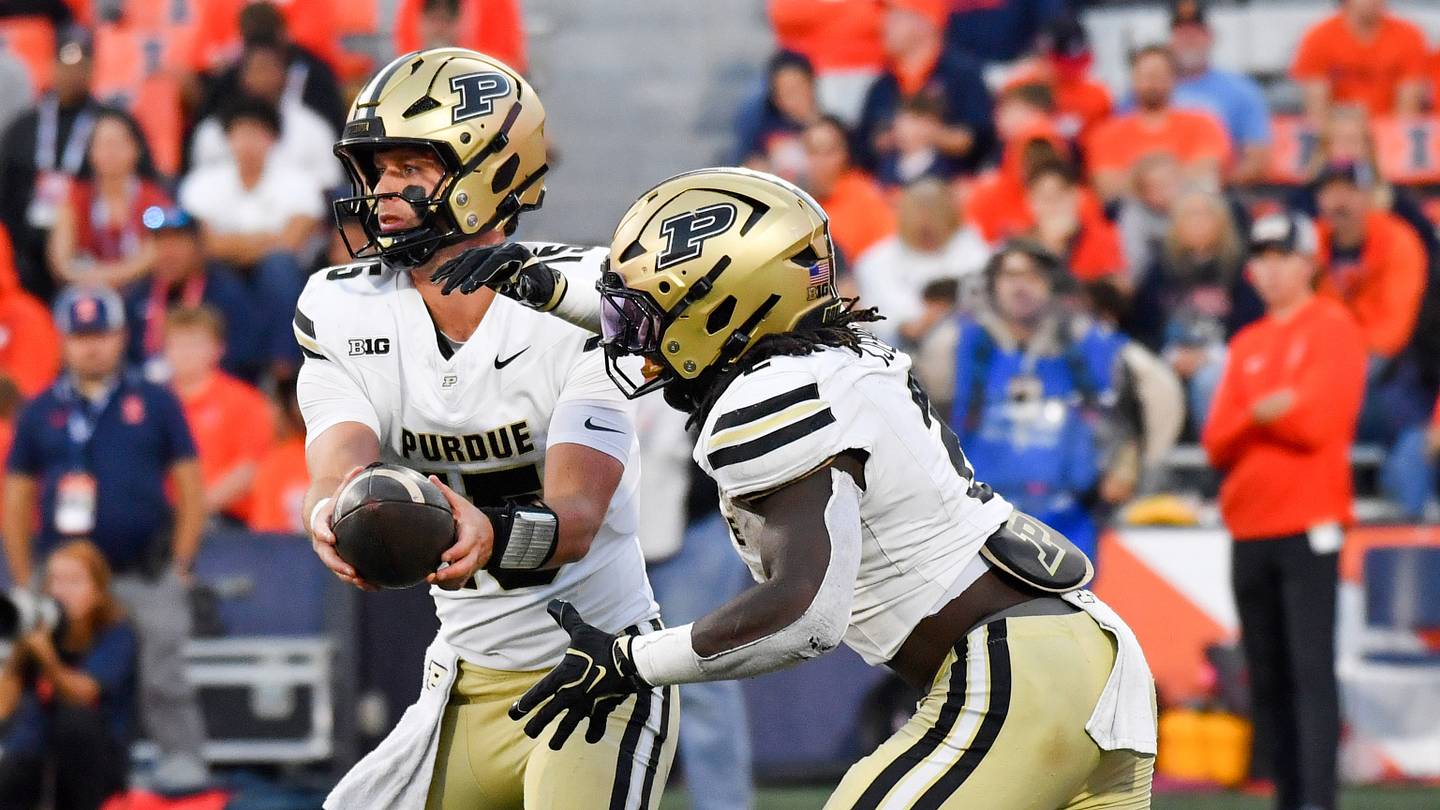
5 Purdue Players to Test Wisconsin’s Road Rebound
Wisconsin's bowl hopes took a hit with a 24-21 loss at Maryland last Saturday, and the Badgers (6-4,...
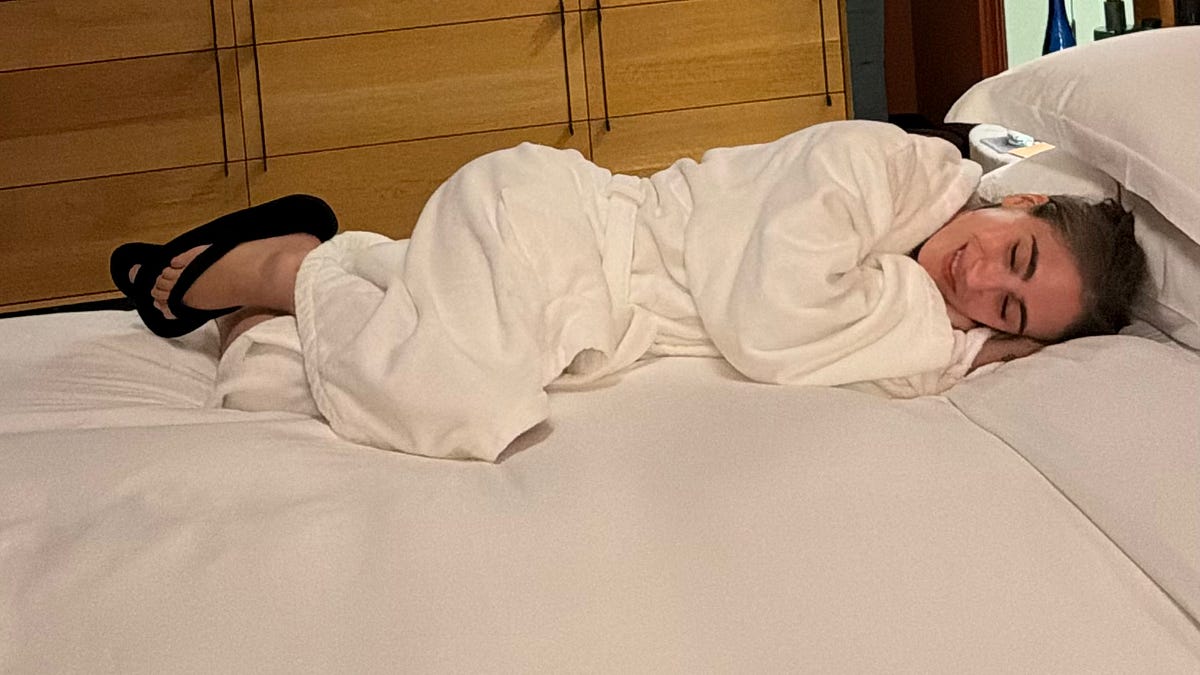
Cheyenne Grenaway Argues She Has Never Found an Antidote to Worry
In a personal essay for her Substack newsletter, Cheyenne Grenaway writes that she has not found an antidote...

Charleston Southern Names La Gamba Women’s Soccer Coach
Charleston Southern University announced Antonio La Gamba as its new head women’s soccer coach Tuesday, handing the program...

Stanford WBB Opens Historic 7-Game Road Swing at No. 16 Washington as Hailee Swain Leads Youth Movement
Stanford women's basketball opens a historic seven-game road swing Friday night at No. 16 Washington, the program's longest...