“I really, I don’t know what you’re talking about,” Jayden Daniels told CBC, delivering the line with a pause and a deflection that would have made the man he was impersonating proud.
The 25-year-old law student from Toronto was crowned the winner of a Nathan Fielder lookalike contest Tuesday night at the Paradise Theatre, besting 29 other grey-wigged competitors in a sold-out event that blended cosplay with the comedian’s signature strain of absurdist business theater.
The contest, co-sponsored by streaming service Mubi and Bad Dog Theatre, arrived amid a surge of renewed attention for Fielder’s work, particularly the documentary You Can See Everything, which examines disgraced Theranos founder Elizabeth Holmes.
That film provided the evening’s central bit: Second City alumnus Hannah Spear, dressed as Holmes, conducted unblinking one-on-one interviews with the finalists, a dynamic The Globe and Mail noted turned the stage into a hall of mirrors where “the various Fielders in attendance weren’t just dressed as director Nathan, but also referenced the Canadian multi-hyphenate’s long and singularly diverse career.”
Host Andrew Phung, known for Kim’s Convenience and Run the Burbs, opened the night by hailing Fielder as “a cultural icon, a Canadian pop culture phenomenon and a graduate of one of Canada’s top business schools with very good grades” — a nod to the Nathan for You tagline and Fielder’s actual 2005 business degree from the University of Victoria.
Judges Kelly White and Meagan Bianco, hosts of the Nathan for Us fan podcast, evaluated contestants on appearance, costume, physicality, and a business-pitch round that produced schemes worthy of the show itself.
One contestant, technology sales professional David Papay, pitched his indie band Never Better by holding up a QR code and admitting, “Right now we only have 250 followers, and statistically, 40 of those are my mom’s friends,” TorontoToday reported. Another proposed a lookalike contest where winners pay to enter: “This is not a prize list. This is a price list.”

The field narrowed through elimination rounds that included a “Fielder walk” catwalk set to Shakira’s “Hips Don’t Lie” — a callback to a viral 2010 dance clip — and a staring contest. Daniels, who had already won two Halloween contests as Fielder, survived by never breaking character. “There were some Nathan ringers out there,” he told CBC. “I’m shocked and flattered that I won.”
The phenomenon extends well beyond Toronto. Similar contests have recently popped up in New York, Los Angeles, and Sydney, signaling a grassroots fandom that has outpaced traditional marketing. Mubi, which will begin streaming Fielder’s series The Curse this week, capitalized on the momentum by offering a year’s subscription and a comedy course as prizes.
The streaming service’s bet on Fielder’s “unsettling” appeal — one attendee described him as “like an alien on Earth that’s pretending to be human” — reflects a broader industry scramble for IP that feels handmade in an algorithmic era.
For a comedian who built a career on the friction between sincerity and performance, the sight of three dozen people meticulously rehearsing his awkwardness constitutes a strange validation.
The contest wasn’t really about who looked most like Nathan Fielder; it was about who understood the assignment well enough to make the audience uncomfortable. Daniels won because he realized the best impression of a man who treats social interaction as a simulation is to refuse to acknowledge the simulation exists.
After the crown was awarded, the crowd stayed to watch the first episode of The Curse. The real Nathan Fielder was not in the building.

Disclaimer: The cultural analyses and financial data presented in this article are based on available public records and industry metrics at the time of publication.
Keep reading

Four Irish Authors and Translator Nominated for 2027 Dublin Literary Award
Four Irish authors and an Irish translator have been named among the 71 nominees for the 2027 Dublin...
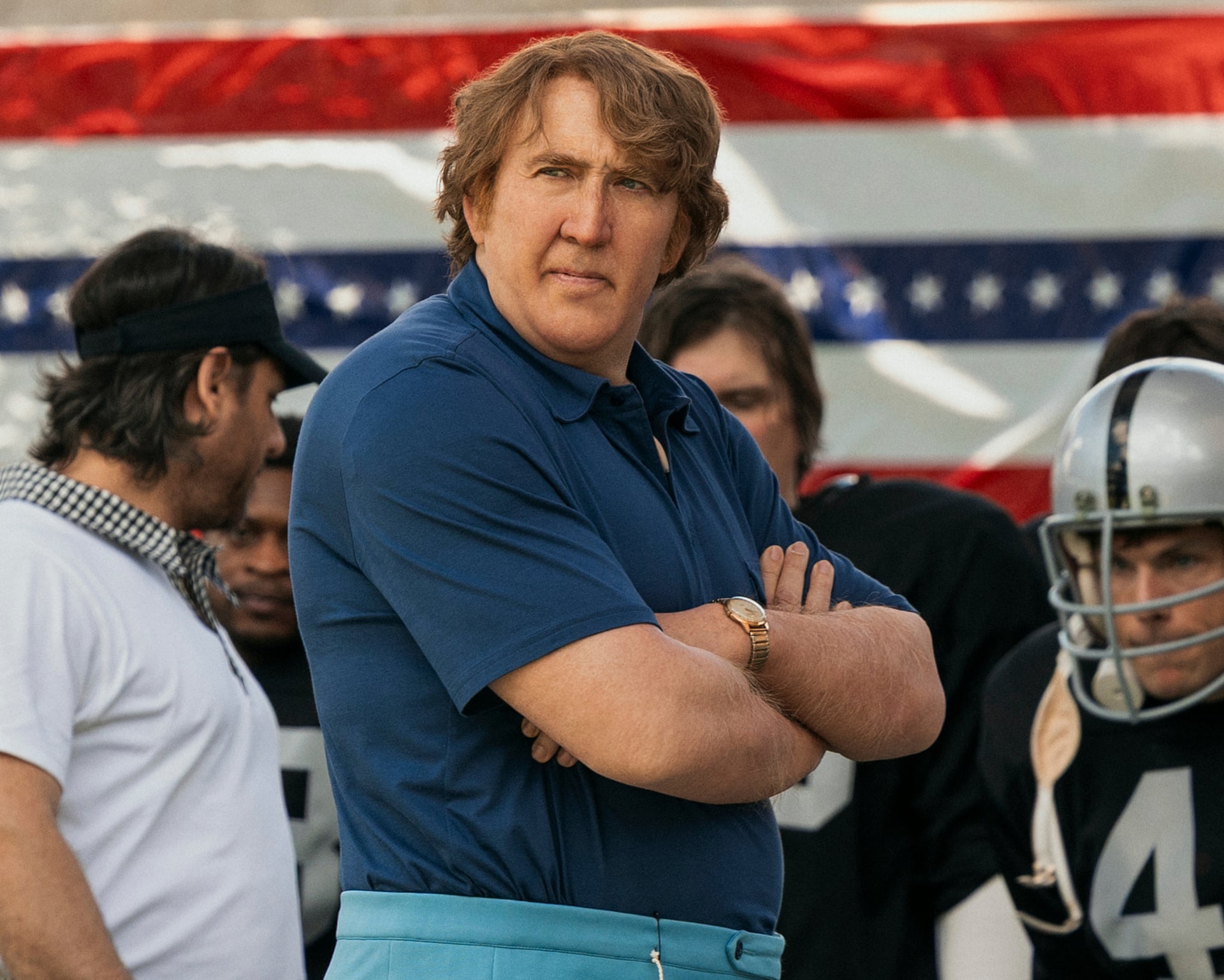
Madden’ Review: Nicolas Cage and Christian Bale Fumble Amazon’s John Madden Biopic
John Madden was a beloved American original, a coach whose influence on the NFL and the gaming landscape...
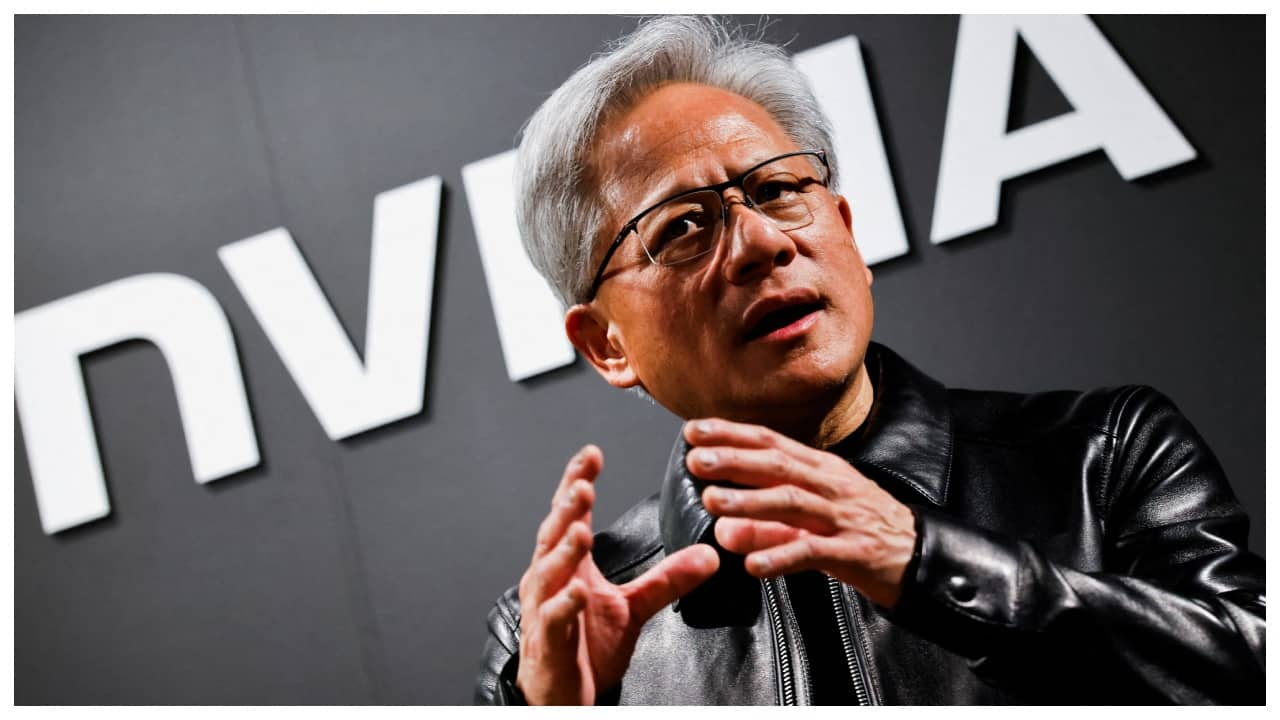
Nvidia Shares Fall After Earnings Beat as Leadership Vacuum Looms
"I mean, Jensen has been probably the most prominent CEO over the last couple of years.

Maura Higgins Secures Spot in Dancing With the Stars US Final After High-Scoring Semi-Final
Maura Higgins has officially waltzed her way into the season finale of the US version of Dancing with...