
Vermont border towns became a refuge and a staging ground for Lower Canada’s Patriote rebels in late 1837, drawing hundreds of armed exiles and splitting local opinion over neutrality.
The rebellion’s collapse around the Battle of Saint-Denis drove leaders including Louis-Joseph Papineau, Lucien Gagnon and Édouard-Élisée Malhiot into Swanton, Alburg, Highgate Springs and St. Albans, Vermont Daily Chronicle reported. Papineau crossed Missisquoi Bay at night in a rowboat, nearly drowning before reaching Swanton, according to a 1951 French account cited by the Chronicle.
Gagnon settled in Swanton by late November, slipped back across the border and returned with about 60 men. Malhiot followed with 70 to 80 men. They were stopped on December 6 at Moore’s Corner, just over the line in Quebec, where Édouard-Étienne Rodier was wounded and carried back to Swanton. The same group had set out from Swanton with two cannons, the Quebec Anglophone Heritage Network found.
“We feared British troops would cross the border, as they had in the Revolution and the War of 1812,” a St. Albans crowd told Governor Silas Jenison on December 11, according to a VTDigger history by Mark Bushnell. Jenison refused weapons from the state arsenal but called out the militia two days later to protect the frontier, aiming to avoid any sign Vermont was helping the rebels.
Many Vermonters disagreed. Nearly a dozen towns held rallies for the rebels in December 1837 and January 1838, and weapons and money probably followed, the Quebec Anglophone Heritage Network reported. Exiles started an English-language newspaper in Swanton and a French-language one in Burlington. The Franklin Messenger of St. Albans and the North American, published by exiles in Swanton from 1839 to 1841, became organs of the movement, the University of Vermont’s research guide notes.
The movement’s sharpest split unfolded in Vermont. On January 1 and 2, 1838, Canadian exiles met in Middlebury. Papineau urged caution; radicals including Cyrille-Hector-Octave Côté and Robert Nelson pushed him aside and planned a new invasion, the Dictionary of Canadian Biography says. Papineau left for France on February 8, 1839, a Parks Canada chronology shows.
Vermont courts proved lenient. After a failed attack launched from Alburg, American authorities charged Côté and Nelson with breaking neutrality laws. A court in Windsor acquitted both men in May 1838, and a banquet in their honor followed in Montpelier, Bushnell writes. Over the next few years most rebels laid down their arms and went home, and the border grew quiet again.

Red Sox Interested in Former Yankees Rookie of the Year Luis Gil After Non-Tender
The Boston Red Sox have expressed interest in signing free-agent right-hander Luis Gil, the 2024 American League Rookie...
“Hot track” conditions begin at 2:45 p.m. Saturday
"Hot track" conditions begin at 2:45 p.m. Saturday, sealing the Las Vegas Strip Circuit to all traffic more...

Kansas Special Committee Revives Proposal for Independent Energy Office
Kansas legislators are again debating a standalone energy office after a special committee on energy revived the proposal....
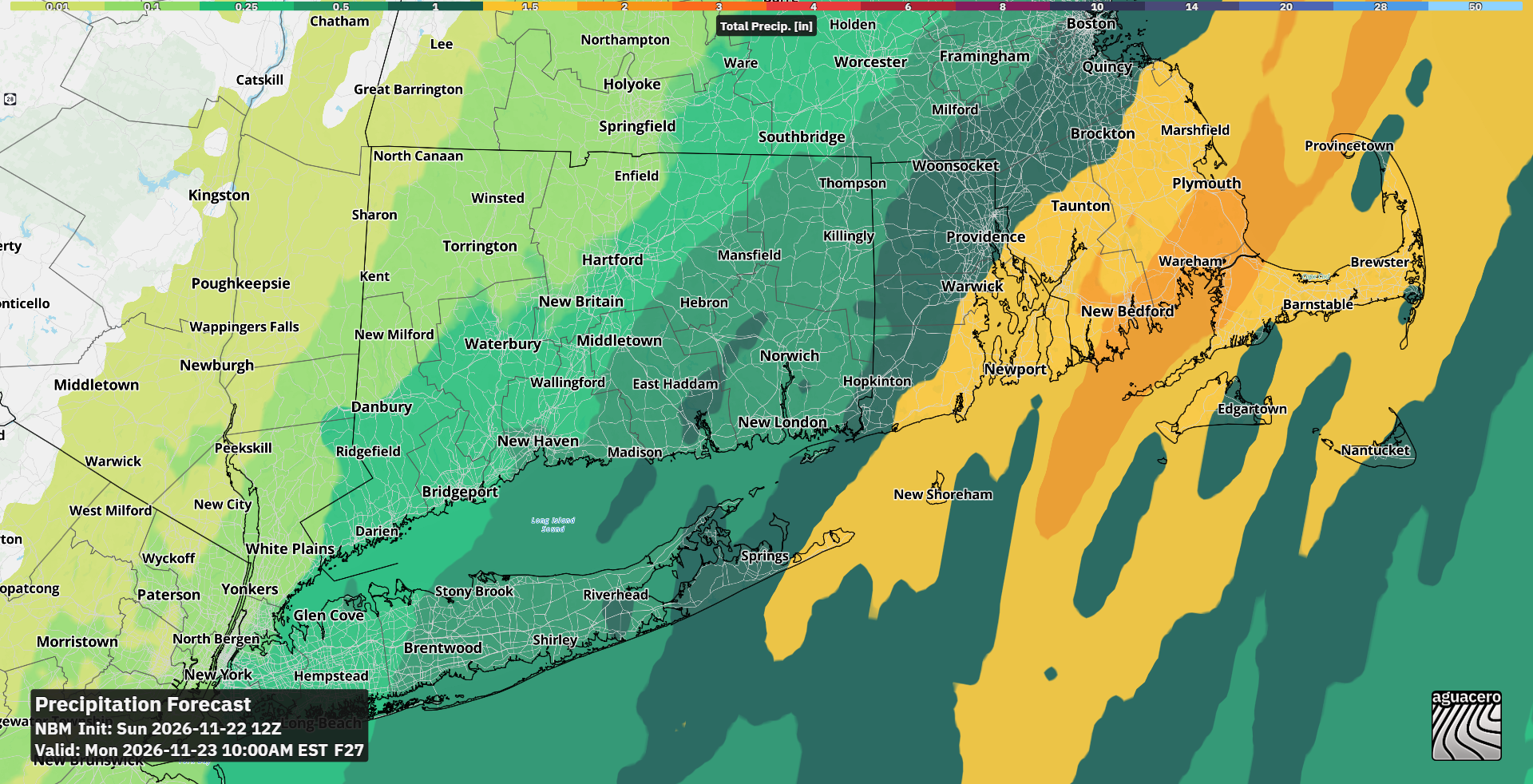
Connecticut Storm Weakens; Thanksgiving System Could Disrupt Travel
A coastal storm weakening over Connecticut tonight will give way to a potentially larger system that could disrupt...