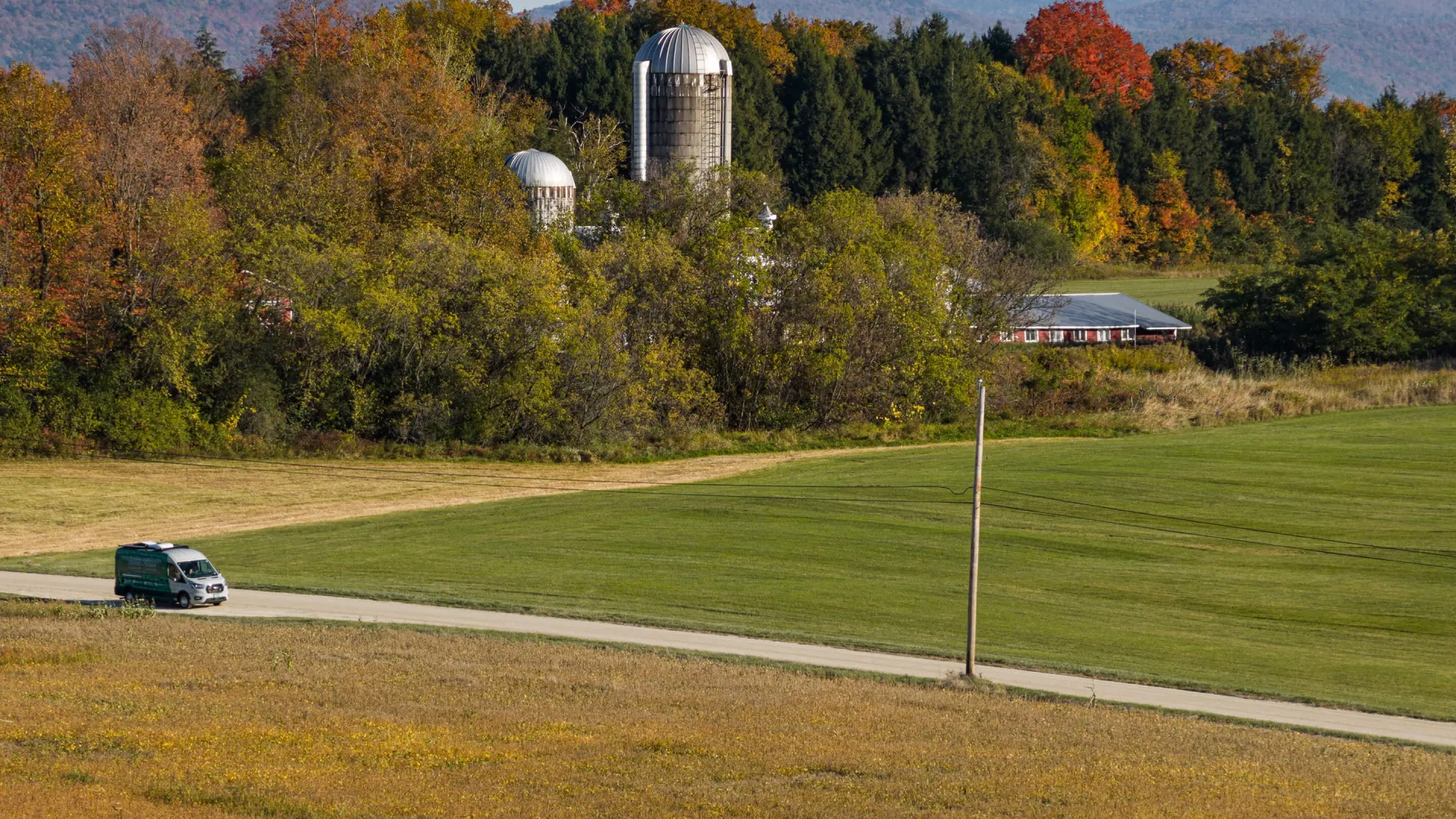
“Early detection can change the course of a person’s cancer experience, but screening only works if people can access it,” said Randall Holcombe, MD, MBA, of the University of Vermont Cancer Center.
A new grant from the Vermont Department of Health is helping the University of Vermont Cancer Center bring cancer prevention and screening services closer to rural Vermonters, as reported by uvm.edu.
This initiative addresses the persistent "rural cancer penalty," where people in rural communities face nearly 20% higher cancer mortality rates than those in urban areas, highlighting health equity challenges across the state.
“This partnership is about meeting people where they are and making it easier to access critical resources,” added Olivia Sharrow, executive director of VFRC.
In the first quarter alone, UVM Cancer Center teams engaged with 490 people across five community events, screening 75 individuals for signs of cancer.
Those initial efforts led to 22 referrals requiring specialty care and two referrals to Vermont’s Free & Referral Clinics for assistance with health insurance and primary care access.
The Rural Health Transformation Fund grant supports mobile outreach alongside VFRC’s statewide network to improve cancer prevention and follow-up care for uninsured and underserved Vermonters.
Services offered include skin checks for melanoma, distribution of FIT tests for colorectal cancer screening, HPV vaccination, and tobacco cessation counseling.
Beyond saving lives, finding cancer early also cuts down on overall healthcare expenditures, a tangible economic benefit for both individuals and the state.
This project aligns with the Cancer Center’s mission to lower the burden of cancer not just in Vermont but also across northeastern New York.
The financial backing comes through a financial assistance award totaling $385,049,776.46, which is 100 percent funded by the Centers for Medicare & Medicaid Services (CMS) of the U.S. Department of Health and Human Services (HHS) HHS.
Buried on page 42 of the newly released report from uvm.edu, the grant specifically targets the barriers—like travel time and lack of insurance—that prevent timely diagnosis in remote areas.
The disparity in mortality rates between rural and urban Vermonters isn’t accidental; it stems from lower screening rates and longer journeys to medical centers, a structural issue the grant seeks to mitigate.
However, sustained long-term success depends heavily on primary care infrastructure remaining viable in low-density populations, not just mobile clinics.
The program offers shared decision-making for those considering lung cancer screening and nutrition consultations focused on healthy living, showing a holistic approach to cancer prevention UVM Cancer Center.
The goal isn’t just screening; it’s connection—linking screening results directly to insurance enrollment and primary and specialty care pathways, as noted by VFRC’s efforts Vermont Department of Health.
The momentum is clear: with 490 Vermonters reached in just the first quarter, these efforts are actively creating new opportunities to keep Vermonters healthier and reduce cancer mortality.
“This grant allows us to bring proven prevention and screening strategies directly into rural communities and, importantly, helps people navigate what comes next,” said Randall Holcombe, MD, MBA.
- Home Alone Director Chris Columbus Says Sequel “Can’t Happen” Without Catherine O’Hara Hours Before Disney Announcement
- InForum: Bison GameDay Pregame Show vs. Northern Illinois Nov 21
- EMA Grants Conditional Approval for Daraxonrasib in KRAS G12C Metastatic Pancreatic Cancer (world-today-news.com)
- Missouri judge approves $7.25bn Bayer settlement over Roundup cancer claims (newsarchyuk.com)

Home Alone Director Chris Columbus Says Sequel “Can’t Happen” Without Catherine O’Hara Hours Before Disney Announcement
Chris Columbus told Variety on Friday that a new "Home Alone" film cannot happen without Catherine O'Hara, hours...

InForum: Bison GameDay Pregame Show vs. Northern Illinois Nov 21
Bison GameDay Pregame Show airs Saturday November 21. The North Dakota State Bison face the Northern Illinois Huskies...

Maryland Racing Commission Approves 114 Thoroughbred Racing Days for TMJC in 2027
The Maryland Racing Commission approved 114 live Thoroughbred racing days for The Maryland Jockey Club in 2027 on...

White Plains, Weaver, Ashville Win Boys Basketball; Girls Teams Also Prevail
Crew Martin knocked down three 3-pointers on his way to 20 points and White Plains held off Cherokee...