
Volunteers in Bismarck formed a glowing number on the Capitol grounds Wednesday night to mark the 394 students that Bismarck Public Schools identified as homeless last year.
Student groups, families and faculty gathered for the annual “No Longer Hidden” event, each person holding a keychain flashlight to shape the count in the dark. The demonstration is organized by the district’s Students In Transition program, which works to keep unhoused students enrolled and on track for graduation.
“Most youth that are homeless are hidden homeless,” Sherrice Roness, the homeless liaison for Bismarck Public Schools, told KFYR. “You don’t see them on the streets, we don’t see them on the side of the road, those kinds of things. So we like the community to know that we do have homeless youth in our area.”
The district’s tally fluctuates annually, Roness said, shaped by where the economy and society stand at a given moment. The 394 students counted last year represent children and teenagers who lack a fixed, regular and adequate nighttime residence — a definition that includes families doubled up with relatives, living in motels, shelters or cars.
“Don’t give up, keep pushing, don’t give up when things get hard,” said Sebastian, a seventh grader who attended with his friend Beckett, a sixth grader. “Yeah, I’d say don’t give up and just keep trying your best,” Beckett added.
Bismarck, the capital of North Dakota and seat of Burleigh County, sits on the east bank of the Missouri River across from Mandan. Founded in 1872 as Missouri Crossing, it was renamed Edwinton for a railway engineer before the Northern Pacific Railway rechristened it in 1873 to honor German chancellor Otto von Bismarck, making it the only U.S. state capital named for a foreign statesman.
It became the Dakota Territory capital in 1883 and the state capital in 1889. The 19-story Art Deco State Capitol, completed in 1934 after the original burned in 1930, is the tallest building in the state at 241.75 feet and anchors the Capitol grounds where the flashlight demonstration took place.
Bismarck’s Students In Transition program provides transportation, school supplies, hygiene items and referrals to community agencies. Federal McKinney-Vento funds cover a portion of the cost, but the district relies on local donations and volunteer hours to fill the gaps.
Worth a look

Nevada Gov.-Elect Aaron Ford Vows 30-Day Legislative Blitz on Drug Prices, Housing, School Meals
"Those are concrete things that immediately can bring some level of effect to this cost-of-living crisis that we're...
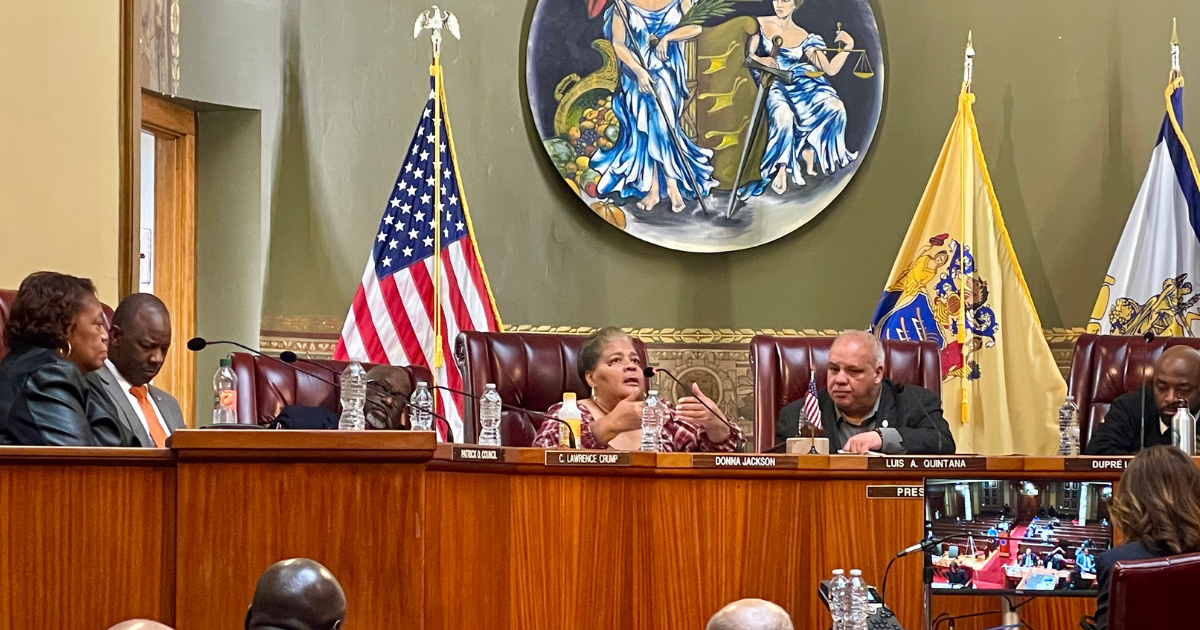
Newark Homeowners Face a $458 Property-tax Increase in 2026
Newark homeowners face a $458 property-tax increase in 2026 while the city operates without an adopted budget a...

Julia O’Malley: Anchorage Grocers Use Electronic Tags; One Chain Gets 35% Net Income From Data
Anchorage's three major grocery chains use electronic shelf tags for real-time pricing and data harvesting, with one company...
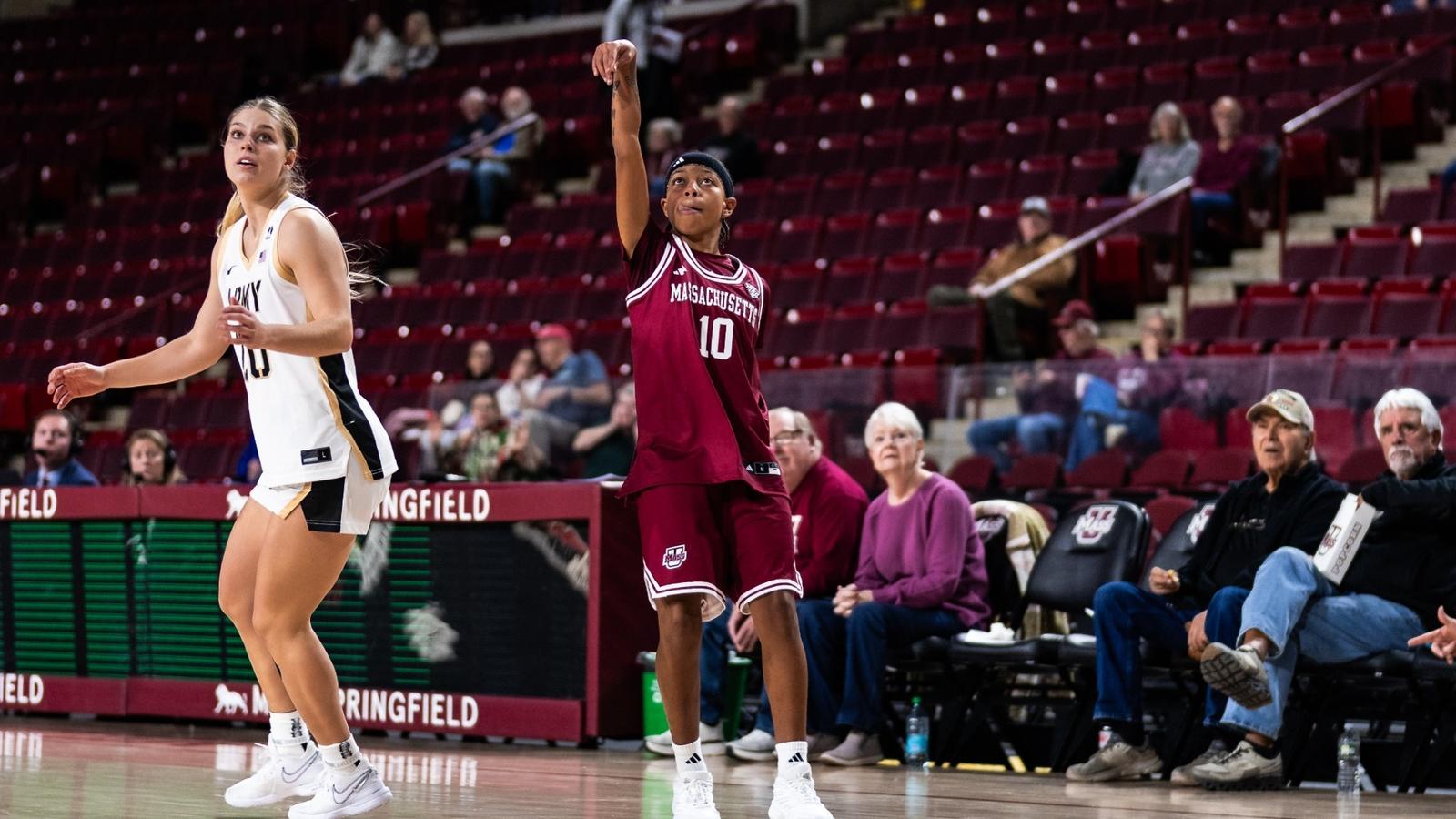
UMass Women’s Basketball at Boston College Friday for 20th Meeting
UMass women's basketball (3-2) heads to Chestnut Hill on Friday, November 20 for a 6 p.m. tipoff against...