
Tens of thousands of voters in Mississippi were shifted to inactive status following an aggressive use of commercial data to scrub state voter rolls, according to reporting from The Atlantic.
The surge in inactivations has triggered an intensifying post-election legal battle over how to treat affidavit ballots, as campaigns and voting-rights groups clash over the validity of votes cast by those flagged by the data.
In DeSoto County, an area just south of Memphis with one of the state’s largest concentrations of Black voters, the impact was immediate. State data shows that the number of active voters in the county declined by nearly 10,000 between September and October.
Mississippi officials used data from Experian, a commercial provider with a national database used to identify potential address changes, to maintain voter rolls. While some states use such data to encourage voters to update registrations via postcards or direct contact, Mississippi applied the information more aggressively.
Experian has distanced itself from the scale of the state’s implementation. Scott Anderson, Experian’s vice president for corporate communications, told The Atlantic that the company has not provided services to Mississippi since early 2025.
“The solution provided at that time consisted of supplemental address information and was not designed or intended to validate voter records.”
A 2025 review by the U.S. Election Assistance Commission found that zip codes with higher proportions of Black residents were more likely to be flagged for “new addresses” by Experian’s voter-roll-maintenance data. This flagging process potentially leads to voter inactivations in those specific communities.
The administrative shift has moved directly into the courtroom. The election results now hinge on the treatment of affidavit ballots—provisional votes cast by individuals whose eligibility was questioned at the polls.
Hyde-Smith’s campaign has called for these affidavit ballots to be separated from regular ballots, a move that suggests a legal challenge to their validity in the coming days. Conversely, Colom’s campaign maintains there is no legal basis to treat affidavit ballots differently once they have been processed.
The dispute over these ballots could serve as a precursor to a broader judicial decision that will ultimately determine whether Colom or Hyde-Smith prevails in the election.
The situation has drawn comparisons to Mississippi’s history of efforts to systematically disenfranchise Black voters. The concentration of inactivations in high-density Black voting areas like DeSoto County has heightened concerns regarding the demographic impact of the roll maintenance strategy.
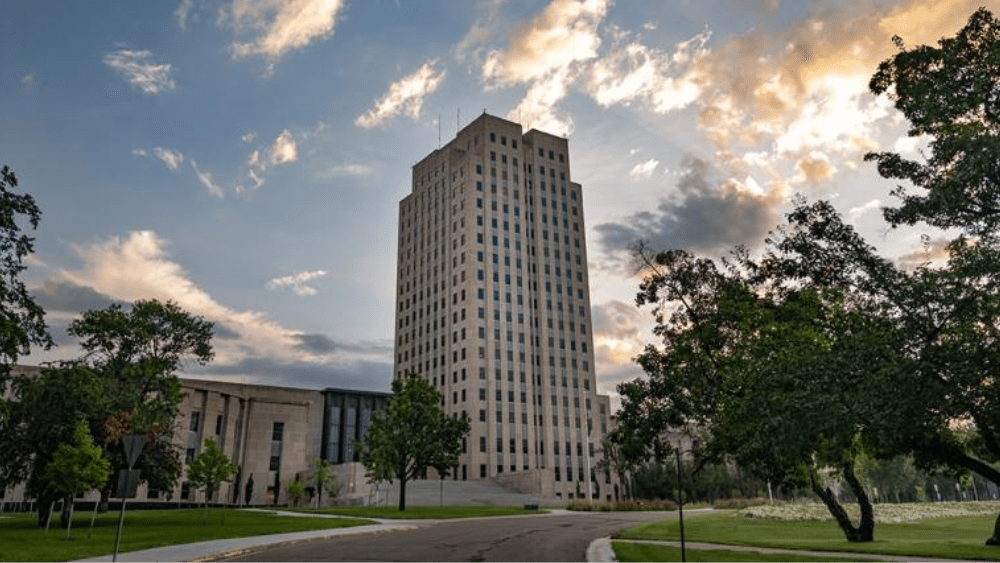
North Dakota Receives $206 Million to Transform Rural Health Care
North Dakota secures $206 million for rural health North Dakota will receive $206 million in federal funding to...

Magic Mike Live to Begin Performances in NYC on January 28, 2027
The cast of Magic Mike Live has begun dancing through iconic New York City locations to preview the...

Tomasita’s Albuquerque Reopens Following Six-Week Fire Closure
Tomasita's in Albuquerque reopened on Monday following a six-week closure triggered by a fire involving an exhaust vent,...

University of Montana Proposes First Human-Centered AI Certificate
"Because we think a lot about how do we not just remain alongside artificial intelligence but really be...