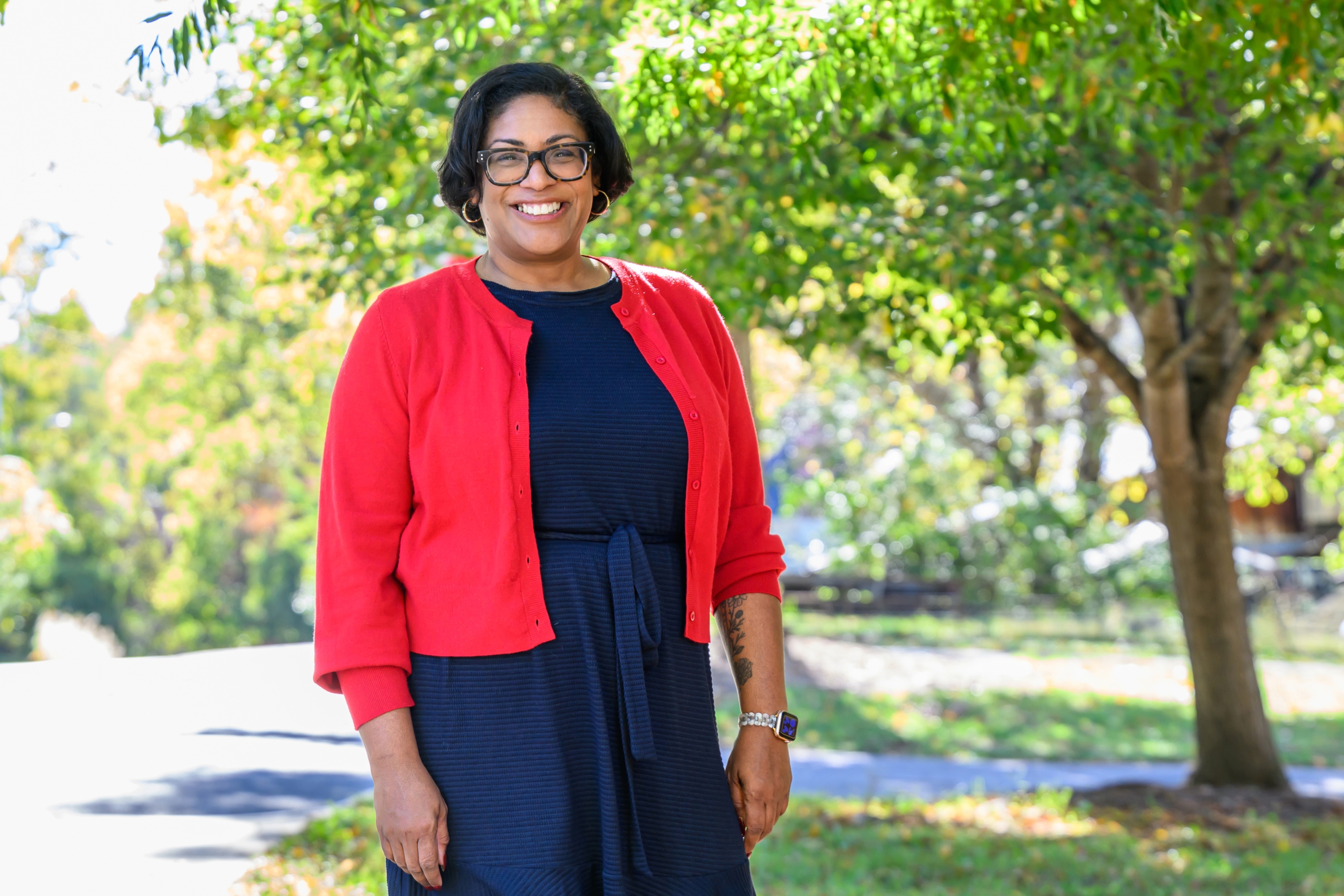
Castenell, who is entering what she calls her fifth year at W&L — though a first-year fellowship at the Newberry Library means it is technically her fourth year on campus — describes herself in three words as “passionate, stubborn and optimistic.” The profile, published by the university’s news office on November 4, 2026, traces her life from an Afro-Creole family in New Orleans with roots in the city dating to the 18th century to her time abroad in Paris, her book club, her pets, and her deep attachment to Mardi Gras.
A New Orleans Upbringing That Never Leaves Her
Born and raised in New Orleans, Castenell says the city is “my favorite place on earth and is central to my cultural identity.” She jokes that anyone who knows her can attest that she “never shut up about it.” Her family’s history in the city stretches back to the 1700s, and that lineage carries a remarkable connection: she is a descendant of Marie Laveau, the legendary voodoo practitioner whose name remains one of the most recognizable in New Orleans history.
Her choice of a historical figure she would like to spend a day with reflects that heritage. She names Dr. Louis Charles Roudanez, a free man of color in New Orleans who helped shape Reconstruction, practiced medicine, and edited and financed the first daily Black newspaper in the United States, La Tribune de la Nouvelle-Orléans / The New Orleans Tribune. She says she would want to talk with him about “his life, his politics and his strength of will at such a tumultuous time in U.S. history.” If she could instead speak with someone from her own past, she would choose her paternal grandmother, Gloria Barjon Castenell, who died when she was five. She looks like her grandmother, has been told they share a personality, and never got to hear her stories firsthand.

Mardi Gras as a Family Reunion
When asked about her favorite family holiday tradition, Castenell does not hesitate: Mardi Gras. Her mother is the ninth of 13 siblings, and though many relatives have left New Orleans, most return for the season, turning the holiday into what she describes as a huge family reunion. The family attends as many parades as possible in the week before Mardi Gras, often followed by Carnival balls. On Lundi Gras, everyone dresses in costumes around a theme chosen by her aunts and heads to the riverfront celebrations. On Mardi Gras day itself, her uncles stake out a spot on St. Charles Avenue’s neutral ground, erect a tent, set up a grill, and gather before 8 a.m. for the parades.
She is candid about the toll it takes: late nights, early mornings, miles of walking, hours of standing and dancing. But she loves being surrounded by family and immersed in what she calls New Orleans’ “unique and beautiful culture.”
From Shy New Orleanian to Paris and Back
The most adventurous thing she has done, she says, was studying abroad for eight months in Paris during graduate school. At that point she had barely been outside New Orleans, her French was mediocre, and she was extremely shy and introverted. She went anyway, learned French, made new friends, traveled across Europe, and came out of her shell.
Those same roots still show in her tastes. Her favorite foods are a toss-up between her mother’s or brother’s filé gumbo and very spicy boiled crawfish from a New Orleans seafood shop. Her most repeatedly read book is Anne Rice’s The Feast of All Saints, which she read 16 times and adapted into a screenplay that Rice signed but that was lost in Hurricane Katrina. For television, she cycles through the sitcom Frasier. Radiohead is the band she never tires of, though she is currently in a George Michael phase.
Life Off Campus: Books, Pilates, Pets, and Pet Peeves
Away from work, Castenell reads contemporary romance novels and co-leads a book club, goes to the movies, follows pop culture, and admits to a “slight (read: severe) TikTok addiction.” She recently started reformer pilates and is “obsessed.” She travels, spends time with family, and shares her home with two cats and two dogs. Chores are another matter entirely: she hates all of them, including cleaning, cooking, and grocery shopping, though she concedes they must get done.

Her pet peeves are vivid and specific. She has misophonia, so beeps, backup alarms, and phone notifications grate on her. She also objects to drivers in her region who persistently travel five miles below the speed limit, and to loud overhead lighting. She sums up the condition as what her family calls “bad nerves,” adding that maturity has let her let most things go — but not the noises and the slow drivers.
The column offers a portrait of a colleague whose public warmth and private stubbornness, rooted in one of America’s most culturally distinct cities, make her one of W&L’s most distinctive voices — and whose family tree quietly connects the university to one of New Orleans’ most enduring legends.
Worth a look

Obituary: Helena Gardner White of San Antonio, Texas
Every morning began the same way for Helena Gardner White: a cup of coffee in hand, sitting on...

AG Hanaway settles Jackson County tax dispute and defends Homestead Credit
Missouri Attorney General Catherine Hanaway announced on Wednesday that her office had won two significant legal battles over...

Minneapolis ICE Protests Spark Nationwide Backlash Against Trump Administration in 2026
Democratic Midterm Sweep Entrenches Capitol Hill Power, Traced to Minneapolis Protests Last night's elections delivered a decisive rebuke...

Mississippi Senate race still unresolved after shockingly close Democrat challenge
Democrats have already secured control of the U.S. Senate in the 2026 midterms, but the size of their...