
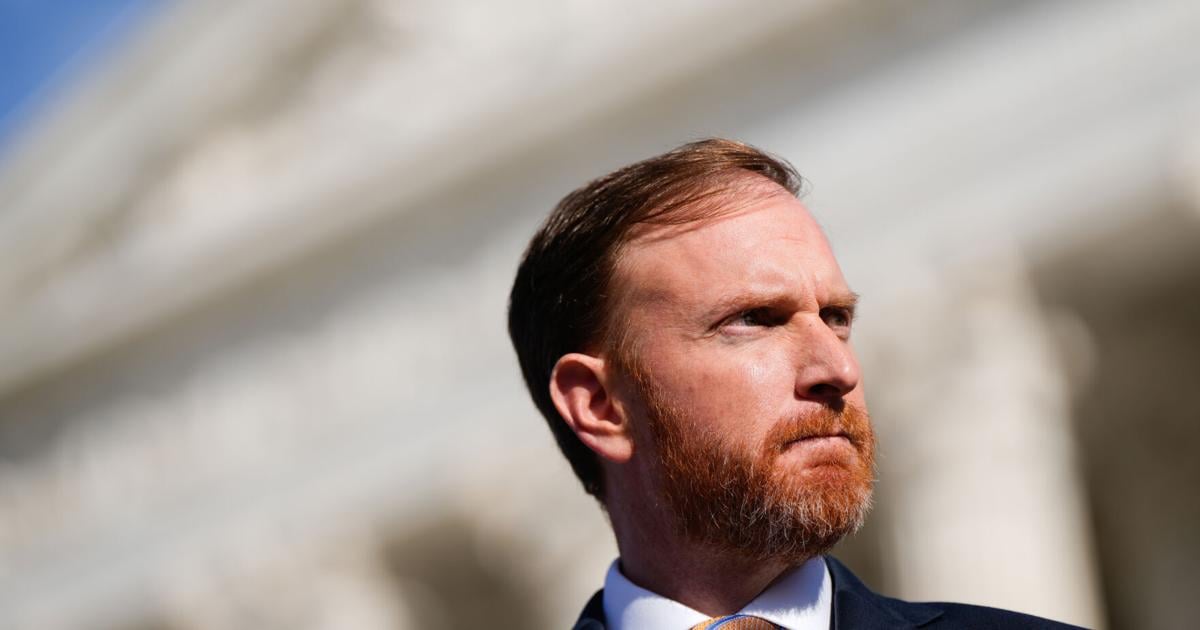
CHARLESTON — When TikTok tells parents its platform is built with their children’s safety in mind, West Virginia Attorney General JB McCuskey says the company is misleading them. On Thursday, McCuskey filed a lawsuit in Kanawha County Circuit Court alleging that TikTok violated the state’s Consumer Credit and Protection Act by claiming the app is safer for kids than it actually is, WV Gazette-Mail reported, charging that the company failed to shield minors from harmful content and sexual predators, according to the court filing.
This marks McCuskey’s second legal action against a tech giant this month, following a suit filed two weeks ago against OpenAI. The pattern reflects a deliberate strategy: the attorney general has made holding Silicon Valley accountable a priority of his tenure, joining 47 other states in August to secure a $17 billion settlement with Meta over similar allegations that Instagram and Facebook harm children. West Virginia’s share of that deal totals about $114 million. Now TikTok faces the same scrutiny, despite the platform’s status as the dominant social app among American teens—68% of those aged 13 to 17 use it regularly, according to a Pew Research Center poll from last December, Coal Valley News reported.
Two Accounts, Two Feeds
The lawsuit centers on what investigators found when they tested the platform’s recommendation algorithm. McCuskey’s Consumer Protection Division created two accounts—one posing as a 13-year-old girl and another as a 35-year-old woman—to see what content each would receive. The results were starkly different. While the adult account was recommended recipes and local restaurants, the child’s feed displayed clips containing sexual references and simulated sex acts, prosecutors say. The suit points to these results as evidence of the significant disparity between what TikTok shows parents versus children, including brand-new users who lack any personalized recommendation history.
McCuskey argues the algorithm was deliberately designed to hook young teens and keep them scrolling. In a statement, he said TikTok intentionally designed its application to maximize engagement among young teenagers for extended periods while neglecting to implement proper protections for minors. According to the legal action, the company deliberately focused on young users—especially adolescent males—and understood that children are especially vulnerable to the tactics used to keep them engaged. The goal, prosecutors say, was to get users addicted early and keep them coming back to maximize time spent on the app.
The Real-World Consequences
That same algorithm exposed teens to videos featuring sexual content, violence, and drug use, potentially harming their mental health, the suit claims. It also encouraged children to participate in dares with real-world consequences. Last year, students in McDowell County reportedly damaged school computers as part of a so-called “Chromebook challenge” inspired by content on the platform. The filing also notes that minors using the platform are exposed to dangers from bullies and sexual predators, citing instances where registered sex offenders created accounts without alerting West Virginia State Police.
Despite knowing that its safeguards were insufficient to protect younger users, TikTok did nothing to address the problems, the suit alleges. McCuskey said parents in West Virginia ought not to be forced to rival an algorithm designed to keep their children scrolling while simultaneously exposing them to sexualized material.
TikTok Pushes Back
The company disputes every allegation. A TikTok spokesperson said the lawsuit relies on misleading and inaccurate claims and ignores concrete safety measures the company has voluntarily implemented. The spokesperson noted that TikTok teen accounts come with more than 50 preset safety, privacy, and security settings, and that Family Pairing allows parents and guardians to customize the experience for their teens. The company has pledged to defend itself in court.
What the Court Has Not Yet Decided
Court dates have not been set for either the TikTok case or the earlier suit against OpenAI.
More on West Virginia Attorney General
Vietnam climate tech funding fell 52% in 2025, report says
In 2025, Vietnam's climate tech sector secured $49.86 million via 33 deals, marking a 52 percent fall from...

Wyoming Highway Patrol Limits Mileage and Overtime to Offset Budget Overrun
Wyoming Department of Transportation Director Darin Westby told lawmakers at a meeting last week that the agency has...
Democrats Gain Seats in West Virginia Legislature Amid GOP Supermajorities
Democrats Gain a Dozen Seats in West Virginia Legislature as Republicans Keep Supermajorities Democrats picked up 12 seats...

UW-Platteville volleyball beats Cornell College in five sets
The University of Wisconsin-Platteville volleyball team dug out of a two-set hole and beat Cornell College 25-17, 22-25,...