
Nearly 13% of West Virginia’s bridges were found to be in poor condition by a recent study, ranking the mountainous state as the worst in the nation for infrastructure maintenance and power reliability.
“West Virginians sent us to tackle real problems and deliver real results,” Gov. Patrick Morrisey said in March 2026.
Yet the data compiled in the study highlights deep fractures in the state’s foundational services. West Virginia recorded 17 hours of power outages annually, the highest average in America. For comparison, Nevada averaged two hours of disruption and Arizona recorded just one hour.
Topography alone does not account for the widening gap. Colorado, another mountainous state, reported only 11% of its bridges in disrepair and limited annual power outages to five hours.
Beyond the power grid and bridge decks, public health and connectivity indicators lag behind national norms. Community water systems face frequent health violations, and broadband availability reaches only 89% of residents, placing the state 47th nationally. Only Montana and Alaska report lower connectivity rates, though both cover vastly larger geographic areas.

Road conditions and transportation safety intersect sharply within these statistics. The state ranks 37th for road pavement quality, a factor local analysts connect to mounting traffic hazards. West Virginia records the highest per capita crash rate for drivers over 65 in the nation, with 42 accidents per 100,000 residents—double the national average.
Despite these documented strains, state tax rates remain moderate compared to neighboring jurisdictions. Among the five surrounding states, only Kentucky maintains lower taxes, while Pennsylvania, Virginia, Ohio, and Maryland levy higher overall rates.
Collin Gillespie Leads Phoenix Suns in Scoring Against Charlotte Hornets
Collin Gillespie scored three-point jump shots to fuel the Phoenix Suns during a fast-paced stretch against the Charlotte...
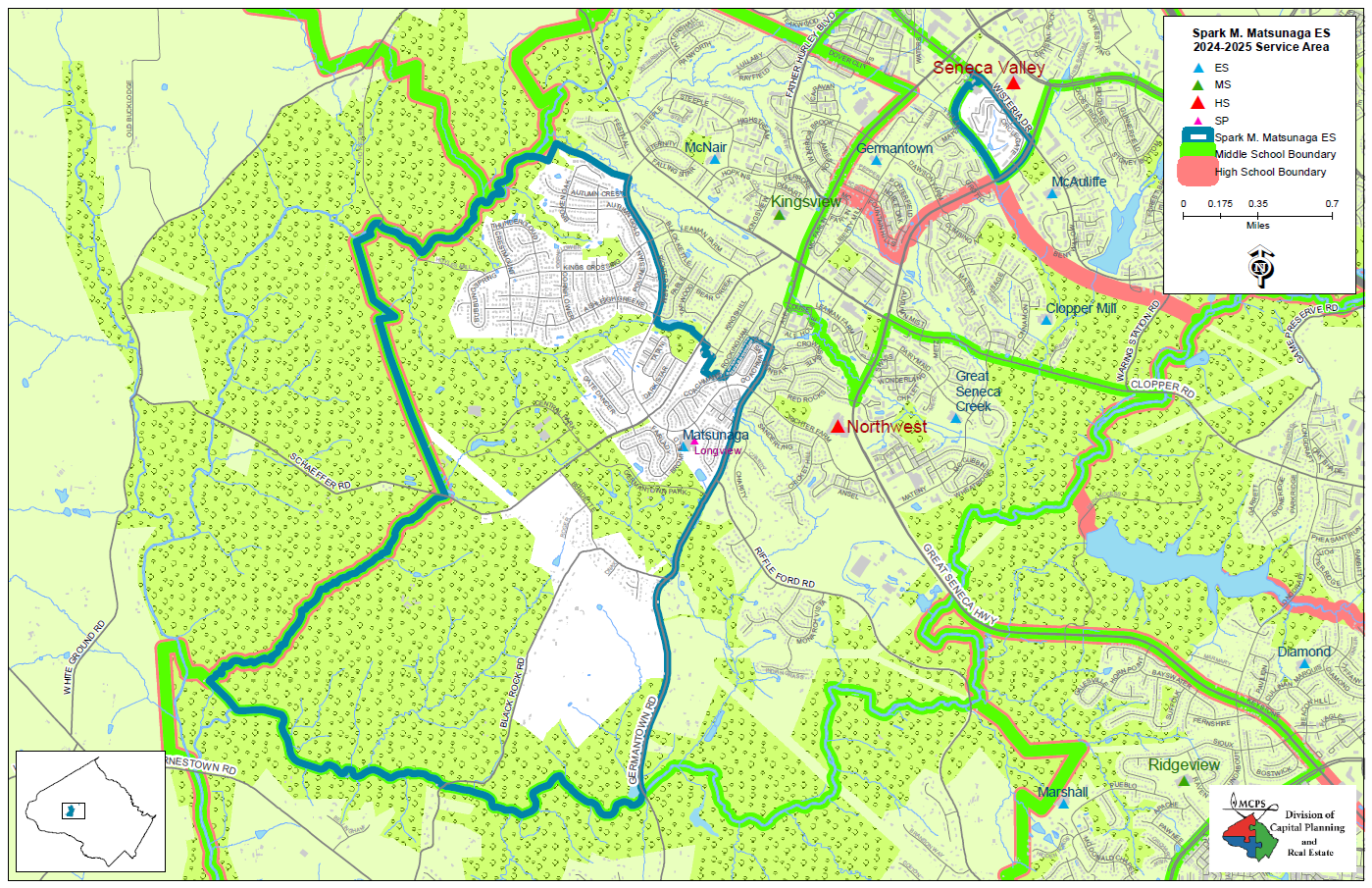
Why Germantown Elementary Schools Face Potential Closure Risks
Montgomery County Public Schools faces a looming surplus of empty seats in Germantown, where Spark M. Matsunaga Elementary...
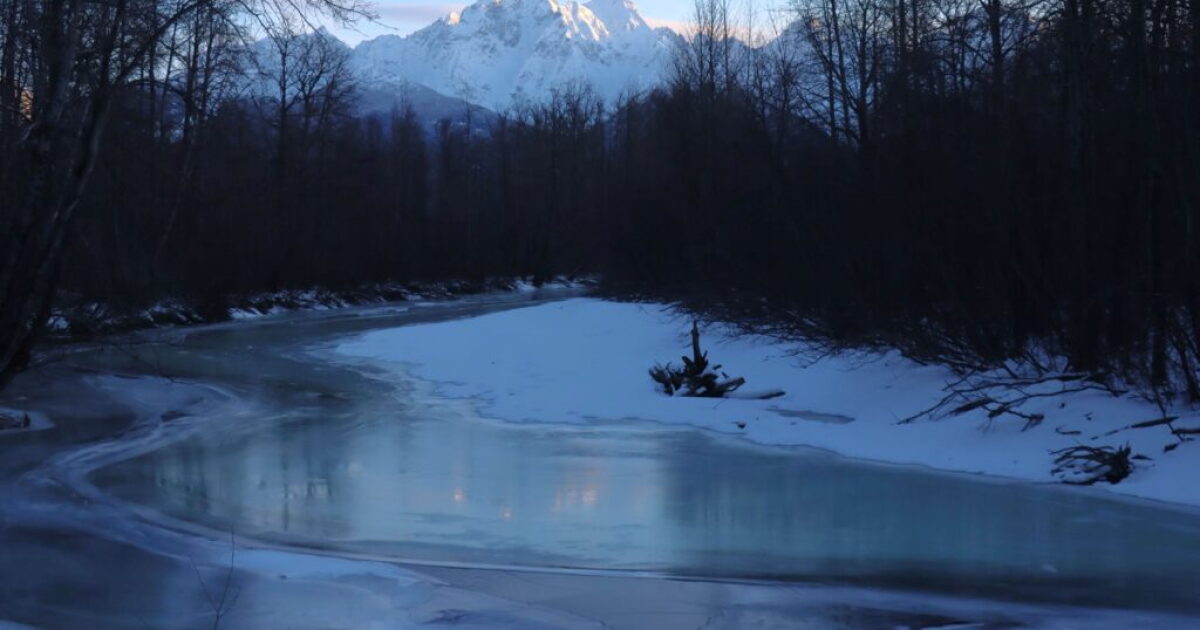
Trump Plan to Lift Alaska Land Withdrawals Opens 28 Million Acres
Twenty-eight million acres of federal land in Alaska could soon open for resource extraction and state or private...

It’s Christmas Season! Let’s Go!”: Cheyenne’s Official Holiday Kickoff Returns Nov. 21
Cheyenne is kicking off its holiday season on November 21 with a restructured downtown celebration designed to dodge...