
Six months after the Democratic Republic of Congo declared its 17th Ebola outbreak, the Bundibugyo virus is still spreading faster than any previous epidemic in the country’s history, Infection Control Today reported.
More than 11,000 cases and 5,400 deaths have been confirmed across eight provinces since May, the World Health Organization told its emergency committee on Monday. Children account for more than a quarter of infections and a third of deaths; seven in ten children under five who contract the virus die.
The toll has already surpassed the 2018–2020 outbreak, previously the country’s largest, and is climbing at twice the pace of the first six months of the 2014–2016 West African crisis.
🤔 Worried about what happens in isolation? Isolation helps prevent the spread of Ebola by safely caring for those who are suspected or confirmed to have the disease. 🔍 The process includes: 🩺 Identification 🚪 Separation 🧪 Assessment & Testing 🏥 Care & Treatment ✅… pic.twitter.com/83WbhsBl1T
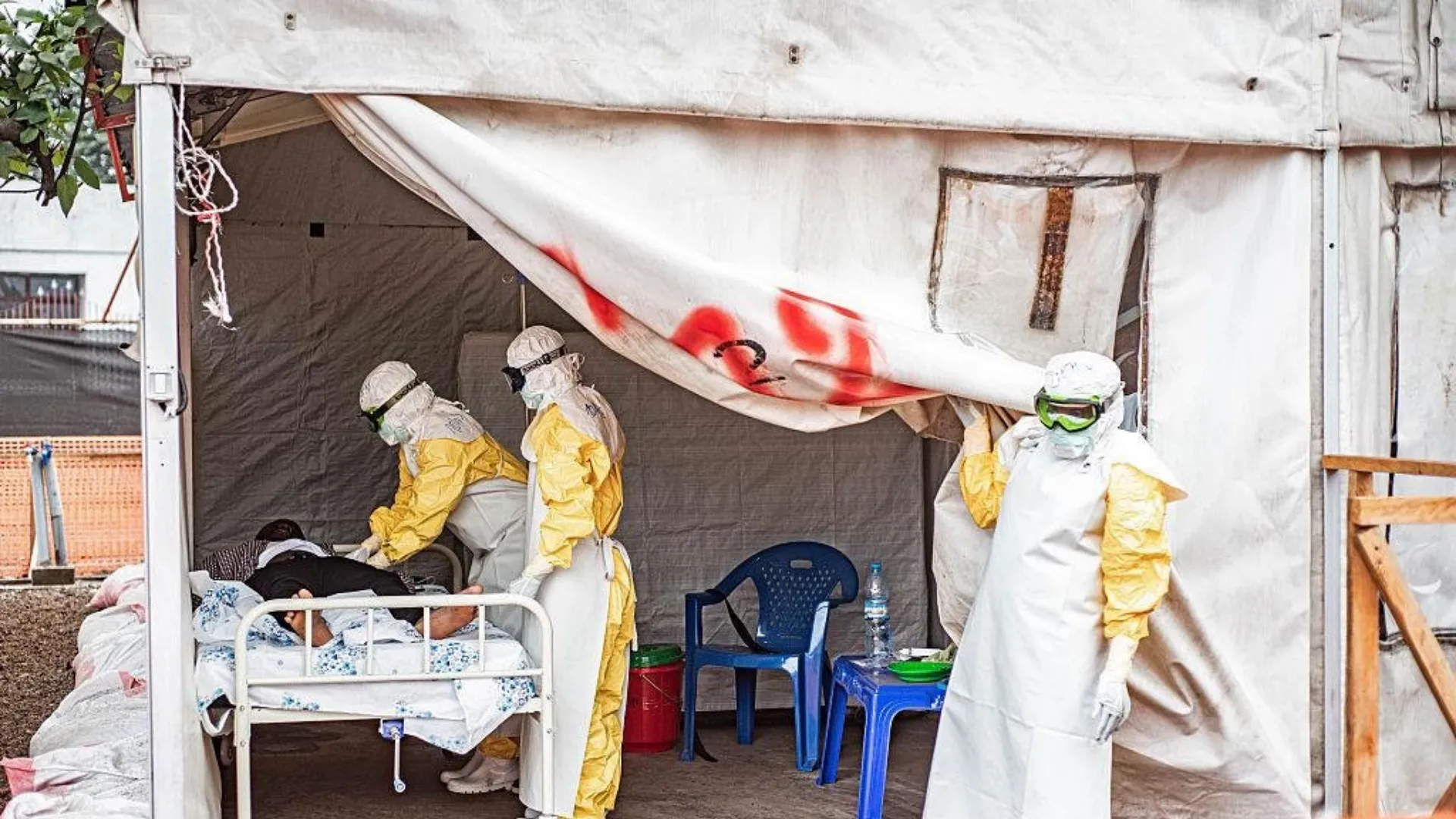
“Two-thirds of confirmed deaths are still occurring outside of Ebola treatment centres, which tells us that infections are being identified too late.”
The outbreak remains “still serious, and still not under control,” Africa CDC Director-General Jean Kaseya said last week.
Attacks on responders break the chain of tracing
Armed groups, particularly the Allied Democratic Forces (ADF), have turned the response into a moving target. In late October, gunmen killed a nurse and seriously injured a second health worker responding to an Ebola alert, Al Jazeera reported.
As of mid-November, insecurity persisted in three health zones in North Kivu, and a local checkpoint remained closed. The November 5 attack in North Kivu alone left more than 1,000 contacts lost to follow-up, according to situation reports cited by Infection Control Today.
Six months into the #Ebola response in the DRC, response operations have expanded significantly. Together with health authorities and partners, @WHO is working to sustain the progress made while intensifying efforts in areas where transmission remains high. pic.twitter.com/GCazbAX3X8
Contact tracing, the backbone of containment, is fraying. On November 16, teams reached just 81.6 percent of registered contacts — well short of the 95 percent target. Tshopo province recorded the lowest rate at 75.3 percent, followed by North Kivu at 77.9 percent.
The daily contact lists swing wildly: in Ituri, the number under follow-up dropped from 14,368 on November 12 to 5,298 two days later, then jumped to 16,222 the next day. Situation reports offer no explanation for the volatility, making any single day’s rate an unreliable measure, Infection Control Today noted.
Unpaid wages and community resistance open new fronts
Not all disruption comes from gunfire. Staff at a treatment center in North Kivu remained on strike over unpaid wages in mid-November. Workers at three Ituri checkpoints and four in Bas-Uélé walked out over unpaid bonuses, shutting down screening points. WHO says the delays create tension and slow the response.
Community engagement, a key public health intervention in the fight against #Ebola. "Together we can defeat this disease." pic.twitter.com/UQ2cfmO3c8
Safe burials are failing at scale. On November 12 alone, Tshopo recorded nine burials that families or communities resisted. Bas-Uélé completed none on November 12 or 13 and reported a complete gap in burial teams by the second day. Haut-Uélé and South Ubangi also reported failed burials.
Rumors feed the resistance: some travelers refuse screening after hearing staff demand money or that hand-washing water contains the virus. In Tshopo, rumors claimed treatment center medicines carried the virus and that vaccination was a business, Infection Control Today reported.
There are slivers of progress. The governor of Tshopo convened partners and community leaders to address resistance, resolving three of four incidents that day. In North Kivu, responders reached a compromise with local groups who had opposed building a treatment center.
Mobility outpaces formal surveillance
The virus moves with people. IOM told journalists in Geneva on November 10 that 71 confirmed cases have been detected along transit routes since the outbreak began — 95 percent on informal routes that bypass official checkpoints.
“Often when people think about response and especially in this context of Ebola, many people tend to think about the hospitals, the treatment centres, the isolation wards and all that,” IOM Regional Ebola Coordinator Andrew Mbala said. “We need to think about the mobility of the population.”
Teams have carried out 55 million screenings in DRC and 11 neighboring countries since May. IOM maps markets, bus stations, places of worship, and mobility corridors to position staff. It also supports surveillance at 57 displacement sites, 50 in affected health zones. But the agency needs $110 million for operations through March 2027 and is nearly $60 million short, UN News reported.
Lab capacity up, but funding and coordination lag
The infrastructure has improved since the early weeks. At the start of the outbreak, two laboratories could test for the virus; today there are more than two dozen. Close to 2,000 treatment beds are available, and about 3,000 people have recovered. Clinical trials of therapeutics have enrolled more than 900 patients, and a vaccine trial using Ervebo — approved for Zaire ebolavirus but not for Bundibugyo — began last month, Tedros told the emergency committee.
Yet the financial architecture is leaking. Approximately $2.9 billion has been pledged, but less than half has been disbursed, Voice of Healthcare Network reported. Africa CDC said international donors have disbursed more than $962 million to implementing organizations, but around $700 million of that sum was unaccounted for as of last month, prompting an investigation.
In 2020, Congo’s former health minister was convicted of embezzling more than $400,000 from the 2018–2020 Ebola response. Kaseya called the coordination gap between the government and donors “a collective failure” and urged the release of $1.6 billion in pledged aid, Foreign Policy reported.
The #Ebola outbreak in #DRC remains a public health emergency of international concern, following the advice from today’s @WHO Emergency Committee meeting. We call for the cooperation of all governments and all partners to scale up the response further, and raise the resources… pic.twitter.com/d8B0AudYy0
The human cost of every interruption
After an attack in November, a local hospital director warned that patients who fled could become a source of transmission. Every day from November 12 to 16, more than 4,000 contacts under follow-up went unseen. Nearly half of everyone confirmed with Ebola has died, and more than half in North Kivu. Most deaths happen in the community, where infections are still being found too late.
More than 17,000 community health workers and 46,000 community members are trained and invested in the response. The virus is not waiting.
More on North Kivu
Africa CDC, the continent's top public health agency today (Sunday) that the Ebola outbreak in DR Congo was still out of control six months after it was declared, citing problems including deadly attacks on health workers, unpaid staff and a lack of resources. Since the…
- EU Diplomats Closing Door to Long-Term UK Talks Until PM Burnham Decides on Brexit, Guardian Reports
- Eczema Tied to 28% Higher Odds of Sleep Disturbance in Children
- 3.6% for Social Security, 2.6% for FERS, and a Bill Still Pending for VA (daybreakwire.com)
- Study: Single Mutation Defeats AN3661 But AN7973 Still Works (archyde.com)

EU Diplomats Closing Door to Long-Term UK Talks Until PM Burnham Decides on Brexit, Guardian Reports
European diplomats are closing the door on long-term talks with Britain until Prime Minister Andy Burnham decides whether...

Eczema Tied to 28% Higher Odds of Sleep Disturbance in Children
Children with eczema face a 28% higher likelihood of diagnosed sleep disturbance, according to a study presented at...
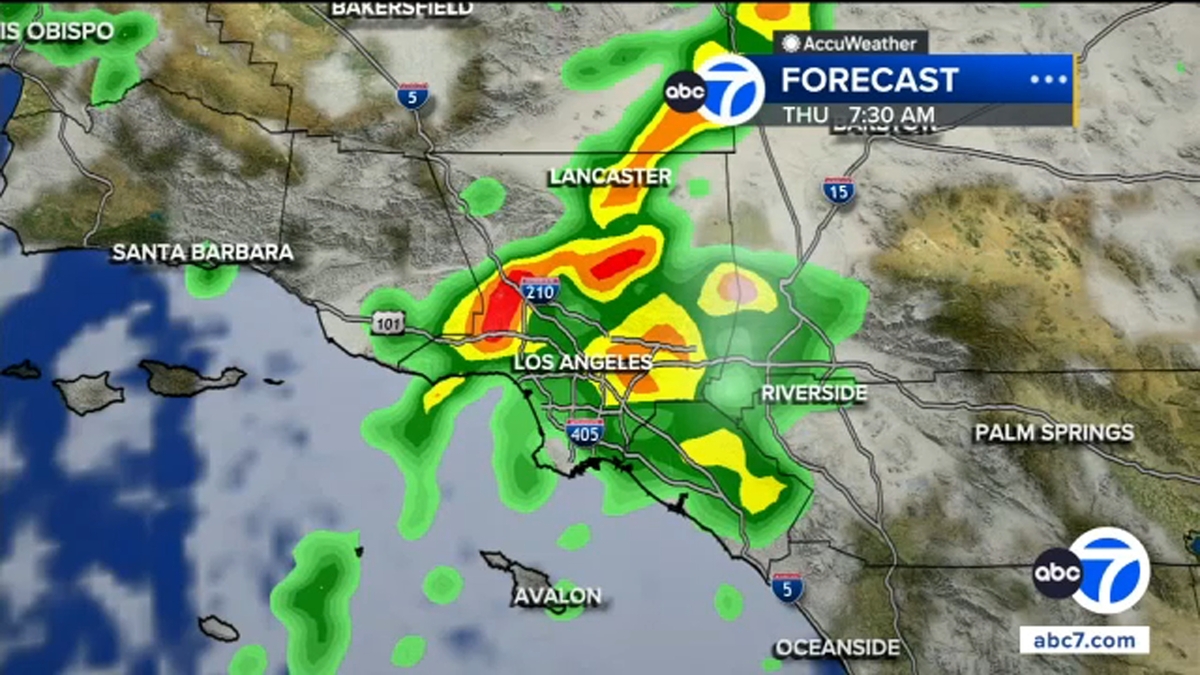
Los Angeles Officials Issue Evacuation Warnings for Burn Scar Neighborhoods Ahead of Atmospheric River
Los Angeles officials have ordered evacuation warnings for neighborhoods below the Palisades, Hurst and Sunset burn scars effective...

Meta-Analysis Links Rituximab to Lower One-Year Mortality vs Cyclophosphamide in ANCA Vasculitis
Researchers in New Zealand and Australia published a systematic review and meta-analysis on Wednesday in Seminars in Arthritis...