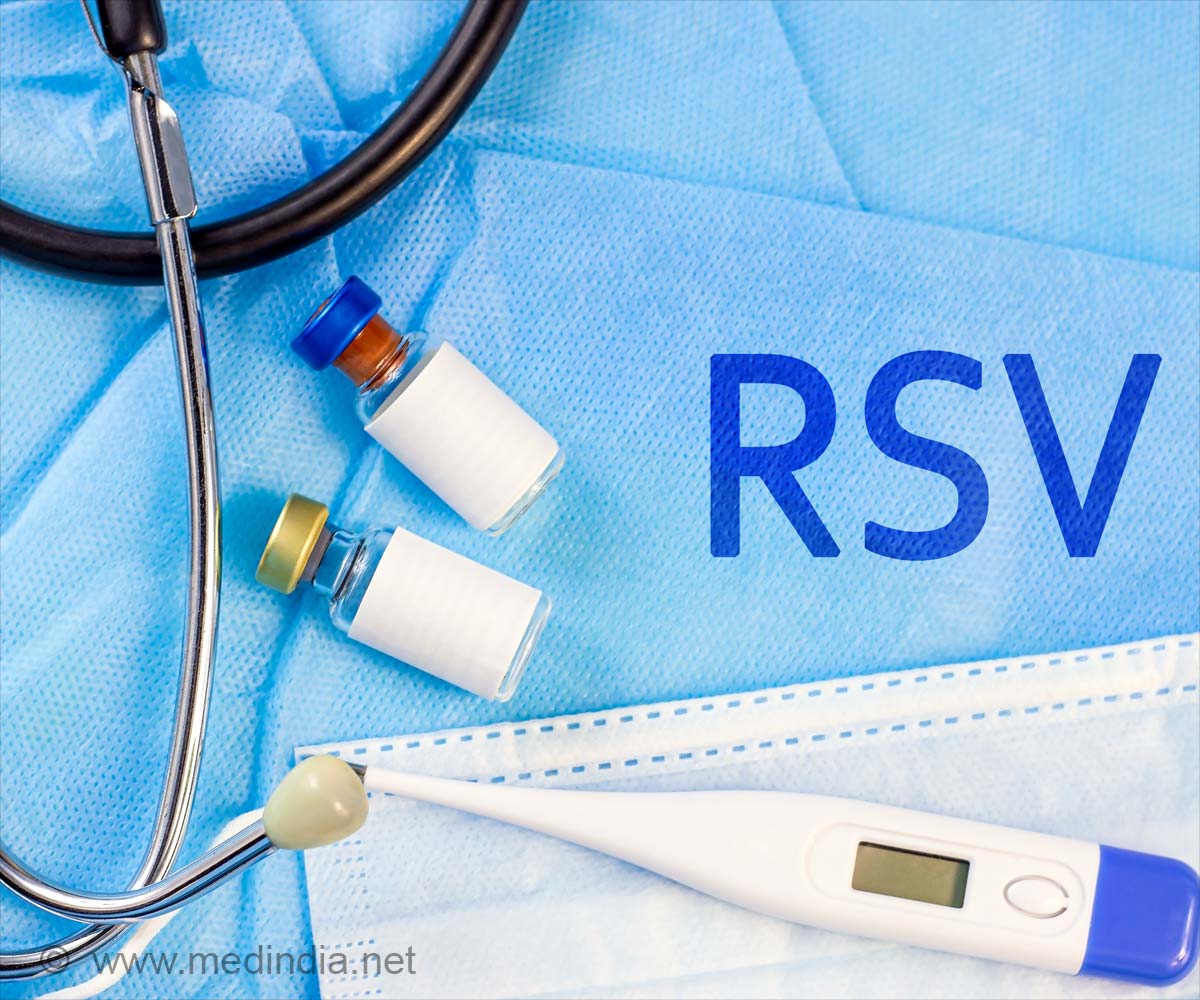
The World Health Organization has prequalified a multi-dose vial of the maternal respiratory syncytial virus vaccine, RSVpreF, sold commercially as Abrysvo. The regulatory decision aims to lower costs and simplify distribution in low- and middle-income nations, where the vast majority of infant RSV deaths occur annually.
The World Health Organization announced the regulatory milestone, approving a multi-dose presentation of the vaccine designed to protect infants against severe respiratory illness and pneumonia. Prequalification serves as the international agency’s official verification that a pharmaceutical product meets established standards for safety, quality, and efficacy. That formal stamp unlocks bulk procurement pathways for United Nations agencies, including UNICEF and the Pan American Health Organization.
This approval builds directly on earlier regulatory steps. The WHO previously prequalified the single-dose presentation of the same vaccine in March 2025. Following that, Gavi, the Vaccine Alliance, established a dedicated funding window in July 2025 to support maternal RSV immunization programs across lower-income nations.
Addressing the Global Pediatric Toll of RSV
Respiratory syncytial virus remains a major driver of pediatric morbidity and mortality worldwide. According to data from public health authorities, the pathogen causes more than 3.6 million hospitalizations and approximately 100,000 deaths among children under five years of age every year. Nearly half of those fatal cases occur in infants younger than six months.
Geographic disparities in survival rates are stark. Roughly 97 percent of all RSV-related pediatric deaths take place in low- and middle-income countries. In those regions, families frequently face restricted access to supportive medical care, and vulnerable infants often succumb to respiratory failure at home before reaching a clinical facility.
How Multi-Dose Packaging Changes Logistics and Costs
The shift from single-dose vials to a multi-dose format offers substantial logistical advantages for resource-limited health systems. Packaging multiple doses into a single vial reduces individual packaging requirements, decreases medical waste, and lowers cold-chain shipping expenses per dose.

The lower-cost presentation was developed with financial and technical backing from the Bill & Melinda Gates Foundation. Global health planners note that the reduction in per-unit delivery costs removes a major barrier for national health ministries attempting to finance large-scale immunization campaigns.
Protecting Newborns Through Maternal Immunization
Maternal vaccination relies on transplacental antibody transfer to shield newborns during their earliest months of life, when their own immune systems remain immature. When an expectant mother receives the injection, her immune system generates neutralizing antibodies against the virus. Those protective proteins cross the placenta into the infant’s bloodstream prior to birth.

To ensure adequate antibody transfer, the WHO recommends administering the RSVpreF vaccine during the third trimester of pregnancy, specifically from gestational week 28 onward. To curb widespread disease, the agency advises national immunization programs to incorporate either the maternal vaccine or the preventive monoclonal antibody nirsevimab into their schedules.
Gavi Prepares for Routine Country Rollout
With the multi-dose vial now prequalified, eligible low-income countries can formally apply for Gavi support to integrate maternal immunization into routine primary healthcare delivery. The Alliance’s board approved the creation of the maternal program during its strategic period running through 2030, conditional upon the availability of a WHO-prequalified multi-dose presentation.
Related reading

NIH Integrates Patient Feedback Into AI Use via Bio Genesis Mission
The National Institutes of Health is opening new avenues for patient and clinician feedback as it scales artificial...
Climate Change Expands Geographic Range of Vector-Borne Illnesses
As global temperatures rise, climate change is expanding the geographic range of vector-borne illnesses, and accelerating the evolution...

Researchers Link HIV Therapy Duration to Gut Microbiome Patterns
Researchers analyzing gut microbiome profiles from 94 men with HIV in the Czech Republic reveal that antiretroviral therapy...

Pediatric Prosthetic Valve Infections Differ From Native Valve Cases
Researchers analyzing pediatric infective endocarditis find that prosthetic valve infections occur at an older age and show lower...