
Annual vaccination remains the primary prevention strategy, but circulating influenza viruses undergo continuous evolution. This results in the need for new vaccines each year and leads to inconsistent vaccine effectiveness across seasons.
The Challenge of Seasonal and Pandemic Influenza
Antigenic drifts involve minor, gradual changes caused by error-prone RNA-dependent RNA polymerase enzymes during genome replication, which can grant pathogens advantages like immune evasion and decreased immunogenicity. In contrast, antigenic shifts are more sudden events involving the reassortment of antigenic genes to produce novel influenza subtypes. These shifts are typically observed only among influenza A viruses because of their broad host distribution and co-occurrence with multiple strains.
Traditional vaccine efficacy typically ranges between 50% and 70%, but often wanes due to mismatches from incorrect strain predictions as well as ongoing antigenic drifts and shifts. Furthermore, spontaneous emergence of novel influenza virus strains can leave human populations with no pre-existing immunity, potentially triggering large outbreaks and pandemics.
Developing Universal Influenza Vaccines and Nanoparticle Platforms
To overcome the limitations of seasonal shots, researchers aim to design universal influenza vaccines that provide broad immunity against a wide range of influenza viruses without requiring yearly reformulation and administration. Vaccine development requires a deep understanding of viral pathogenesis and host immune responses. Influenza A and B viruses possess eight RNA gene segments, while genera C and D possess only seven. Key viral components include surface glycoproteins such as hemagglutinin (HA) and neuraminidase (NA), alongside other structural and non-structural proteins like M2 and NS1.
Investigators at the Vaccine Research Center (VRC), part of the National Institute of Allergy and Infectious Diseases (NIAID) Intramural Research Program (IRP) and led by Masaru Kanekiyo, designed a series of proof-of-concept nanoparticle-based universal influenza vaccine candidates. These investigational vaccines display portions of influenza viruses on the exterior of a nanoparticle. Several clinical trials evaluating a ferritin nanoparticle-based influenza vaccine candidate have demonstrated that the platform is safe and stimulates immune responses against multiple influenza subtypes, including strains whose constituents are not explicitly included in the vaccine. The VRC has also assessed an investigational mosaic nanoparticle vaccine aimed at providing consistent protection across multiple seasons.
Messenger RNA Technology and Preclinical Testing Strategies
Alternative strategies utilizing messenger RNA technology have also advanced preclinical research. An NIH-funded research team led by Dr. Scott Hensley at the University of Pennsylvania designed a vaccine incorporating a virus protein from all 20 distinct influenza types, a feat difficult to achieve through traditional manufacturing methods. The researchers formulated this vaccine using mRNAs encoding the hemagglutinin protein from all 20 influenza types, packaged inside protective fatty nanoparticles.

Potential Public Health Impact and Future Outlook
Next-generation nanoparticle-based and mRNA-based influenza vaccines hold the potential to deliver broader protection against a diverse array of influenza viruses than traditional seasonal formulations.
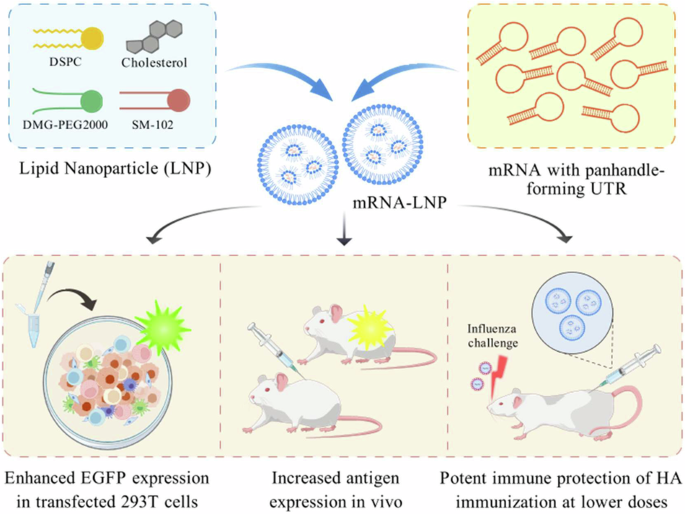
Despite promising preclinical results in mice and ferrets—showing protection against death from influenza strains not explicitly included in the vaccine—these universal vaccine candidates have not yet been extensively tested in humans. Continued development is required before these technologies can transition into routine clinical use for both seasonal and pandemic prevention.
Worth a look

Marking World Mental Health Day 2026, the Irish government announced an €11 million funding package
Marking World Mental Health Day 2026, the Irish government announced an €11 million funding package to expand youth...

CU Anschutz Study: Horseback Riding Cuts Hyperactivity in Autistic Youth
Therapeutic horseback riding cuts hyperactivity in children with autism and co-occurring psychiatric conditions, according to new research published...

Routine Blood Tests May Predict Long-Term Dementia Risk
Routine blood screening tests and advanced genetic markers are offering doctors new ways to estimate long-term dementia risks...
JNU Scientists Target Human Protein to Weaken Malaria and Kala-Azar
Researchers at Jawaharlal Nehru University have targeted the human protein p38-MAPK to weaken both malaria and kala-azar parasites...