The Bottom Line:
- China’s Cross-Border Interbank Payment System reached 1,829 participants as of June, connecting to over 5,200 banks across 191 countries, though this remains a fraction of U.S.-dominated settlement volumes.
- Foreign investors held a mere 1.6% of the Chinese domestic bond market in March, compared to 27% in the U.S. bond market, constrained by rigid capital controls.
- Chinese banks more than doubled their yuan-denominated lending to overseas borrowers between 2023 and mid-2026, while the People’s Bank of China secured currency swap agreements with 32 foreign central banks and monetary authorities.
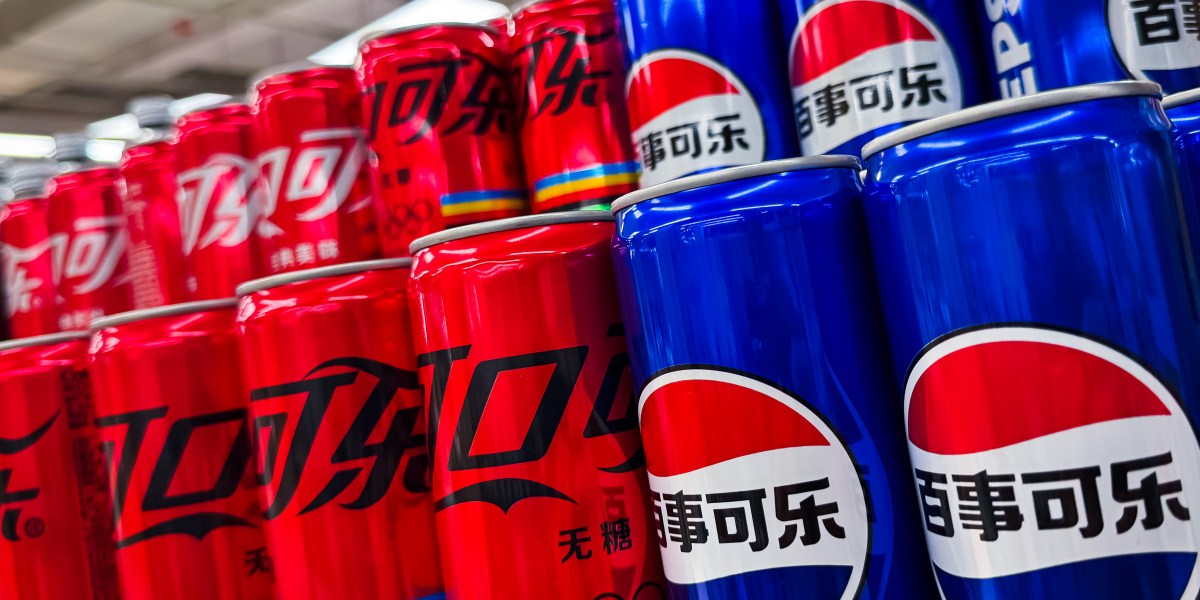
The Pepsi to the Dollar’s Coca-Cola Strategy
Writing in Foreign Affairs this month, Liu explained that a true replacement of the U.S. dollar would demand open capital markets—a move that would threaten the Communist Party’s control over who gets capital and how. For many elites, offshore dollar holdings serve as a type of insurance against domestic political persecution.
Instead of seeking absolute currency supremacy, Beijing is promoting the yuan abroad to prevent the U.S. from weaponizing the financial system against it, mirroring how Russia was shut out after it invaded Ukraine in 2022.
This positioning stands in contrast to the historical architecture of American currency power. The dollar became the official reserve currency in 1944, under the Bretton Woods agreement. In 1971, then-Treasury Secretary John Connally reminded worried European finance ministers that the dollar was “our currency, but your problem.” Over the last half century, U.S. currency power has only expanded.
Building the Infrastructure for Alternate Settlement
Financing mechanisms are scaling up, backed by currency swap agreements with 32 foreign central banks and monetary authorities.
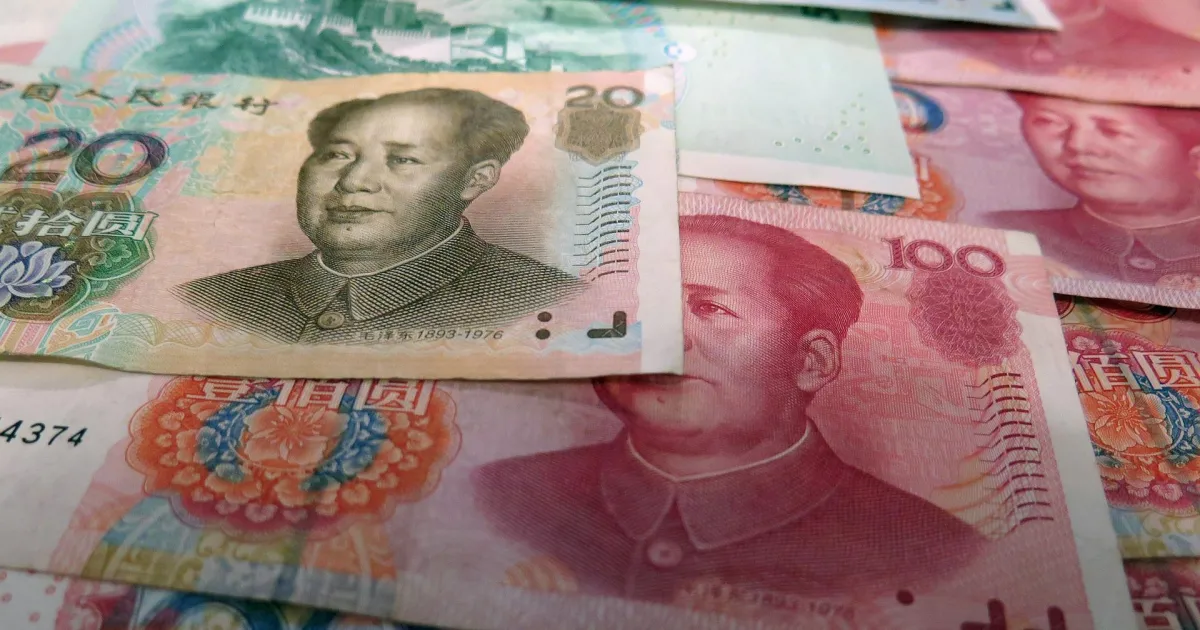
Despite these steps, reinvestment remains the weakest link in the chain. A strong yuan ecosystem requires recipients to hold and reinvest their balances rather than convert them. Beijing has expanded overseas access to domestic stocks and bonds, but unpredictable capital controls remain a worry. Foreign holdings of Chinese bonds sat at just 1.6% in March, compared to 27% in the U.S. bond market.
The Rise of the Green Yuan and Petroyuan Pressures
To bypass traditional reinvestment hurdles, Beijing is attempting to anchor the renminbi to physical trade in essential goods where China controls the supply chain, specifically critical minerals, clean energy equipment, and electrical infrastructure. By consolidating dominance over that industrial ecosystem, Beijing could gain enough leverage to price those exports in renminbi, creating the foundation for a “green yuan” that might eventually replace the petrodollar.
That petrodollar foundation—established via a 1974 agreement where Saudi Arabia agreed to price its oil in dollars and invest surpluses in U.S. assets in exchange for security guarantees—is facing fresh scrutiny. Following persistent attacks and vulnerabilities exposed during recent military engagements, Deutsche Bank warned in March that damage to Gulf economies could encourage an unwind in their foreign asset savings. Market participants are closely watching reports that commercial ship passage through the Strait of Hormuz may be granted in exchange for oil payments in yuan, marking a potential turning point for petrodollar dominance.
Disclaimer: The information provided in this article is for educational and market analysis purposes only and does not constitute financial, investment, or legal advice. Always consult with a certified financial professional before making investment decisions.
Worth a look
Minnesota Gophers Fall to Indiana in Overtime Heartbreaker
The Minnesota Gophers missed an opportunity to upset fourth-ranked Indiana in Bloomington, falling 23-16 in overtime after a...

Jeffery Simmons Arrival Fails to Fix Chicago Bears Secondary Flaws
The Chicago Bears are sitting at 5-2, and general manager Ryan Poles has just acquired Jeffery Simmons to...

Adrian Martinez Arrested After Threatening Deputies in Idaho Falls
Adrian Martinez Arrested After Basement Standoff in Idaho Falls An early morning call to an Idaho Falls home...

Minot State defeats Hawaii Pacific 71-70 in tournament semifinal
The Minot State men's basketball team erased an 11-point halftime deficit to defeat Hawaii Pacific 71-70 at McCabe...