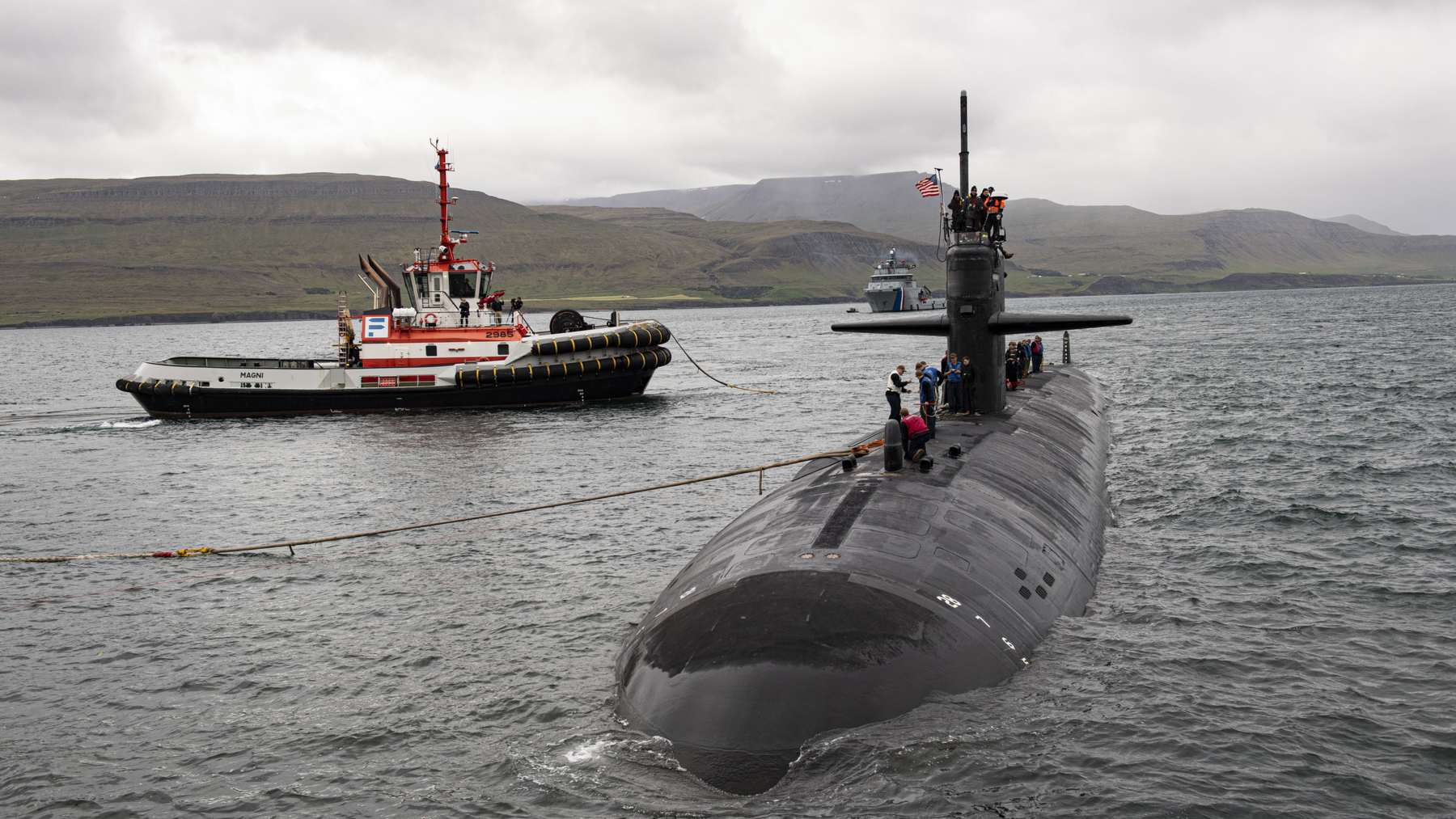
The 34-Year-Old Nuclear Submarine That Spent Nine Years Without Permission to Dive
When the U.S. Navy quietly pulled the plug on the USS Boise, it did not just retire another aging hull. It officially abandoned a floating monument to shipyard gridlock. As autonocion.com reported, the 34-year-old Los Angeles-class nuclear attack submarine was supposed to undergo a routine midlife overhaul in fiscal 2016. Instead, she spent the next decade waiting in line, losing her dive certification in 2017, and racking up bills that ultimately convinced leadership the juice simply wasn’t worth the squeeze.
Chief of Naval Operations Adm. Daryl Caudle called it a “tough but necessary decision” when the service announced on April 10 that the 6,900-ton attack boat would be inactivated rather than finished. The money and manpower tied to the stalled project are being redirected to newer Virginia- and Columbia-class vessels. For a submarine that fired some of the opening Tomahawk missiles of the 2003 invasion of Iraq, it is a remarkably quiet end to a career spent mostly sitting still.
Three Tows, Two Valuations, and a Bill That Kept Climbing
The path to inactivation was paved with logistical delays and astronomical estimates. After returning from her final deployment in January 2015, the 360-foot submarine found herself stuck at the back of a crowded queue. In the Navy’s public shipyards, ballistic missile boats take priority, followed by aircraft carriers, leaving attack submarines at the tail end of the line.
Without the scheduled maintenance, the Boise lost her dive certification in 2017. That meant the Navy owned a nuclear attack boat that was legally and technically barred from going underwater for nine years. To break the logjam, the service tried a series of workarounds. She was towed to HII’s Newport News Shipbuilding in Virginia in 2018, shifted back to Naval Station Norfolk in 2019 due to shifting funding priorities, and towed back to Newport News in 2020. She finally entered a dry dock in 2021, and the Pentagon awarded a roughly $1.2 billion contract for the overhaul in February 2024.
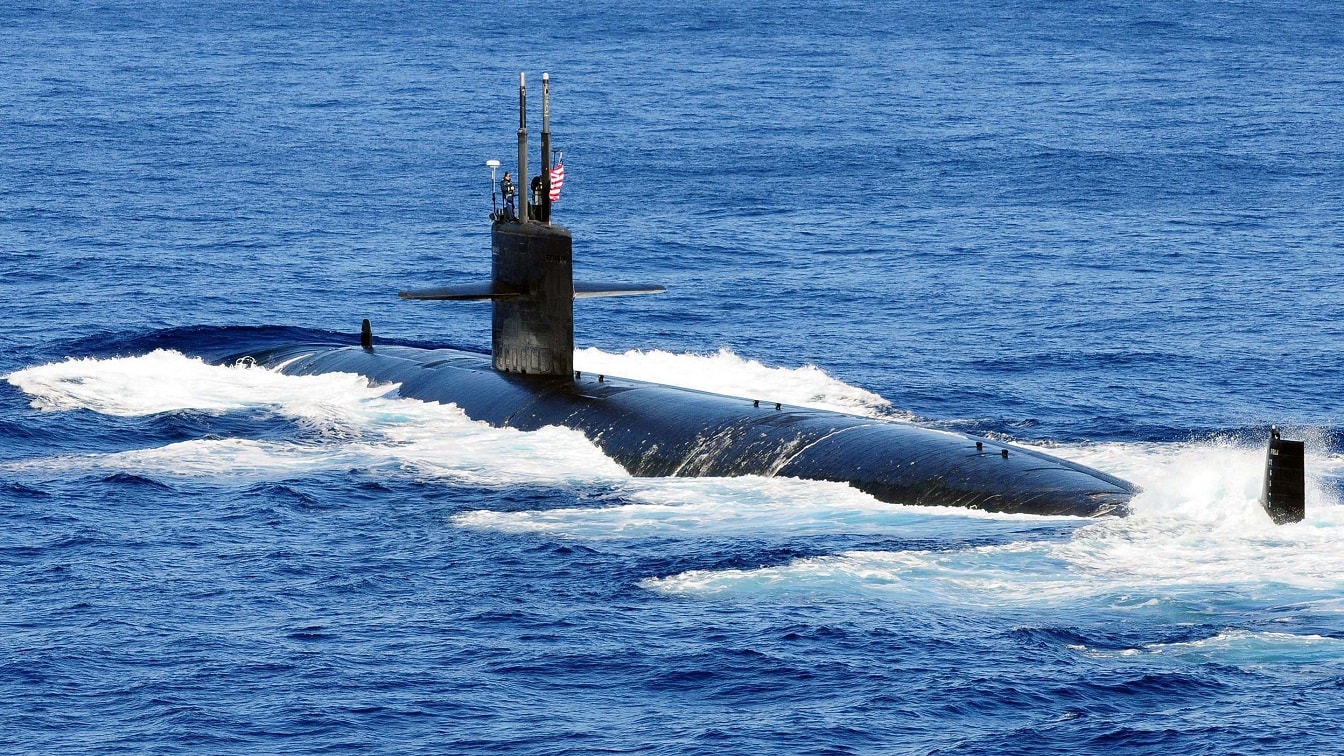
Yet the financial accounting remains tangled. USNI News tallied the Pentagon’s total contract announcements at about $1.6 billion. Meanwhile, Navy Secretary John Phelan offered a starkly different figure to Semafor, stating that the overhaul had cost roughly $800 million with only 22 percent of the scheduled work completed. Phelan estimated that finishing the job would have demanded an additional $1.9 billion.
That math sealed the submarine’s fate. Phelan noted to Fox News that finishing the overhaul would have consumed 65 percent of the cost of a brand-new Virginia-class submarine while returning merely 20 percent of a new boat’s service life. Put plainly by Phelan in his blunt assessment to Semafor: “We screwed up.”
Weighing the Yard Force Against Fleet Readiness
Why not just finish the job anyway? The Navy’s answer comes down to a severe shortage of skilled shipyard labor. Adm. Caudle argued that every worker freed from the Boise can immediately pivot to building new submarines or rushing active hulls back out to sea.

Not everyone agreed that the personnel transfer would be seamless. Bryan Clark, a naval analyst at the Hudson Institute, told USNI News that submarine repair crews and construction workers possess distinct skill sets, meaning repairmen cannot simply walk across the yard to start welding a Virginia-class hull.
The broader fleet desperately needs the bandwidth. Attack submarine readiness sat at 62 percent when officials briefed Congress in March, sliding downward from 67 percent the previous year, according to Inside Defense. The Navy’s stated target is 80 percent readiness. With more than a third of the attack submarine force sitting idle or sidelined, nursing a three-decade-old hull through a multi-billion-dollar resurrection became an untenable luxury.
The Long Shadow of the 688 Class
The Boise is hardly an isolated anomaly, but rather part of a massive demographic wave washing over the submarine force. Between 1976 and 1996, the Navy commissioned 62 Los Angeles-class hunter-killers. Built across three distinct flights—from the initial Flight I boats with their midships-positioned torpedo tubes to the Flight III (688i Improved) versions featuring bow-mounted dive planes and reinforced sails designed to operate beneath Arctic ice—these vessels formed the backbone of Cold War anti-submarine warfare.
As the sources noted, the Los Angeles-class earned its reputation by tracking Soviet ballistic missile submarines and expanding into land-attack roles. Yet time waits for no hull. When the Navy pulled the plug on the Boise, only 23 of those original 62 boats remained in active service.
Inactivation is not identical to scrapping, but it is the definitive first step. It requires permanently removing the nuclear reactor fuel and stripping the ship of operational status. Historically, retired Los Angeles-class boats make their final journey to Puget Sound Naval Shipyard in Bremerton, Washington, for dismantling. Whether the Boise will make that cross-country trip, and exactly when her formal defueling will begin, remains unstated by the Navy.
For now, she remains tied down at Newport News in dry dock—a stark reminder of how shipyard bottlenecks can sideline even the most storied warships long before their steel truly wears out.
Worth a look

Trenton Ironhawks Return to Cure Insurance Arena With 4-1 Victory
Ice hockey returned to Trenton on October 24, drawing a near sellout crowd of 7,000 fans to CURE...
Level99 Transforms West Hartford Venue with Immersive Global Murals Ahead of Fall Opening
When Level99 swings open its doors at The Corbin Collection in West Hartford later this fall, visitors stepping...

Colorado Has Collected Billions in Cannabis Taxes Since 2014
Since legal sales began in 2014, observers have tracked the impact of cannabis legalization as tax numbers and...

Carlos Jaramillo Documents South Central Los Angeles in New Series
Carlos Jaramillo spent a year in 2020 searching for an ice cream vendor in South Central Los Angeles....