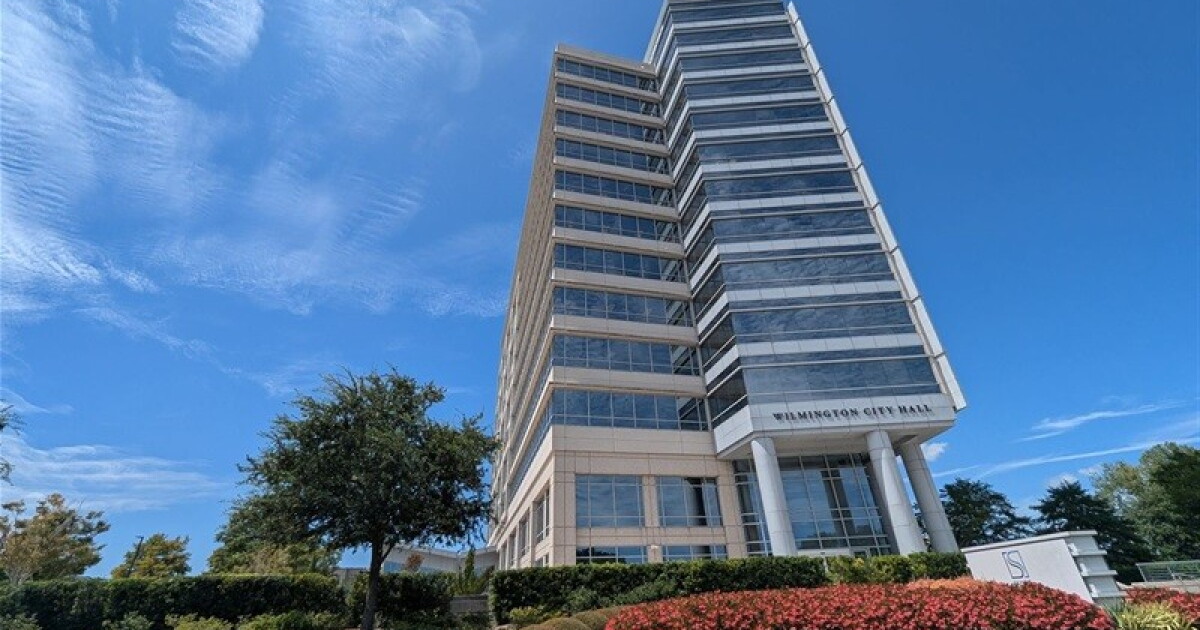
A Split Vote Returns Day-Use Shelters to Wilmington’s Zoning Code
Wilmington’s City Council voted 4-2 to bring day-use facilities back into the city’s zoning code, a decision that sets the stage for new service locations but also leaves deep questions about their operation and oversight. The move, which Mayor Pro-Tem Kevin Spears and Councilwoman Chakema Clinton-Quintana opposed, re-establishes a category of permitted use that was eliminated during a broader update to the city’s Land Development Code.
This isn’t a green light for a specific shelter. The ordinance change, approved Tuesday evening, means any future day-use facility would have to go through a rigorous conditional zoning approval process. That means two separate public hearings, one before the Planning Commission and another before the full City Council. The council’s action comes amid a push from Living Hope Day Center, whose leader, Tony Perez, is actively seeking a new site after a recent proposal faced fierce community opposition.
The conversation was freighted with the weight of that recent fight. Perez, whose organization was seeking to build at the former Sorrow Drowner location at South 10th and Dock streets, addressed the council directly. “It’s quite obvious that we’re here because of the actions that I have, in my organization, taken recently, to try and acquire property,” he told the council members. “And rest assured, I understand that you guys got a lot of heat from a lot of folks, and I hope you can recognize that so did I.”

That opposition, spearheaded by residents of the South 10th Street neighborhood, had forced Perez to back away from the Sorrow Drowner plan. The core of their concern wasn’t just the location, but the potential for the facility to become a magnet for disorder, a fear that often centers on unhoused individuals and those struggling with addiction or mental health crises. The new ordinance, however, attempts to create a buffer against such issues.
A Conditional Path Forward
The key to understanding the council’s vote lies in the word “conditional.” Unlike a simple zoning change, this route ensures that every single proposal for a day-use facility will be subject to intense scrutiny. As Council Member J.C. Lyle explained, this isn’t a rubber-stamp process.
The thing about conditional rezoning, is this isn’t a one-shot deal. This opens it up to every project that comes through, every proposal that comes through. We get to look at it and wrestle with it and work with the applicant. So this isn’t a one-and-done.
Council Member J.C. Lyle
This approach gives the council significant power to impose specific requirements on any future facility. It’s a response to the very questions that Clinton-Quintana and Spears raised during the debate. They both felt the item was rushed and had pushed for more time to consider critical details, particularly the required ratio of staff to clients. It’s a practical concern: a facility without enough staff can easily become overwhelmed, leading to the public safety issues that so many neighborhoods fear.
One of the most contentious points during the discussion was a provision that would have held organizations responsible for the actions of their clients. Perez successfully persuaded the council to reject this idea. He drew a powerful parallel to other businesses, asking, “When did we decide that an organization is responsible for the free will decisions of individuals who happens to frequent that place?” He continued, “Who’s to decide that I’m responsible because somebody’s having a mental health crisis?” It’s a familiar argument in the service industry, bar and restaurant owners are not held liable for the actions of intoxicated customers. The council agreed, ensuring that liability for individual behavior would remain with the individual, not the facility operator.

Ordinance Goes to Second Council Vote
The amended ordinance now faces a second reading at the next Wilmington City Council meeting. If it passes again on that vote, it will take effect immediately, clearing the way for Tony Perez or any other organization to formally propose a new location for a day-use facility. That proposal would then trigger the conditional zoning process, kicking off the public hearings and deliberations that will determine its fate.
For a city still grappling with its unhoused population and the complex needs of its most vulnerable residents, the council’s decision is more than a technical amendment to city code. It is a reopening of a conversation about where and how to provide services, a conversation that has proven both difficult and necessary. The map of zoning districts that would now allow these facilities shows the potential for new locations, but the real test will be whether a site can be found that balances compassion for those in need with the peace of mind for the community that surrounds it.

New Indiana Marker Recognizes Slipher Brothers for Research
Frankfort, Indiana, now officially honors two of its own who helped us see the universe. A new Indiana...

Wichita Wind Surge Hires Assistant for Field Operations
Wichita Wind Surge Seek Assistant to Keep the Diamond in Perfect Condition The Wichita Wind Surge are looking...

LIV Golf shifts from restructuring to liquidation after failed deal
The Death of LIV Golf Was a Foregone Conclusion The plan for LIV 2.0 is dead. The loud,...

Obituary: Donald and Beverly Reed of Tower and Duluth, Minnesota
Minnesota has lost Don and Beverly Reed. The 64-year love story of Donald William Reed and Beverly Ann...