
In a column for Lost Magazine, a writer argues that New York’s appeal lies in its energy and the unapologetic directness of its residents rather than its aesthetics.
The author describes initial impressions of a city that appeared dirtier than London, with mice scurrying along pavements and rats darting between bins at night, making late-night walks to the subway unsettling due to a fear of rodents.
Despite the visual drawbacks, the writer contends the city became iconic because of “how it felt,” citing “something electric in the air” that explains the volume of songs and affection directed toward it. The city, the author writes, “convinces you” that everyone is chasing something bigger than themselves, whether that is objectively true or not.
The piece characterizes New Yorkers as expressive, loud, and passionate, prone to arguing openly and even physical confrontation outside a club. The writer adopted a British accent and a permanent smile to apologize whenever necessary, contrasting that reserve with locals who hide behind neither politeness nor passive aggression.
“If they had something to say, they said it,” the author says, adding that the honesty extended to kindness, with strangers chatting while waiting for bagels and piling on recommendations.
The column concludes with an anecdote from the return flight, where the writer talked for almost the entire journey with two Americans before a passenger “passive aggressively (rightfully so)” reminded them it was three in the morning and people were trying to sleep — a moment the author frames as a “lovely ode” to the contrast between American openness and British restraint.
Related reading

No. 16 Kentucky Falls to Missouri 28-14, Drops Third Straight After 7-1 Start
No. 16 Kentucky fell to Missouri 28-14 on Saturday night in Columbia, dropping its third straight game after...

Cathedral Catholic Defeats Carlsbad for CIF Open Title; Doyle Ties Section Record
Cathedral Catholic defeated Carlsbad 31-15 Saturday night at Southwestern College to claim the CIF San Diego Section Open...
New 16-Story Apartment Tower Proposed for Bridgeport’s Steelpointe Harbor Waterfront Redevelopment
A developer is planning a 16-story apartment tower as the next phase of Bridgeport's Steelpointe Harbor waterfront redevelopment,...
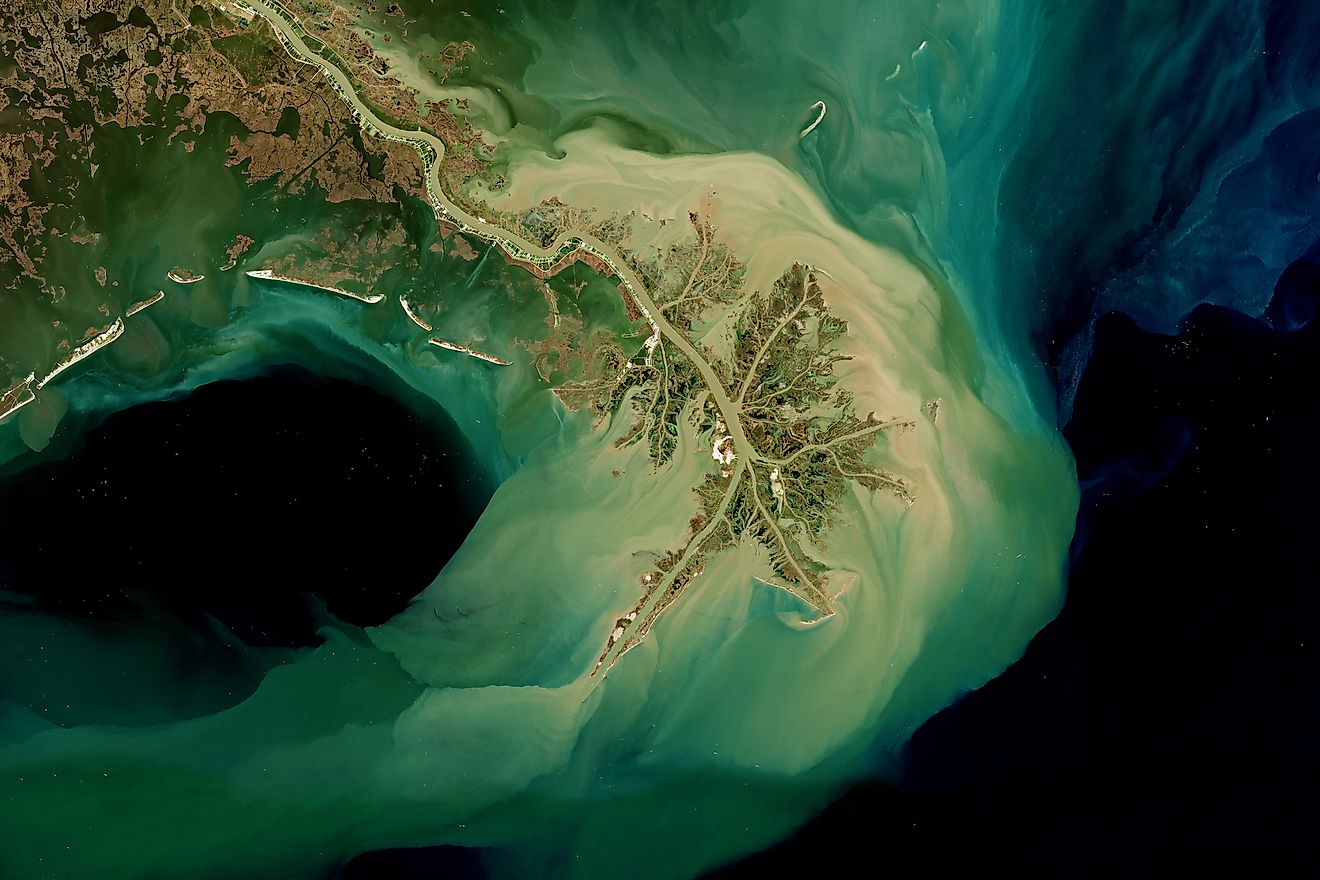
Mississippi River Delta Wetlands, Sediment Flow, and Flood Control History
The Mississippi River Delta meets the Gulf of Mexico near Venice, Louisiana, where freshwater and saltwater marshes span...