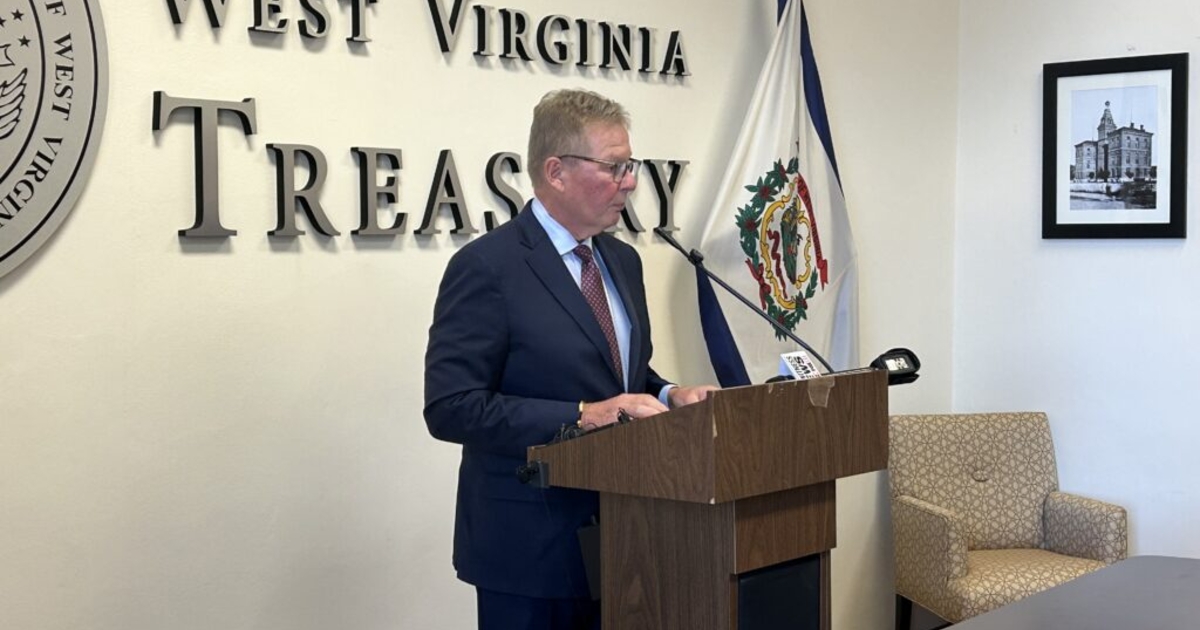
West Virginia Treasurer Larry Pack Defends Hope Scholarship Amid 3.5% Public School Enrollment Drop
When you weigh $160 million for the Hope Scholarship against the $2.4 billion spent on public schools, the state is still investing heavily in public education, according to West Virginia State Treasurer Larry Pack. State officials and local superintendents are clashing over the root causes behind a newly announced 3.5% decline in student enrollment across public schools.
While county superintendents point an accusing finger at the voucher program, Treasurer Larry Pack argues that demographic reality—not educational choice—is the primary driver behind empty desks in West Virginia classrooms.
Demographic Pressures and Decades-Long Declines
According to reports from West Virginia Watch, the drop in public school enrollment is part of a much larger generational shift. Declining birthrates, an aging population, and residents leaving the state have steadily reduced the pipeline of children entering public education for decades.
“Every school I went to is closed, so it’s not a new thing,” Pack stated, tracing the trend back to the 1960s. Despite the state department of education announcing the 3.5% dip last week, the Treasurer’s Office lacks definitive tracking data to prove exactly how many students transitioned directly from public classrooms into the alternative program.

When families apply for the Hope Scholarship—which provides $5,400 per student in taxpayer funds for private schooling or homeschooling—the application does not ask whether the child previously attended a public school. “We’re not supposed to ask that question,” Pack noted, though he suggested adding it as an optional check-box in the future to improve tracking and work more closely with local school districts.
Weighing the Numbers Behind 15,000 Participating Students
The debate intensified following the release of the latest performance report for the 2025–26 school year, which showed nearly 15,000 students participating in the Hope Scholarship program. Based on those figures, Pack’s office estimates that a couple thousand students may have left public schools to utilize the funding.
However, state data reveals that overall private school enrollment and homeschooling numbers have remained remarkably steady over the last five years. Because the alternative pathways are not seeing sudden surges, Pack maintains that the scholarship is merely a financial vehicle for parents rather than the catalyst behind public school flight.
When you’re struggling, you point out other things that you think might be exacerbating the problem. So I don’t take it personal. I think they’re struggling, so they’re just pointing here, pointing there, trying to figure out how to get out of this mess.
Public school advocates, searching for answers amid tight budgets and falling attendance, have zeroed in on the voucher initiative as a primary culprit. Pack dismisses this as misdirected frustration, emphasizing the stark difference in financial scale between the two systems.
Future Legislative Focus on Public School Finances
Pack is quick to clarify that supporting educational choice does not make him an opponent of the traditional system. “If you’re an elected official in public service in West Virginia, I think it’s mandatory that you’re pro public school,” he said.
With the Hope Scholarship program now firmly established across the state, Pack wants lawmakers to shift their attention away from political turf wars and toward the underlying financial pressures facing public classrooms. State officials and local leaders will likely spend the next couple of years debating targeted solutions to stabilize public school funding.
Related reading
Idyllwild Is the Charming California Mountain Town With a Dog Mayor
Nestled 5,400 feet above sea level in the San Jacinto Mountains, the Southern California community of Idyllwild operates...

Arkansas vs. Memphis exhibition to stream on SECN+ and Fubo
The preseason exhibition matchup between No. 13 Arkansas and Memphis is not televised, but fans can watch the...
Three Luxury Residential Developments Underway in Phoenix Area
Three luxury residential developments underway across the Phoenix metropolitan area range from $5.95 million to roughly $15 million,...
Rural Alaska voting sites failed to open, state officials confirm
Remote Voting Sites Fail to Open Across Rural Alaska as Midterm Balloting Begins More than a week after...