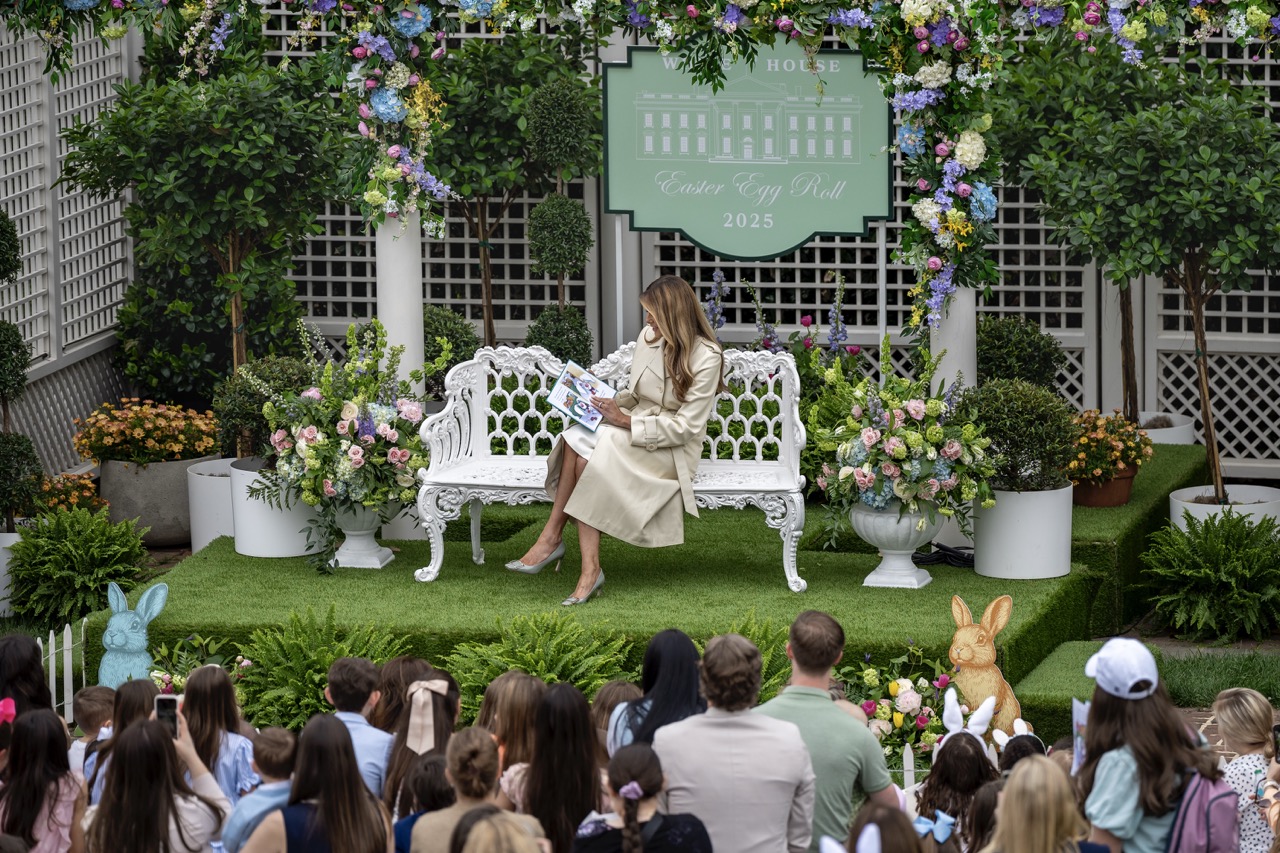
The visit marks Xi’s first trip to the United States in over a decade amid an expiring bilateral trade agreement. Meanwhile, preparations are underway for other White House traditions, such as the Easter Egg Roll officially dating back to 1878 and the presidency of Rutherford B. Hayes, though first-hand accounts suggest that informal festivities began with egg-rolling parties under President Abraham Lincoln.
Washington Rolls Out an Unprecedented Welcome for Xi Jinping
Chinese leader Xi Jinping arrived in Washington this week for a visit encompassing AI, trade, and Taiwan. President Donald Trump scheduled a personal greeting for Xi at Andrews Air Force Base on Wednesday, followed by a White House welcoming ceremony featuring a military flyover and nearly 500 military personnel.
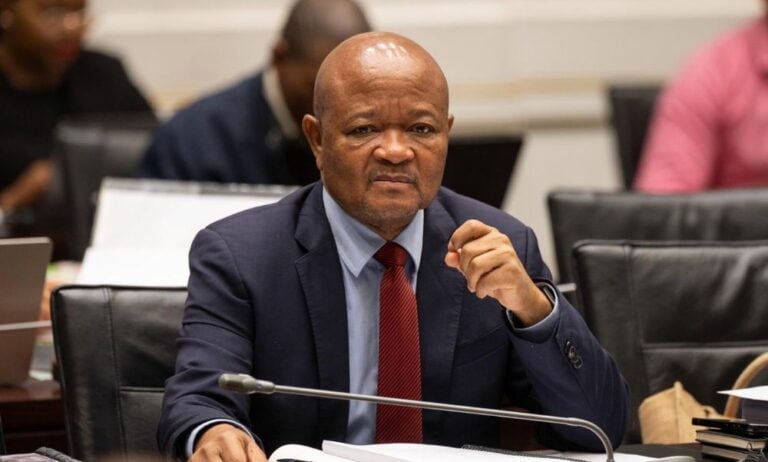
David Sacks, a fellow for Asia studies at the Council on Foreign Relations, characterized the planned extravagant welcome by Trump as really unprecedented.
“From meeting Xi Jinping at Andrews Air Force Base to having a flyover for Xi as well, this is not something afforded to any US ally, much less an adversary like China.”
Photo: bbc.co.uk
David Sacks, fellow for Asia studies at the Council on Foreign Relations, via Bbc
The trip marks Xi’s first visit to the United States in over a decade and his third meeting with Trump since Trump began his second term in office. Alongside lavish dinners, private tours, and performances, the schedule carries significant diplomatic and economic weight. Historically, White House traditions like the Easter Egg Roll have also evolved over time; starting in the 1870s, Easter Monday celebrations on the U.S. Capitol’s west grounds grew so popular that President Ulysses S. Grant signed a bill that banned the rolling of eggs on Capitol grounds, citing landscape concerns. In 1878, a group of bold children walked up to the White House gate, hoping to be allowed to play egg-rolling games there, and President Hayes told his guards to let the children enter, establishing the annual tradition on the White House grounds.
Trade Deficits and the Looming Expiration of the October 2025 Truce
Economic talks anchor the agenda as officials address a trade relationship complicated by shifting policies and expiring agreements. Trump has long criticized his country’s trade deficit with China, which stands at more than $91bn (£68.2bn), according to the latest US Census Bureau data.
Adding urgency to the summit, a bilateral trade agreement reached last year is set to expire in November. That trade truce, established in October 2025 during a meeting between Trump and Xi in South Korea, saw Washington suspend steep tariff increases on Chinese goods while Beijing eased back from restricting rare earth exports critical for manufacturing.
Photo: whitehouse.gov
Despite that agreement, Chinese rare earth exports to the US remain down. US and Chinese officials held trade talks on the sidelines of the United Nations General Assembly on Tuesday but failed to make meaningful progress ahead of the Xi visit, according to multiple sources familiar with White House thinking. Those discussions focused on finding areas of agreement around non-tariff trade issues and agricultural exports, with US negotiators expected to continue talks with Chinese counterparts in Washington on Wednesday following Xi’s arrival. Later in the year, administrative planning such as the Easter Egg Roll ticket lottery will provide a process for the inclusion of guests from all 56 states and territories via Recreation.gov, where the 2026 lottery page opens on February 26th at 12:00 PM EST and closes on March 4th at 12:00 PM EST, with results announced on March 10th.