
Wilmington’s Two Decades of Transformation: 16 Projects That Reshaped the City
Wilmington has reinvented itself with new developments like the Cape Fear Museum, Riverlights community, and Skyline Center.
From Cultural Hubs to Economic Engines
The most visible transformation has been in downtown Wilmington. The $77 million Project Grace, a joint cultural hub combining the Cape Fear Museum of History and Science with New Hanover County’s Main Library, signals a deep commitment to placemaking. This investment echoes a national trend of cities using cultural assets as downtown revitalization catalysts, but Wilmington’s scale is noteworthy. A few blocks away, the Live Oak Bank Pavilion at Riverfront Park, a 7,200-capacity amphitheater that opened in summer 2021, has turned the riverfront into a premier concert destination, injecting life and revenue into the evenings and off-season.
Not far from the new cultural and entertainment core, the city’s economic strategy has been equally bold. The Wilmington Convention Center, the largest on the North Carolina coast, opened in 2010 and has become a workhorse for the hospitality industry. Now, a new economic giant has arrived: the Amazon robotics fulfillment center off U.S. 421. Opened just last month, this facility is a direct response to the logistics boom reshaping the Cape Fear region, bringing hundreds of jobs and cementing Wilmington’s role in the national supply chain.
In a recent community forum on development, Wilmington Mayor Bill Saffo noted that these projects were not built in a vacuum, but rather represent a long-term vision for a city that balances growth with its coastal identity, with each project serving as a piece of a larger puzzle.
Bridging Gaps and Building Community
Transformation isn’t just about new buildings; it’s about connecting people and places. The $62 million Military Cutoff Road extension is a prime example. This project, with its overpass at Market Street, has been a multi-decade endeavor aimed at easing congestion and improving connectivity across the city. It’s a project whose impact is felt daily by commuters, reducing travel times and opening up new corridors for development. Similarly, the Wilmington International Airport terminal expansion, completed in 2023, addressed a critical bottleneck. While a forthcoming phase will add four more gates, the current expansion has already improved the experience for travelers and positioned the airport to handle future growth.
The city’s growth has also meant expanding its civic infrastructure. The Northchase Library, which opened with a packed house on July 9, 2026, is more than just a repository of books. Its teen multimedia room and children’s story time pavilion represent a modern approach to public space, designed to serve a diverse and growing population. This investment in community resources stands in contrast to some of the massive private developments, highlighting a dual focus on both economic and social capital.
A Tale of Two Cities: Growth and the Need for Balance
As Wilmington has grown, so has the demand for housing, leading to a fascinating mix of development. On one hand, you have the massive, master-planned communities like Riverlights, under construction off River Road with a full build-out expected by 2028. These large-scale suburban projects offer modern amenities and new housing stock. On the other, there’s a direct response to the affordability crisis. Starway Village, a 278-unit affordable housing apartment community, opened just last month at 2346 Carolina Beach Road. The existence of both high-end suburban communities and dense affordable units tells the story of a city grappling with the complex challenges of growth, trying to provide options for everyone from young professionals to fixed-income families.
This growth hasn’t been without its critics. While many celebrate the new jobs and amenities, others question the pace and character of the change. The construction of the Skyline Center, which the city purchased for $68 million in 2023 after it served as the PPD headquarters since 2007, has sparked debate about the role of public investment in private real estate. The project represents a significant public asset, but the price tag has sparked debate over fiscal responsibility and opportunity cost. This tension is a natural byproduct of a rapidly changing city, a debate between those who see progress as inevitable and those who believe it should be managed more deliberately.
Walking through newer developments like the Cargo District, established in 2017 with its repurposed shipping containers, or the mixed-use hub at The Pointe at Barclay, which opened in 2017, one gets a sense of a city experimenting with its identity. These projects blend old and new, industrial and residential, signaling a desire for a vibrant, walkable urban future that honors Wilmington’s past while embracing its potential. The story of the last 20 years is one of a city that refused to stand still, making deliberate, sometimes controversial, choices to build a new future, one project at a time.

American Heart Association reports Medicaid, sugary drink vote outcomes
Across the country on Tuesday, voters made decisions that will directly impact the health and wallets of their...

Nashville Mayor O’Connell releases statement on election results
Nashville Mayor O'Connell Responds to State Election Shifts Nashville Mayor Freddie O'Connell issued a statement on the midterm...

Victoria Chang on Poetry, Nature, and Her National Book Award-Finalist Tree of Knowledge
A Portland Tree’s Fall Ignites a National Book Award-Finalist Conversation Across the street from her home, a towering...
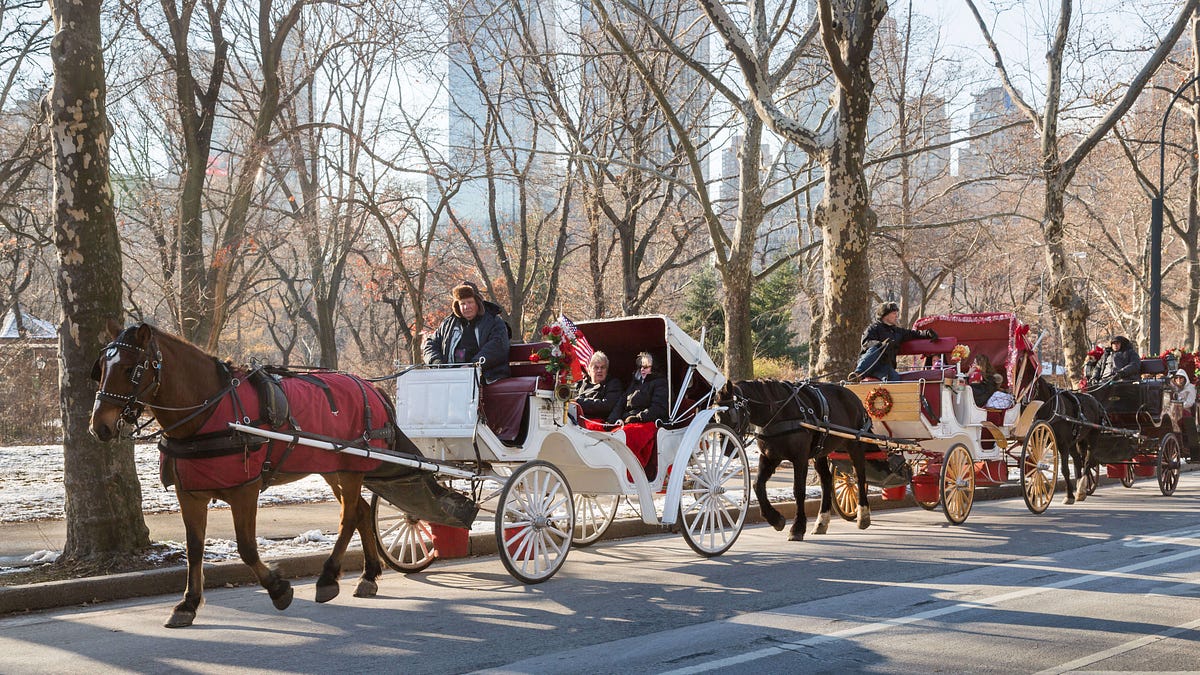
NYC to Ban Horse-Drawn Carriages in Central Park by 2028
A Vote to End a 160-Year Tradition The legislation, named Romanch's Law after an 18-year-old Indian tourist who...