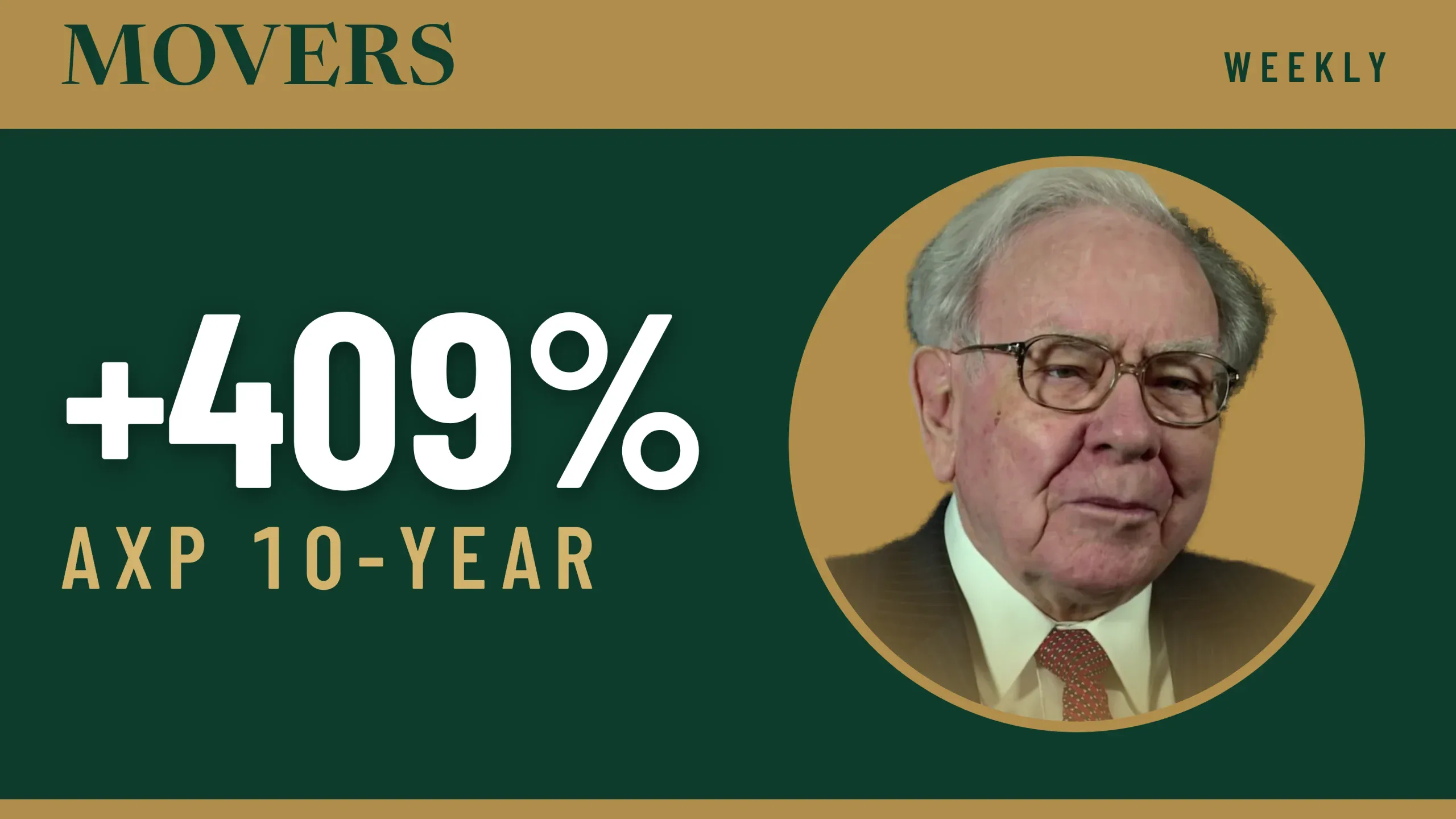
Warren Buffett’s 2013 letter to Berkshire Hathaway shareholders laid out a specific estate plan for his wife: 90% in a low-cost S&P 500 index fund and 10% in short-term U.S. government bonds.
The instruction, revisited recently on Barron’s Streetwise podcast, has been cited as a template for investors retiring in 2027, but 24/7 Wall St. reports that the allocation leaves a dangerous gap for anyone who must sell shares to pay monthly bills.
The 10% bond slice covers roughly two and a half years of withdrawals at a 4% rate, according to 24/7 Wall St. If Social Security and a pension cover most expenses, that buffer may suffice. For retirees living on portfolio withdrawals alone, however, a downturn lasting longer than that period forces the sale of stocks at depressed prices — a dynamic known as sequence-of-returns risk.
In a hypothetical $1 million portfolio, a 25% market drop in year one combined with a $40,000 withdrawal leaves $710,000. Recovering to $1 million then requires a 41% gain, compared with 33% for an investor who made no withdrawal, 24/7 Wall St. calculates. “The idea is to avoid getting in a situation where you have to sell stocks at beaten-down prices to provide money to live,” the Streetwise podcast framed the goal.
Buffett separates temporary price declines from permanent losses. “A falling quote can recover. Money is lost for good when the business goes under or when you sell at the bottom,” the outlet reports. Durable businesses that raise payouts over time can offset some of that risk.
Berkshire first bought Coca-Cola in 1988 and has owned American Express since the 1960s. Coca-Cola’s quarterly dividend rose from $0.35 in 2016 to $0.53 in 2026, a 51% increase across 63 consecutive years of raises. American Express lifted its quarterly payout from $0.29 to $0.95 over the same span, though its yield remains about 1.2% versus Coca-Cola’s 2.1%.
Fees compound the drag. The SPDR S&P 500 ETF Trust charges 0.0945%, costing $945 a year on $1 million; a 1% fee would cost $10,000. At a 6% annual return with no withdrawals, two decades of a 1% fee leaves an investor roughly $554,000 poorer than one paying nothing, according to 24/7 Wall St.
Warren Buffett, born in Omaha, Nebraska, in 1930, filed his first tax return at 14 and bought a 40-acre farm before graduating high school. He studied under Benjamin Graham at Columbia Business School, then launched Buffett Partnership Ltd. in 1956. The partnership acquired control of textile maker Berkshire Hathaway, and Buffett became its chairman and majority shareholder in 1970. In 2010 he co-founded The Giving Pledge, committing to donate at least half his fortune.
The Globe and Mail notes that Buffett’s Berkshire Hathaway compounded at more than 19% annually over six decades — nearly double the S&P 500’s 10% — by buying understandable businesses with strong moats at reasonable prices and holding them long term. The outlet adds that a Vanguard S&P 500 ETF carries a 0.03% expense ratio and closely tracks the index, an approach it calls superior for many people.
Worth a look
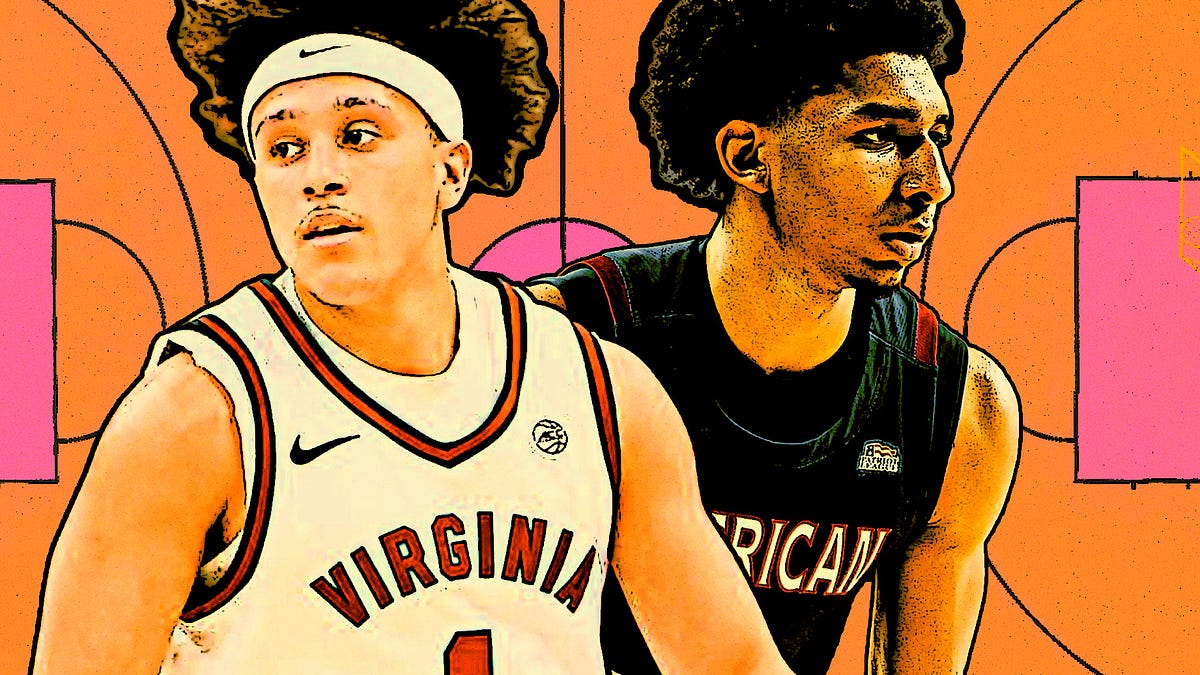
Sam Lewis Scores 28 as Virginia Beats Maryland; Madden Collins Leads American Over Harvard
Virginia walked into the Xfinity Center and silenced a red-out crowd, 87–83, behind a career night from Sam...

Wichita Falls Museum of Art Traces Animals From Scientific Specimens to Cultural Symbols in Collection Show
The Wichita Falls Museum of Art at Midwestern State University has opened a survey drawn entirely from its...

Laika to Offer Free ‘Wildwood’ Screenings at 15 Portland Theaters on Nov. 29
Laika will unlock 15 Portland theaters for free “Wildwood” screenings on Sunday, Nov. 29, offering 7,900 seats across...

New Orleans Leaders, Tulane Urge Students to Find Public Service Passion
"The problems we face are our opportunity to find purpose," Steve Gleason said in a video message played...