
Pennsylvania Creative Industries Launch Pathways Program for Underserved Communities
The Commonwealth of Pennsylvania has officially opened the Pathways Program, a new funding initiative designed to bolster the organizational infrastructure of arts and cultural groups operating within historically underserved communities. Administered under the Creative Industries umbrella, the program targets organizations that have faced systemic barriers—whether economic, geographic, or cultural—in accessing traditional arts funding. By shifting the focus from general operating expenses to capacity-building, the state is attempting to address a long-standing gap in how public resources support grassroots cultural entities.
For organizations currently navigating the complexities of sustainability, the program offers three distinct tiers of financial support. The structure reflects a deliberate effort to accommodate groups at different stages of development, from nascent organizations requiring basic incorporation support to established nonprofits seeking to manage major institutional transitions.
PCCD is now accepting initial requests for the 2026 Fall Nonprofit Security Grant Fund Program, with $10M available to help eligible nonprofit organizations strengthen safety and security at facilities across the Commonwealth. This funding can support security enhancements such… pic.twitter.com/U1ia717SZp
Tiered Grant Structure and Eligibility Requirements
The funding model is divided into categories based on annual revenue, with specific mandates regarding fiscal sponsorship and tax-exempt status.
- Seed Grant: Designed for organizations with revenue under $100,000, this tier provides up to $10,000 per year for two years. These funds are non-matching and paid upfront, allowing groups to focus on developing revenue plans or organizational structures without the immediate burden of reimbursement documentation.
- Growth Grant: Aimed at 501(c)(3) organizations with revenue between $100,000 and $1,000,000, this tier offers up to $15,000 per year for two years. Unlike the Seed Grant, this is primarily reimbursement-based, though grantees may request an initial 25% advance.
- Milestone Grant: Also for 501(c)(3) organizations in the $100,000 to $1,000,000 revenue range, this grant provides up to $50,000 over two years. It is specifically intended for significant operational shifts, such as leadership succession, facilities expansion, or relocation.
The distinction between the Seed Grant and the other categories is a critical element of the program’s design. By allowing Seed Grant applicants to utilize fiscal sponsorship, the state acknowledges that many small, community-rooted groups have not yet achieved formal 501(c)(3) status—a process that is itself often costly and administratively heavy. Conversely, the Growth and Milestone tiers require established nonprofit status, effectively creating a “bridge” for organizations that have already cleared the initial hurdle of formal incorporation.
Eligible Expenses and Strategic Restrictions
While the program offers substantial support, the Commonwealth has placed strict guardrails on how funds can be utilized. Grant money cannot be diverted into general operating expenses, such as routine staff salaries or benefits. Instead, the funds are restricted to initiatives that build long-term sustainability. Examples of eligible activities include professional development, consultant services, strategic planning, and, in the case of the Milestone Grant, facilities-related costs.
The exclusion of certain expenses highlights the program’s focus on structural evolution rather than short-term relief. Prohibited uses include payments to lobbyists, cash prizes, hospitality expenses like receptions, and any activity with a religious purpose. Furthermore, the state mandates that all supported performances and exhibitions must be available to the public, ensuring that the taxpayer-funded investment results in broad community access rather than private or exclusive benefit.
The Economic and Civic Stakes
The launch of the Pathways Program arrives at a moment when many small-to-midsize cultural organizations are struggling to maintain relevance in a shifting economic landscape. By providing resources for “organizational evaluation and assessment,” the Commonwealth is effectively investing in the professionalization of the sector. The focus on historically underserved communities—defined by the state as those facing geographic isolation or limited access to traditional resources—suggests a policy shift toward decentralizing arts funding away from major urban hubs.
Critics of such programs often point to the heavy administrative burden inherent in reimbursement-based grants. For a small organization with limited cash flow, the requirement to incur and pay for expenses before receiving reimbursement can be a significant hurdle, potentially limiting the program’s reach to those with existing capital. The inclusion of an upfront 25% advance for Growth and Milestone grants represents a modest acknowledgment of this reality, though it remains to be seen if this percentage is sufficient to catalyze the intended growth.
The program creates a clear pathway for organizations to formalize their operations, but the success of this initiative will likely be measured by the long-term viability of the grantees after their two-year funding cycle concludes. As the Commonwealth of Pennsylvania implements these guidelines, the requirement for rigorous documentation and reporting will serve as a test of the organizational capacity of the very groups the program aims to strengthen.

Related reading

North Dakota and Minnesota probate limits depend on estate value
Probate becomes a legal requirement in North Dakota and Minnesota when a deceased person leaves behind real estate...
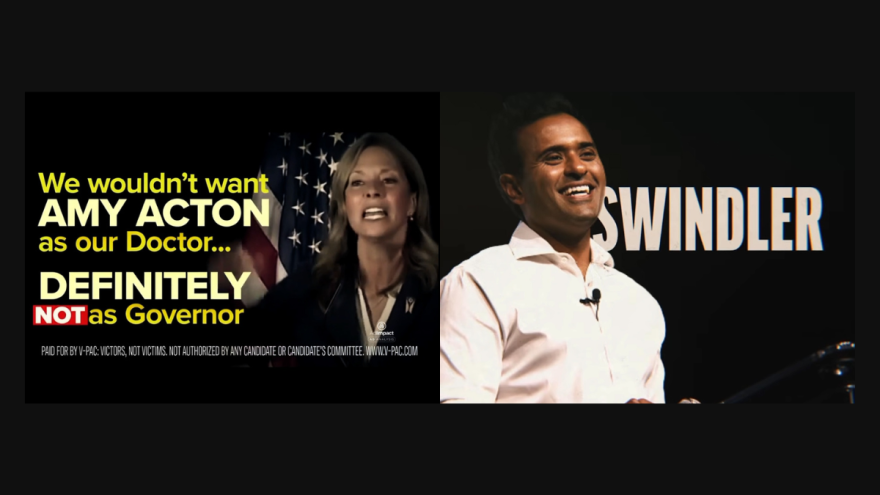
Vivek Ramaswamy Faces Backlash Over Amy Acton Attack Ad
The Political Fallout of the Ramaswamy Ad Campaign In the final stretch of the 2026 Ohio gubernatorial race,...

MTA Urges Congress for Reliable Funding and Tariff Relief
The MTA’s Post-Election Wishlist for Congress Following the results of Tuesday’s national election, which handed Democrats a firm...

Deb Haaland elected governor as Colorado flooding causes detours
New Mexico is entering a new chapter of governance following this week’s election results, which solidified a Democratic...