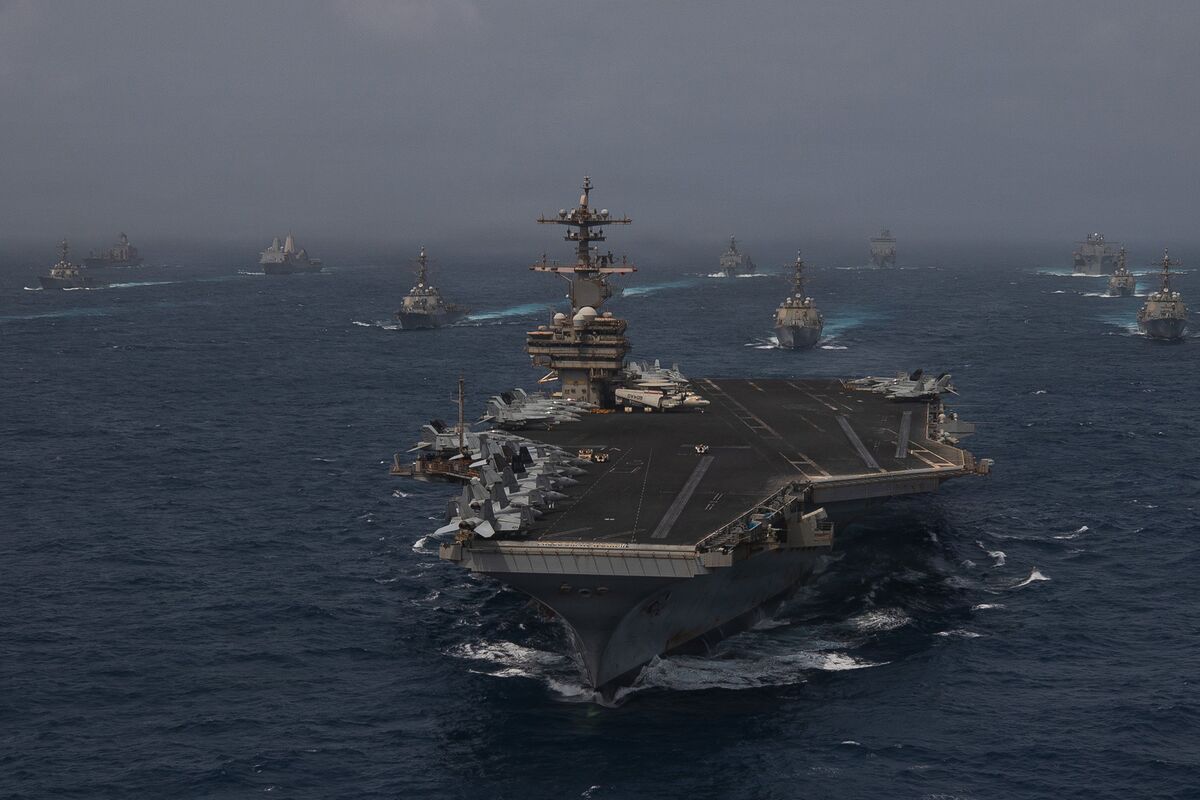
As of Monday, July 20, 2026, the United States and Iran are locked in an intensifying cycle of military strikes. The conflict has expanded to the Red Sea, where Yemen’s Houthi rebels have declared a maritime blockade on Saudi Arabia, further threatening global energy supplies and trade routes.
U.S. Military Strikes and Regional Escalation
The U.S. military has engaged in a quickening series of tit-for-tat attacks
against Iranian targets. U.S. Central Command confirmed on Sunday it had completed a ninth evening of strikes targeting Iranian command centers, maritime capabilities, missile and drone launch sites, and communications networks. According to U.S. Central Command, the aim of this mission was to further diminish
Iran’s ability to attack commercial vessels and civilian mariners transiting the Strait of Hormuz.
The Pentagon identified two U.S. soldiers who were killed when Iran attacked an American base in Jordan on Friday. Officials also stated they had found unidentified remains that could be those of a third soldier reported as missing in action. Separately, a fourth service member was killed in northern Iraq during the controlled detonation of unexploded ordnance from a downed Iranian one-way attack drone.
Following another night of U.S. strikes on Iranian cities and attacks by Iran’s Revolutionary Guards on U.S. military assets, U.S. Central Command stated Monday afternoon that it had begun another round of strikes on Iran. U.S. Central Command said Monday afternoon U.S. time that it had begun another round of strikes on Iran. President Donald Trump defended the latest strikes.
For more on this story, see US Launches Strikes Against Iran Following Deadly Attack on Jordan Base.
The Houthi Maritime Embargo
Opening a new front in the conflict, the Houthis announced a naval blockade targeting Saudi Arabia on Monday. In a statement, the Houthis’ armed forces declared a maritime embargo against the criminal Saudi enemy, based on the equation of ‘an eye for an eye’, effective immediately
in response to what they called an unjust and oppressive siege
imposed on Yemen by the Saudis. The Saudi-led coalition in Yemen stated it would respond to the Houthis with force and began implementing protection measures for its ships moving through the Bab el-Mandeb Strait, a key export route for Saudi oil.
A full closure of the Bab el-Mandeb gateway would reduce global oil supply by 7%, as it would leave most Saudi oil exports unable to leave the region. This potential disruption would add to the existing cut to oil flows from the war in the Gulf, which has already reduced shipments by 10% of global supply. Iran had been pressing the Houthis to close the gateway if the U.S. continued to attack Iranian power infrastructure.
This follows our earlier report, Trump resumes Iran talks as US strikes 170 targets in Strait of Hormuz.
Strained Diplomacy and Ceasefire Proposals
Despite the military escalation, Iran’s Foreign Ministry stated that mediators had presented proposals
to Tehran, signaling that diplomatic contacts remain active. A senior Iranian official told Reuters on Monday that Tehran had received a proposal from mediators for a 10-day ceasefire to salvage an interim agreement. This agreement was intended to pave the way to a lasting end to the war. Neither the ministry nor the official provided further details on the ceasefire discussions. Separately, two Pakistani government sources stated that Iranian Interior Minister Eskandar Momeni had asked Pakistan to resume its mediation role in the conflict, and he later arrived in Islamabad for further talks.
Read also: Egypt, Saudi Arabia Demand Immediate De-Escalation After Iranian Attacks.
Operational Stakes and Regional Impact
The conflict has resulted in widespread instability, with Kuwait reporting that a desalination plant was hit for a second day in a row. Tehran media reported that U.S. missiles hit several Iranian cities, while Iran’s Revolutionary Guards claimed two tankers were hit in the Hormuz region. As risks for merchant shipping increased, the insurance cost of shipping goods through the Red Sea rose. While oil prices rose briefly after the Houthi statement, they later fell as traders held out hope of a diplomatic breakthrough.

Sources: Bloomberg.com, Reuters.
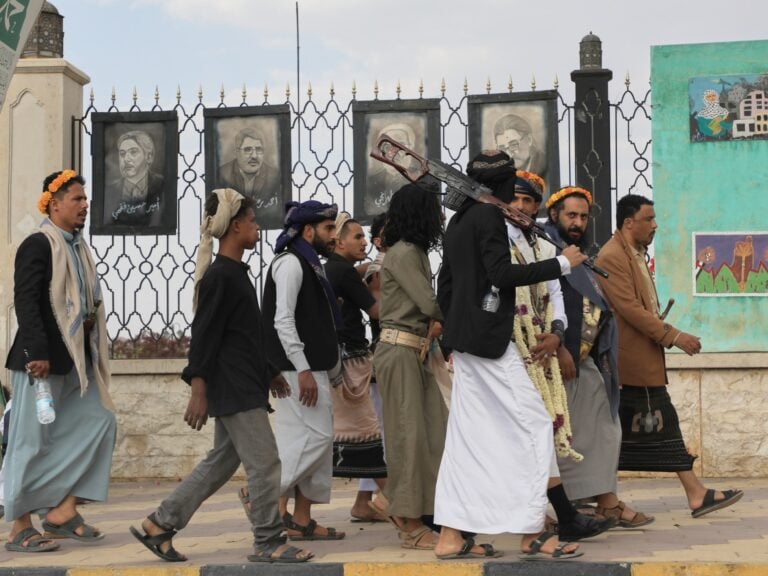
Yemeni Government Forces Recapture Strategic Hais District in Hodeidah
Yemeni government forces recaptured the strategic Hais district south of Hodeidah on September 6, 2026, amid intensifying clashes...
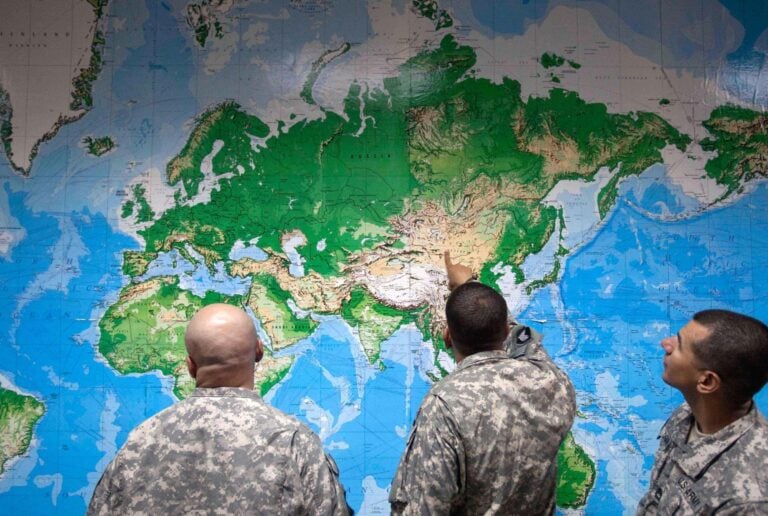
UN General Assembly Endorses Equal Earth Map Projection to Correct Africa Size
The resolution, titled the Correct the Map resolution, was sponsored by Togo and backed by members of the...
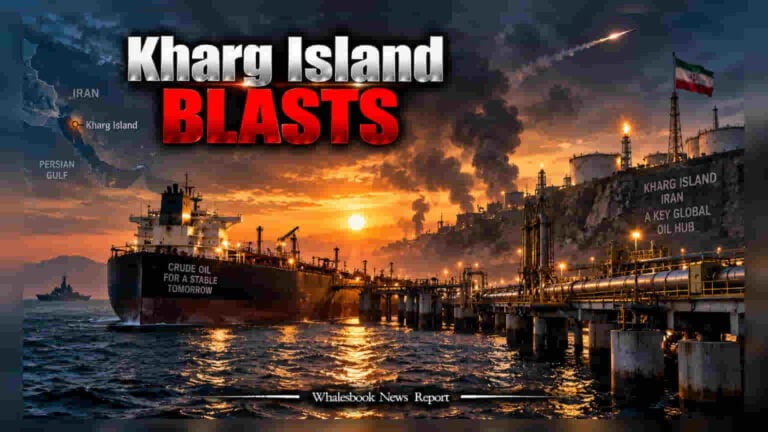
Explosions Reported Near Iran’s Kharg Island Oil Terminal
Explosions were reported near Iran’s Kharg Island oil terminal early Saturday, prompting unconfirmed regional claims that a tanker...

Hemedti Arrives in Addis Ababa Amid Border Buildup
Sudan’s Rapid Support Forces Commander Mohamed Hamdan “Hemedti” Dagalo arrived in Addis Ababa for unannounced talks on August...