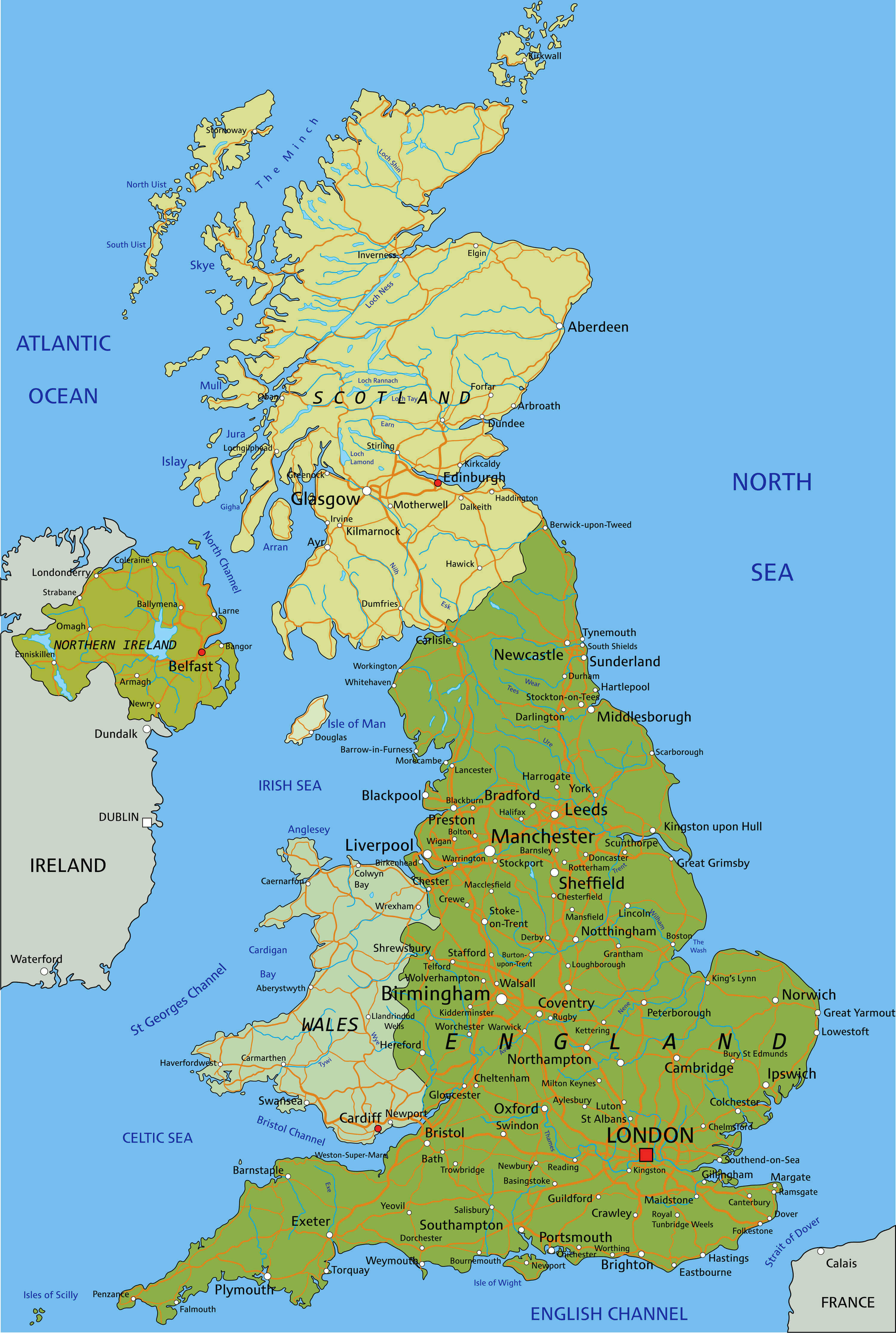
Inflation trends diverged sharply in June as the UK saw its annual rate slow to 2.6% due to lower fuel and food costs, while Uganda recorded a negative inflation rate of -2.6% for the same month, driven by lower price levels of staple foods, new clothing materials and household fuel and sustained market deflation.
UK Inflation Eases Amid Fuel and Retail Price Drops
The UK’s annual inflation rate fell to 2.6% in the year to June, a slight decline from the 2.8% recorded in May, according to the Office for National Statistics. This cooling trend was largely attributed to a decrease in the cost of motor fuel, particularly diesel.
“A fall in motor fuel prices, particularly diesel, helped ease inflation in June.”
Grant Fitzner, ONS chief economist
Prices for sugar, chocolate, and confectionery saw the most significant month-to-month drops, while clothing prices fell as retailers launched summer sales with deeper discounts than those seen in the previous year. While the prices of meat and vegetables did rise, the rate of increase remained below the levels recorded at the same time last year.
Uganda Records Sustained Negative Inflation
In contrast, Uganda’s economy experienced a different phenomenon: 10 consecutive months of negative inflation. The annual rate hit -2.6% in June, worsening slightly from the -2.4% reported in May. Officials at the Uganda Bureau of Statistics (UBOS) attributed this trend to lower price levels for staple foods and household fuel.
The situation is fundamentally tied to the agricultural sector’s performance. The production level has considerably gone up of food commodities like bananas,
noted Mukund Rao, managing director of Crane Bank in Kampala. Because food accounts for 45.2% of the country’s index, these bumper harvests have effectively pushed the overall inflation rate into negative territory.
Economic Performance and Market Stability
Despite the deflationary pressure in the commodities market, the broader economic outlook for Uganda remains positive. The nation has maintained a steady growth rate of 5.6% over the past year, supported by a stable currency.
“There is continued growth of the economy in the past year at 5.6%.”
Mr Rao, managing director of Crane Bank
While food prices drove the headline rate, the underlying annual inflation rate—which excludes food—also dropped to 0.1% in June. Although most categories saw price relief, the cost of specific essentials including water, health services, education, and alcoholic beverages saw slight increases.
Global Risks to Future Price Stability
In the UK, analysts are monitoring the potential for a price spike, noting that the recent resumption of hostilities in the Middle East has already triggered a jump in crude oil prices, which could reverse the gains made at the fuel pump.
Food inflation in the UK is also subject to a supply chain lag of up to 13 months, meaning that the full economic impact of international conflicts may not yet be reflected in current retail prices.

Monaldi Hospital Study Reveals Microbiota Differences in Endocarditis Patients
Researchers in Italy have revealed notable differences in gut, oral, and skin microbiota among patients with heart valve...

Boy’s Abdominal Rash Caused by Resting Charging Laptop on Skin
A young boy presenting with a mysterious abdominal rash and suspected liver injury was ultimately diagnosed with erythema...

Local Consolidative Therapy Fails to Improve Survival in LONESTAR Trial
Adding local consolidative therapy after induction dual checkpoint blockade in metastatic non-small cell lung cancer was feasible, but...

WHO Prequalifies Multi-Dose RSVpreF Vaccine Vial to Protect Infants
The World Health Organization has prequalified a multi-dose vial of the maternal respiratory syncytial virus vaccine, RSVpreF, sold...