Following soaring half-year profits exceeding £29bn among the UK’s four largest lenders, Prime Minister Andy Burnham faces mounting political pressure from trade unions and campaigners to introduce a bank windfall tax ahead of the October 28 budget, even as banking executives warn of severe economic consequences.
UK bank stocks have returned to the political firing line. Stellar half-year earnings reported by the country’s major financial institutions have collided directly with the harsh economic realities of rising household bills and state budget planning.
Bumper Profits and Surging Dividends Across the Big Four
The financial windfall for the nation’s dominant lenders has been fueled by a combination of high interest rates and market turbulence fuelled by soaring half-year profits. Collectively, the UK’s four largest lenders—HSBC, NatWest, Barclays, and Lloyds—reported £29.2bn in profits over the first six months of the year, with almost half of that total, £13.7bn, pledged to investors through dividends and share buybacks.
HSBC added momentum to the earnings wave by announcing that second-quarter profit rose 60% alongside a new stock buyback, pushing its half-year surge to nearly a quarter. The eye-watering figures have been amplified by a widening gap between what major institutions pay savers and what they collect from lending operations, leaving ordinary households struggling against elevated energy and household expenses.
Political Pressure and the October Budget Clash
Those eye-watering earnings have turbocharged demands for a tax increase on banks, pitting trade unions and activist groups directly against the financial sector lobby. Prime Minister Andy Burnham, may be on his pre-arranged family summer holiday, faces an immediate test as his team engages in critical budget planning meetings ahead of the October 28 budget.
🚨🇬🇧 PM ANDY BURNHAM FACES GROWING PRESSURE TO HALT LABOUR’S EARLY PRISONER RELEASE SCHEME AFTER P
Labor and advocacy organizations argue that extra taxation on excess earnings could yield billions to fund vital public support. The Trades Union Congress contends that raising taxes on big lenders could help offset the costs of Burnham’s ambitions to slash living costs and overhaul social care.
“Banks can easily afford to pay more tax. This is a chance for the new prime minister and chancellor to show whose side they’re on.”
Photo: mirror.co.uk
Paul Nowak, TUC General Secretary, via The Guardian
The TUC is advocating for an increase to the existing 3% surcharge on bank profits, pointing out that doubling or tripling the rate could generate massive revenues. The campaign group Positive Money estimates that a windfall tax could raise up to £19bn from the big four banks alone in its first year, providing enough capital to cover reductions in electricity VAT, a £2 bus fare cap, and business rate reliefs for local pubs, clubs, and music venues.
“We’re calling on Andy Burnham to break with his predecessors by resisting the demands of City lobbyists and reclaiming these lost billions with a windfall tax on bank profits, the proceeds of which could be used to fund truly life-changing support for the households and businesses struggling to pay their bills right now.”
Sara Hall, co-executive director at Positive Money, via AOL UK
City Pushback and Threats of Corporate Flight
Banking executives have fired warning shots across Westminster, arguing that levies would damage the broader economy and restrict vital lending capacity.
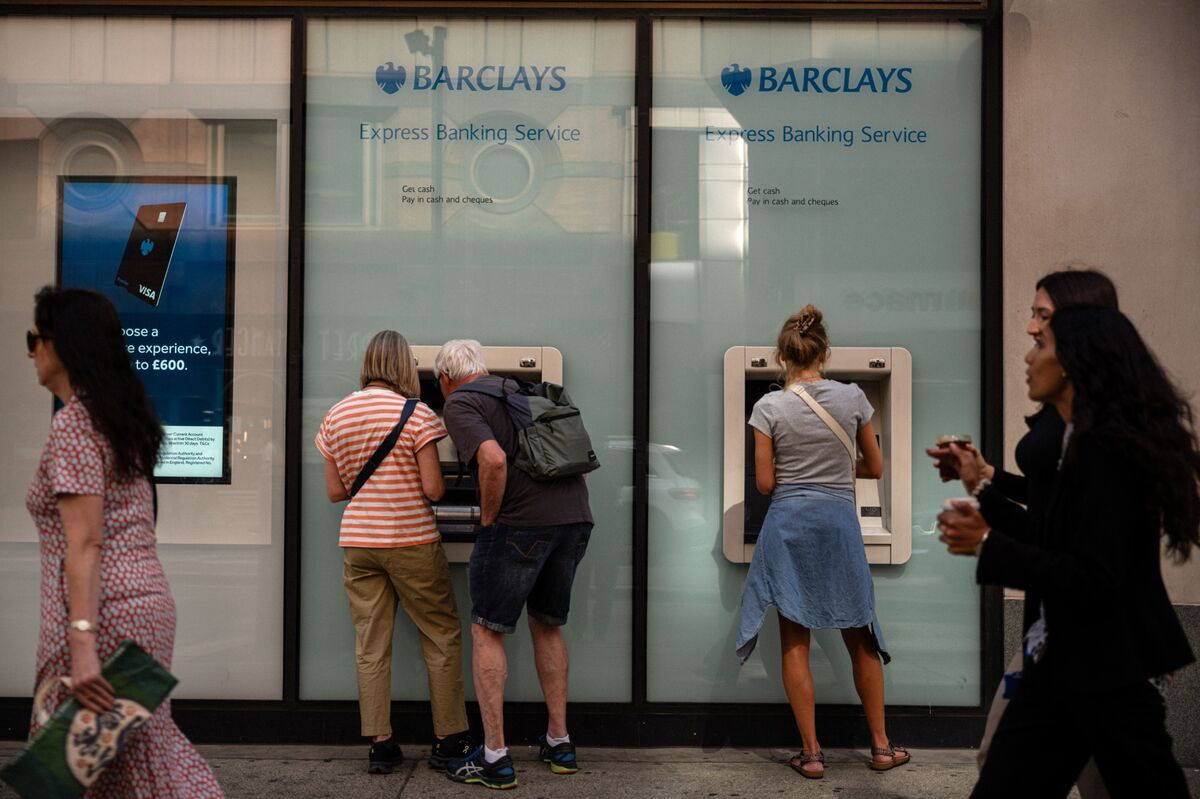
Photo: aol.co.uk
“We paid probably $10bn (£7.4bn) in extra taxes by now, I don’t think that’s right or fair. If that happens too much, we will reconsider.”
Jamie Dimon, Wall Street bank chief executive, via The Guardian
NatWest chief executive Paul Thwaite argued that tax increases would hold back lending and harm economic health, while Barclays chief financial officer Anna Cross emphasized that institutional loan records are essential to supporting the government’s wider growth agenda.
Historical Precedents and Regulatory Friction
The looming standoff mirrors political battles fought over the past two decades following the 2008 banking meltdown. In May 2010, the newly formed Conservative-Liberal Democrat coalition government introduced an emergency bank levy based on International Monetary Fund proposals to tax portions of major lenders’ balance sheets.
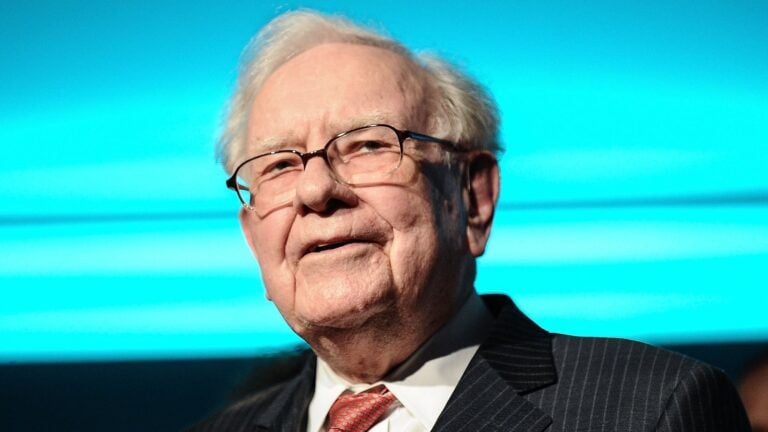
Photo: bloomberg.com
That friction reached a peak in 2015 when then-HSBC chief executive Stuart Gulliver, frustrated by mounting regulatory burdens and a £700m annual charge from the bank levy, revealed the company was considering shifting its headquarters out of the UK to Hong Kong. That pressure eventually forced then-chancellor George Osborne to retreat and scale back the levy to target strictly UK-based balance sheets rather than global assets.
With the October 28 budget approaching, Westminster’s newly formed leadership must weigh whether the political temptation of multi-billion-pound banking profits outweighs the risk of corporate retaliation and restricted credit in a fragile macroeconomic climate.