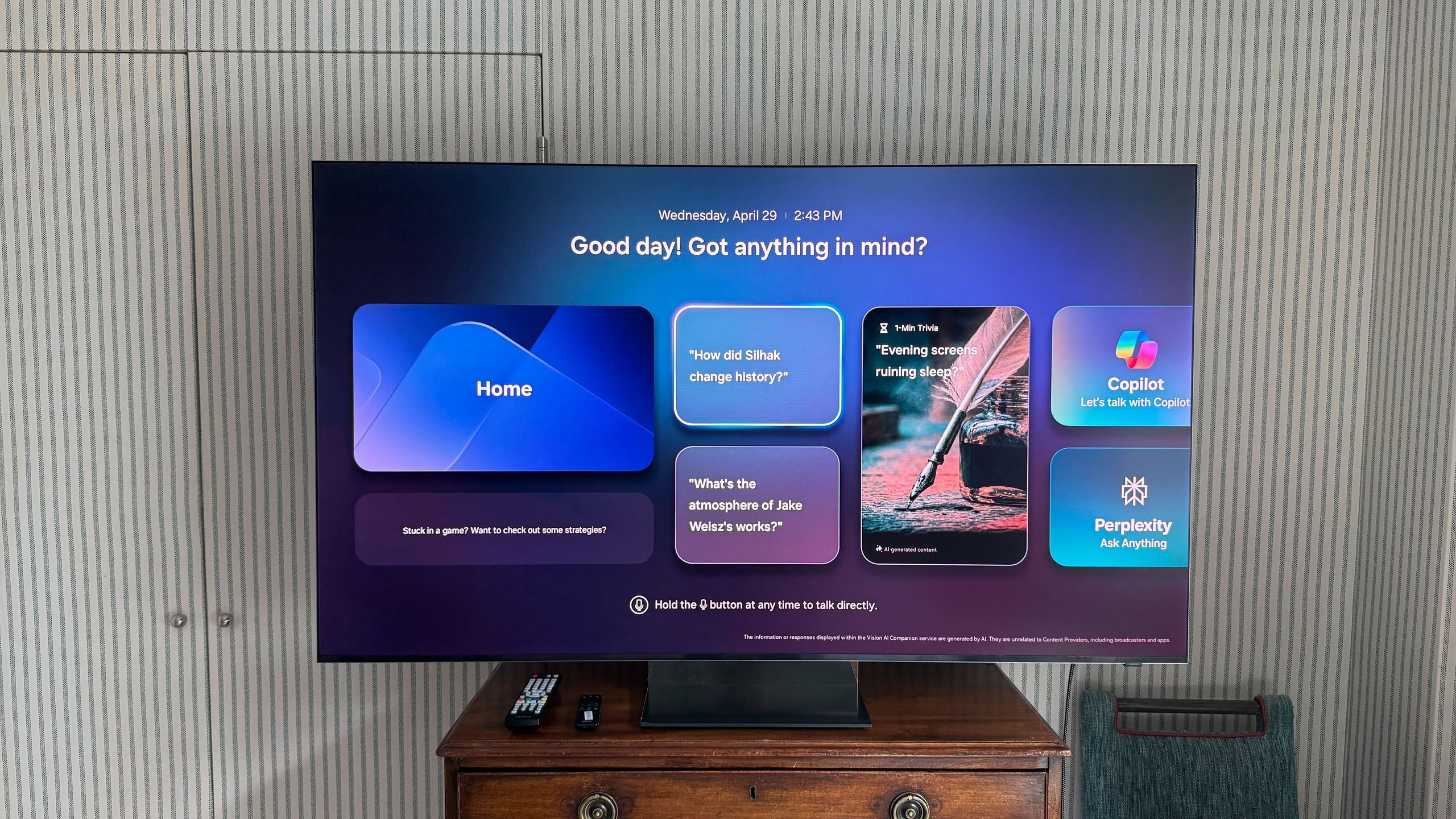
Samsung’s next-generation HDR10+ Advanced standard is launching globally this month on Amazon’s Prime Video, initially rolling out on select 2026 Samsung TV models with advanced features like Enhanced Overall Brightness and Intelligent Motion Smoothing designed for RGB Mini LED hardware.
The display industry’s ongoing battle over dynamic metadata standards is heating up as Samsung brings its alternative to proprietary formats directly to living rooms. After previewing HDR10 Plus Advanced late last year during a trip to Samsung’s Korean headquarters, where reviewers concluded that it looks “very promising”, the specification is now making its commercial debut.
Hardware Requirements and Streaming Availability on Prime Video
Viewers hoping to experience the new format will need to align a specific set of hardware and software components. HDR10+ Advanced will only initially be available on certain 2026 models of Samsung TVs, and only through the Prime Video streaming service. Furthermore, it is restricted to select Prime Video content at the moment, though Amazon has not said what that includes, aside from a press image showing off Amazon’s series Ride or Die.
The standard has been developed with RGB Mini LED TVs in mind, like the R95H. Confusingly, Samsung refers to its RGB Mini LED TVs as ‘Micro RGB TVs’. This launch arrives alongside competing formats in the home entertainment market, as rival technology Dolby Vision 2 also launched this week, but only on select Hisense TVs. Samsung and Amazon have been in bed together for a long time now; Prime Video was also the first streaming service to offer the original HDR10+ format back in 2017.
Enhanced Overall Brightness and Intelligent Motion Smoothing Features
Building upon the foundational HDR10+ standard, HDR10+ Advanced introduces key features with addition of Enhanced Overall Brightness and Intelligent Motion Smoothing. The format utilizes metadata tags that can cover both genres (Movie, Sports, Animation, News, or General) and specific details like lighting, motion, or perspective to inform how your TV processes what’s going on.
The first major feature tackles peak luminance and shadow handling across challenging scenes. The former uses statistical metadata to deliver brighter, more precise HDR across the full tonal range
, while AI-driven tone mapping preserves shadow detail without compromising peak brightness. The second core addition addresses motion handling dynamically across the frame.
“preserving the cinematic feel of film content while delivering smooth, natural motion for sports, action and other fast-moving scenes.”
Whathifi
This Intelligent Motion Smoothing feature, meanwhile, uses scene-by-scene metadata to dynamically adjust motion processing. Both formats are promising to make use of motion smoothing when it can benefit the viewing experience on fast-moving action like sports, while also backing off from adding the unsettling “soap opera” effect to film and TV content, though reviewers note we’ll have to see it in action to know how well it works.
Industry Context and Alternative Formats in the Living Room
The deployment of HDR10+ Advanced represents an intentional move to establish a robust dynamic metadata ecosystem without Samsung paying Dolby’s fee for the stamp. While Samsung pushes its fee-free alternative globally on Prime Video this month, competing manufacturers and services are forging separate paths.

Hisense, Philips, and TCL have said their new TVs will support Dolby Vision 2, while Peacock and Canal+ are on board for content, but it’s not available for use yet and will likely require a software update for supported TVs when it does start to roll out. Meanwhile, the broader streaming landscape continues to experience volatility; Disney Plus in Europe briefly lost Dolby Vision support due to a patent dispute, underscoring the complex licensing and technical negotiations shaping modern home cinema formats.
Worth a look

NYC Mayor Zohran Mamdani Condemns Paramount-Warner Bros. Discovery Merger
New York City Mayor Zohran Mamdani strongly criticized the massive $111 billion merger between Paramount Skydance and Warner...
Vampirina: Teenage Vampire Season Two Premieres October 6 on Disney Channel
Disney's music-driven live-action series Vampirina: Teenage Vampire returns for its second season on October 6 on Disney Channel...

Cynthia Erivo Stars in Trailer for Legal Drama Film Prima Facie
Sony Pictures released a first trailer for the legal drama film Prima Facie, starring Cynthia Erivo as a...

Terry Denton, Beloved Illustrator of Treehouse Series, Dies Aged 76
Beloved Australian children's author and illustrator Terry Denton, best known for his collaborative work on the multimillion-selling Treehouse...