Normal body mass index does not rule out clinically relevant fatty liver disease in people living with HIV, according to study findings presented at the 26th International AIDS Conference in Rio de Janeiro, highlighting a hidden risk that standard weight measurements frequently miss.
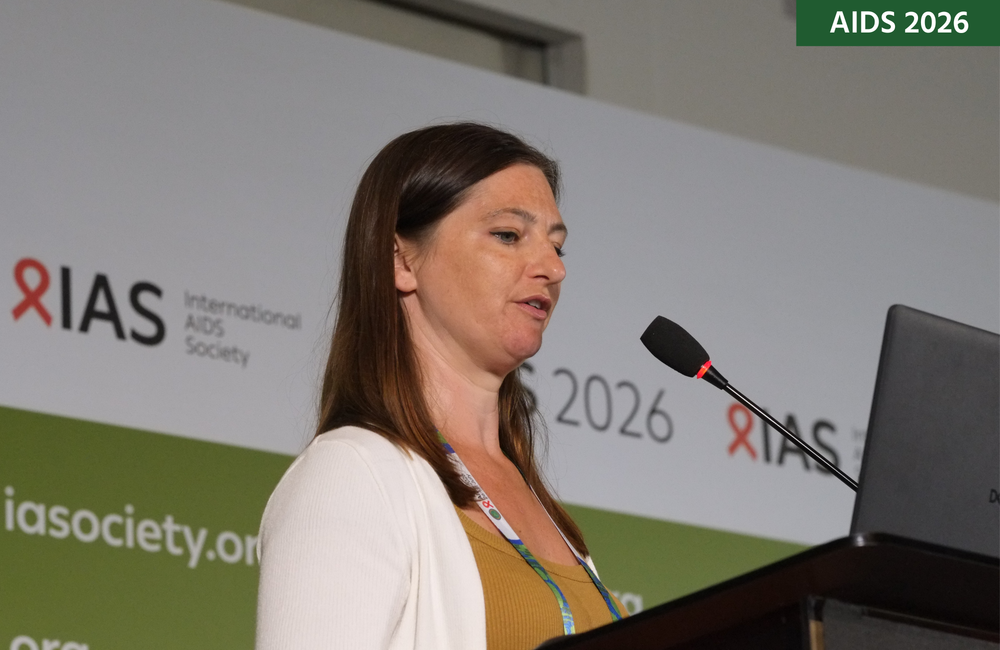
Medical professionals evaluating liver health in patients with HIV need to look beyond traditional weight metrics, according to research presented at the 26th International AIDS Conference (AIDS 2026) in Rio de Janeiro. The findings show that individuals with a normal body mass index can still harbor significant hepatic fat accumulation and associated complications.
Uncovering Lean Steatotic Liver Disease in HIV Care
Steatotic liver disease has taken on a growing role in advanced liver complications worldwide, particularly as vaccinations have made hepatitis B preventable and antiviral therapies have rendered hepatitis C curable. Traditionally linked directly to obesity, metabolic dysfunction-associated steatotic liver disease and related conditions also affect a notable portion of individuals who present with normal or low weight.
While general population studies suggest that roughly 10% of people with normal or low weight have steatotic liver disease, research suggests this may rise to 25% among people living with HIV. To better understand this phenomenon, researchers analyzed clinical data collected at a large HIV service in central London between 2019 and 2025 using transient elastography, a non-invasive ultrasound imaging method known as FibroScan.
Similar Severity Despite Favorable Profiles
Out of 391 participants diagnosed with both HIV and fatty liver disease, investigators found that 57 individuals, or 14.6%, met the classification for lean steatotic liver disease. These lean participants were generally older, with a median age of 58 compared to 54 years for the non-lean group, and tended to display more favorable cardiometabolic profiles.

Despite appearing metabolically healthier with slightly less hepatic fat accumulation, the lean participants showed no indication of a reduced burden regarding liver disease severity. Researchers noted that markers such as liver fibrosis scores remained comparable across both cohorts.
Implications for Clinical Assessment and Global Treatment Trends
The findings point to significant blind spots in routine clinical monitoring. Because lean steatotic liver disease has been linked to increased mortality and liver-related events despite presenting with fewer metabolic abnormalities, relying strictly on traditional height-and-weight calculations can lead clinicians to underestimate disease prevalence.
This evolving challenge arrives against a backdrop of broad shifts in global HIV care. Worldwide, nearly 37 million people were living with HIV in 2014, with the vast majority concentrated in sub-Saharan Africa. Decades of expanded access to antiretroviral therapy have driven substantial progress, causing annual new infections to fall significantly and pushing down AIDS-related deaths from their peak in 2005.

PICTURES: Laois goes purple for Alzheimer’s memory walk
Communities across Ireland turned out on Sunday, September 20, 2026, for the annual Alzheimer’s Memory Walk, raising vital...

UC San Diego Researchers Use AI and Cell Movies to Predict Drug Responses
Researchers at the University of California San Diego have built virtual cell models using artificial intelligence and 40,000...

Australia Confirms First Mainland Mammal Death From H5N1 Bird Flu
Australia confirmed its first mainland mammal death from H5N1 bird flu after a long-nosed fur seal tested positive...

Deep Vein Thrombosis: Symptoms, Risks and Prevention Management
Deep vein thrombosis forms blood clots in deep veins, most often in the legs or pelvis, carrying risks...