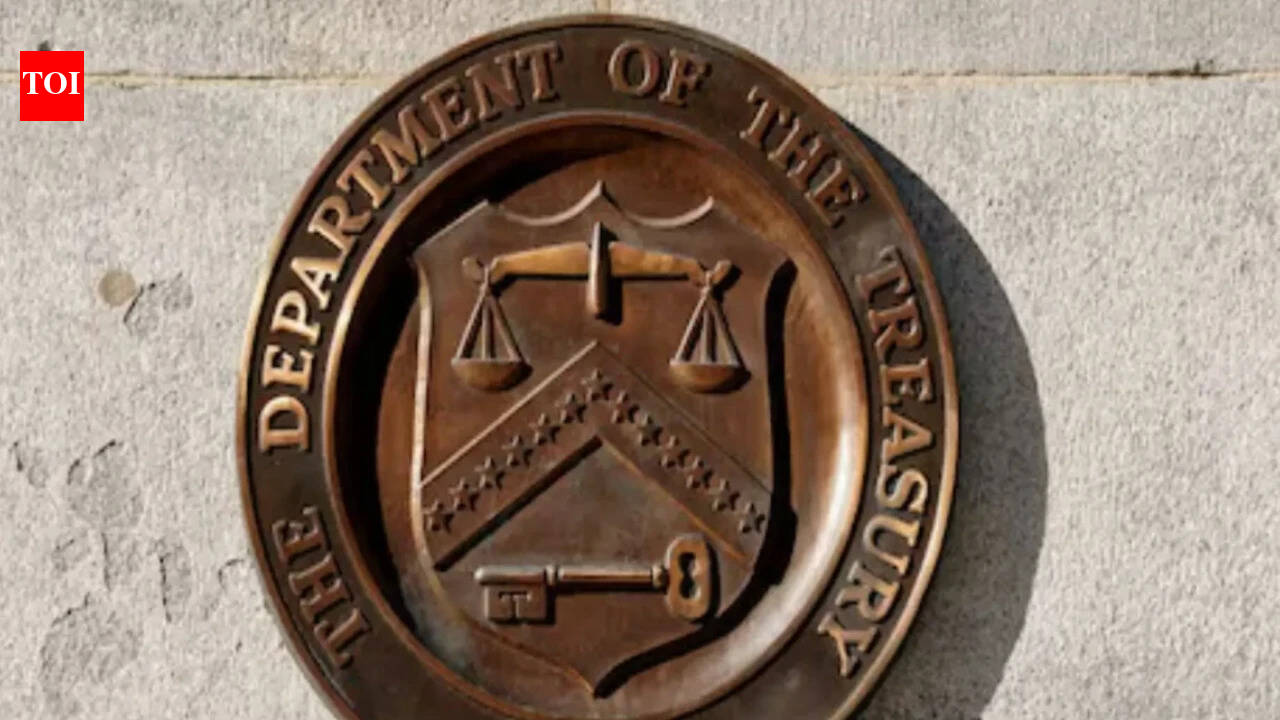
The United States imposed sanctions on Friday targeting Dubai-based cryptocurrency exchange Shelbit and Iran-based Aban Tether, accusing them of processing millions of dollars for the Islamic Revolutionary Guard Corps and state-linked entities as part of a sprawling $4 billion sanctions-evasion network.
Washington escalated its economic campaign against Tehran on Friday by blacklisting digital asset exchanges and shadow banking networks used by the Iranian state to funnel billions through international financial systems.
Sanctions Hit Dubai and Iran Exchanges Over IRGC Crypto Flows
The latest U.S. measures designate the Dubai-based cryptocurrency exchange Shelbit and its founder Siavash Kayvanpour, alongside an Iran-based platform named Aban Tether. According to U.S. authorities, Shelbit processed millions of dollars in digital assets on behalf of Iran’s central bank and wallets linked by the Israeli government to the Islamic Revolutionary Guard Corps.
Treasury officials stated that the Dubai platform operated as the central hub of a vast $4 billion Iranian sanctions evasion scheme originally brought to light by investigative reporting. Alongside Shelbit, the U.S. targeted Aban Tether for processing millions of dollars in transactions for sanctioned entities, including Nobitex, Iran’s largest cryptocurrency exchange, which was previously blacklisted in June.
“Treasury will hunt down and dismantle the illicit financial networks that keep the regime afloat.”
Secretary of the Treasury Scott Bessent, via Arab News
Investigative Exposure Followed by Website Reactivation and Denials
The U.S. designation follows a series of regulatory and investigative disclosures regarding Shelbit’s operations. Dubai’s Virtual Assets Regulatory Authority issued a notice on July 24 accusing the exchange of violating anti-money laundering and counter-terrorism financing regulations, warning that its cross-border transactions threatened the integrity of the United Arab Emirates’ financial system.
Although Shelbit’s public website had remained inactive for months, investigators found that the exchange continued processing funds even during the military conflict involving the U.S., Israel, and Iran. The platform’s website reappeared online the day after the July 31 investigative report was published.
On August 1, Shelbit published a statement on its reactivated portal denying any wrongdoing. The company asserted that it had ceased operations in January 2026.
“Shelbit LLC categorically rejects any suggestion that the company knowingly participated in money laundering, terrorist financing, illegal gambling activity, sanctions evasion, or activity on behalf of any sanctioned, military, or governmental organisation.”
Shelbit LLC, via Indiatimes
Bitcoin Mining Operations and Online Gambling Networks Fueling Evasion
Treasury’s case reveal unconventional revenue streams behind the sanctions evasion network. Tens of millions of dollars flowing through Shelbit derived from a suspected Iranian bitcoin mining operation designed to mint new digital coins, while millions more originated from an illegal online gambling network run by prominent Iranian social media influencers.

One of the social media influencers linked to the gambling operations, Sobhani, categorically denied any involvement in money laundering, sanctions evasion, or moving funds on behalf of Iranian state institutions, maintaining that his connection to the gambling platform was limited to paid social media advertising rather than ownership or operation.
Nevertheless, the Treasury Department condemned the regime’s complicity in these digital enterprises. In its public designation statement, the Treasury noted that the Iranian regime’s willingness to allow the gambling network to operate highlights its deep hypocrisy and corruption.
Wider Crackdown on Shadow Banking and Financial Pressure Campaigns
Friday’s cryptocurrency designations formed part of a broader economic offensive. In a separate announcement, the Treasury Department blacklisted 35 entities and individuals tied to Iran’s shadow banking network, which has moved hundreds of millions of dollars, including proceeds from overseas oil sales.

State Department spokesperson Tommy Pigott noted that the measures were enacted in direct response to the targeting of commercial vessels in the Strait of Hormuz earlier in the week. State Department officials reiterated that the U.S. is offering a reward of up to $15 million for information leading to the disruption of IRGC financing, as Washington maintains its economic pressure amid ongoing negotiations over the war.
Related reading

Sri Lanka Court Convicts 15 Men Over 2019 Easter Bombings
A Sri Lanka high court has convicted 15 men over their roles in the 2019 Easter Sunday terrorist...
PM Modi Expected to Visit Canada in December to Finalize Trade Deal
Canadian Prime Minister Mark Carney announced on Tuesday that Indian Prime Minister Narendra Modi is expected to visit...
Donald Trump Made Over 1,100 Stock and Bond Trades Worth Up to $270 Million in July
President Donald Trump executed over 1,100 stock and bond transactions in July, totaling between $79 million and $270...

Kenya to Pioneer Masterkey Digital Platform for Portable Skills
President William Ruto announced that Kenya will lead the first national implementation of Masterkey, a digital platform designed...