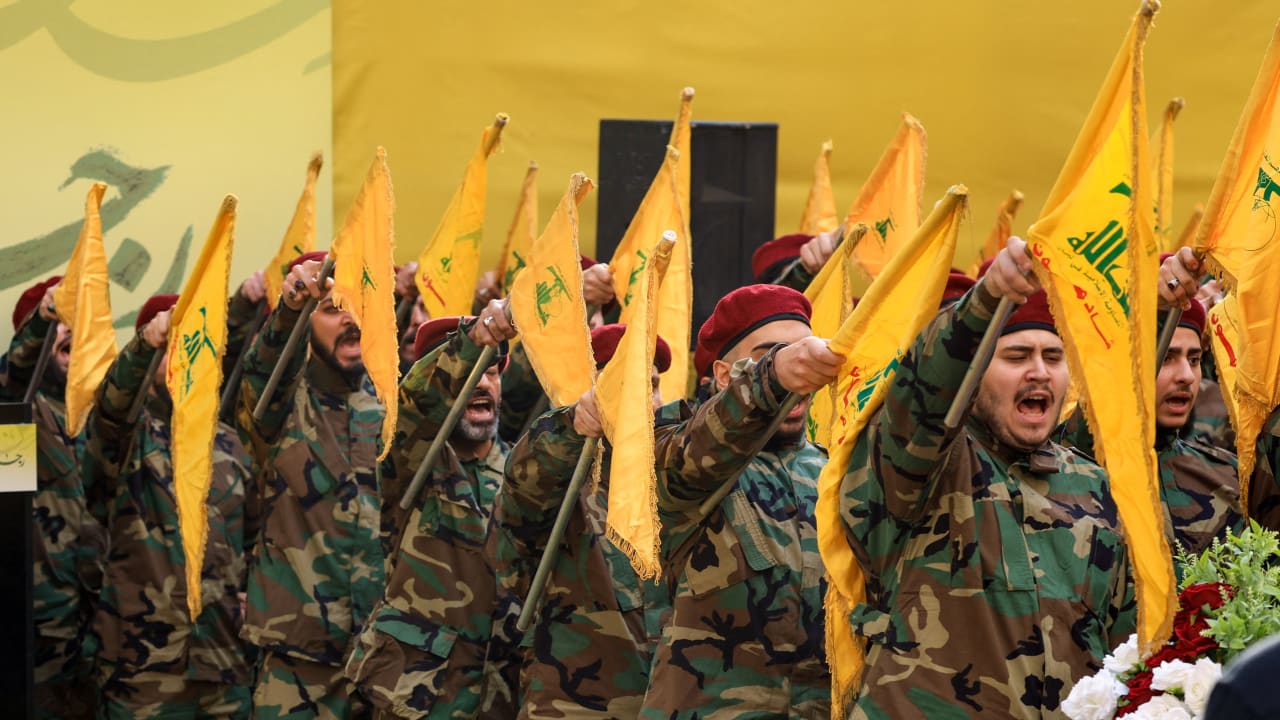
US lawmakers have introduced a bipartisan bill proposing $200 million annually in security assistance to Lebanon, with the potential to increase to $300 million each year if the country makes progress in disarming Hezbollah according to reporting by FSX Business. The legislation, titled the Lebanon Sanctions, Stabilization and Support Act, was introduced in the Senate by US Senators Jeanne Shaheen (D-New Hampshire) and James Lankford (R-Oklahoma), as detailed by Jpost.
US Senators Propose Legislation to Offer Lebanon Annual Security Aid Tied to Disarming Hezbollah
The proposed measure is designed to support the Lebanese Armed Forces and Internal Security Forces. According to The Straits Times, the bill was introduced late in the night on Aug. 6 to build upon a ceasefire between Lebanon and Israel brokered by the Trump administration and to pave the way toward a broader settlement.
Funding Breakdown and Performance Milestones
Under the terms of the legislation, the initial $200 million in yearly security assistance can eventually reach as much as $300 million annually if Beirut advances in specific areas. These benchmarks include disarming the Iran-backed group, disrupting foreign military financing to Hezbollah, intercepting weapons, and tackling the trafficking of Captagon and other illicit substances utilized by the organization.
In the first fiscal year, the package would additionally allocate specific funds for auxiliary programs:
- $25 million designated for narcotics control
- $11.5 million allocated for nonproliferation, anti-terrorism, demining, and related programs
- $3.5 million directed toward international military education and training
Furthermore, the bill authorizes the creation of an incentive fund aimed at helping the Lebanese government rebuild infrastructure and expand state-administered civil services. This fund is intended to provide communities with an alternative to depending on civil services traditionally provided by Hezbollah, thereby facilitating the integration of Lebanese Shi’ite citizens who have relied on the group.
Sanctions and Enabler Penalties
The legislation imposes strict financial penalties and restrictive measures targeting entities and individuals supporting the militant network. According to congressional details, foreign persons who enable Hezbollah’s continued armed presence, permit the transfer of Iranian funds, or thwart attempts to reform Lebanon’s financial sector will face direct punitive actions.
Enforced restrictions include:
- The blocking of property
- Prohibitions on financial transactions
- Visa ineligibility and restrictions, with specific exemptions maintained for humanitarian assistance
The bill additionally requires regular congressional reporting on Lebanon’s progress in disarming Hezbollah, reforming its banking sector, developing peaceful relations with Israel, and detailing coordination between the Lebanese Armed Forces and the Israel Defense Forces.
Political Context and Regional Stakes
Lawmakers emphasized that the legislation takes advantage of direct negotiations and a trilateral framework involving the United States, Israel, and Lebanon. For the first time in decades, Lebanon has a real chance to reclaim its sovereignty, disarm Hezbollah and break free from Iran’s malign influence, but success depends on sustained American support,
Senator Shaheen stated, as reported by EIN Presswire.

Senator Lankford noted that recent direct talks between Beirut and Jerusalem created an opening to challenge Iranian influence, adding that a sovereign Lebanon protects citizens in the region and puts pressure on militant networks. The proposal arrives amid broader economic and political pressures in Lebanon, including a banking-sector crisis, government formation challenges, and the displacement of an estimated 1.2 million people from southern Lebanon.

Global Theatrical and Digital Release Announced for NAZA
The acclaimed documentary NAZA is scheduled for theatrical distribution in cinemas across more than 50 countries, followed by...

US Mortgage Rates Top 7% For First Time in 20 Months
U.S. mortgage rates have climbed above 7 percent for the first time in 20 months, driven by surging...
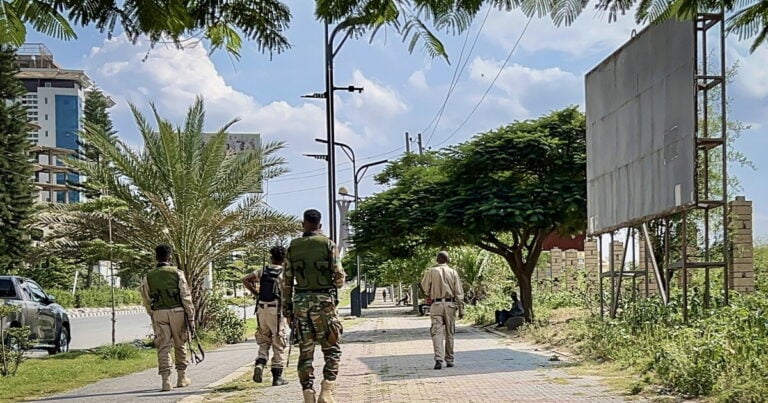
Ethiopia And Tigray Accuse Each Other Of New Offensives Shattering Peace Deal
The escalation shatters the 2022 peace agreement that ended a devastating two-year conflict in the northern Tigray region.

Gold prices retreated globally as the dollar rallied and Fed hike bets firm
Gold and silver prices retreated globally, pressured by a strengthening U.S.