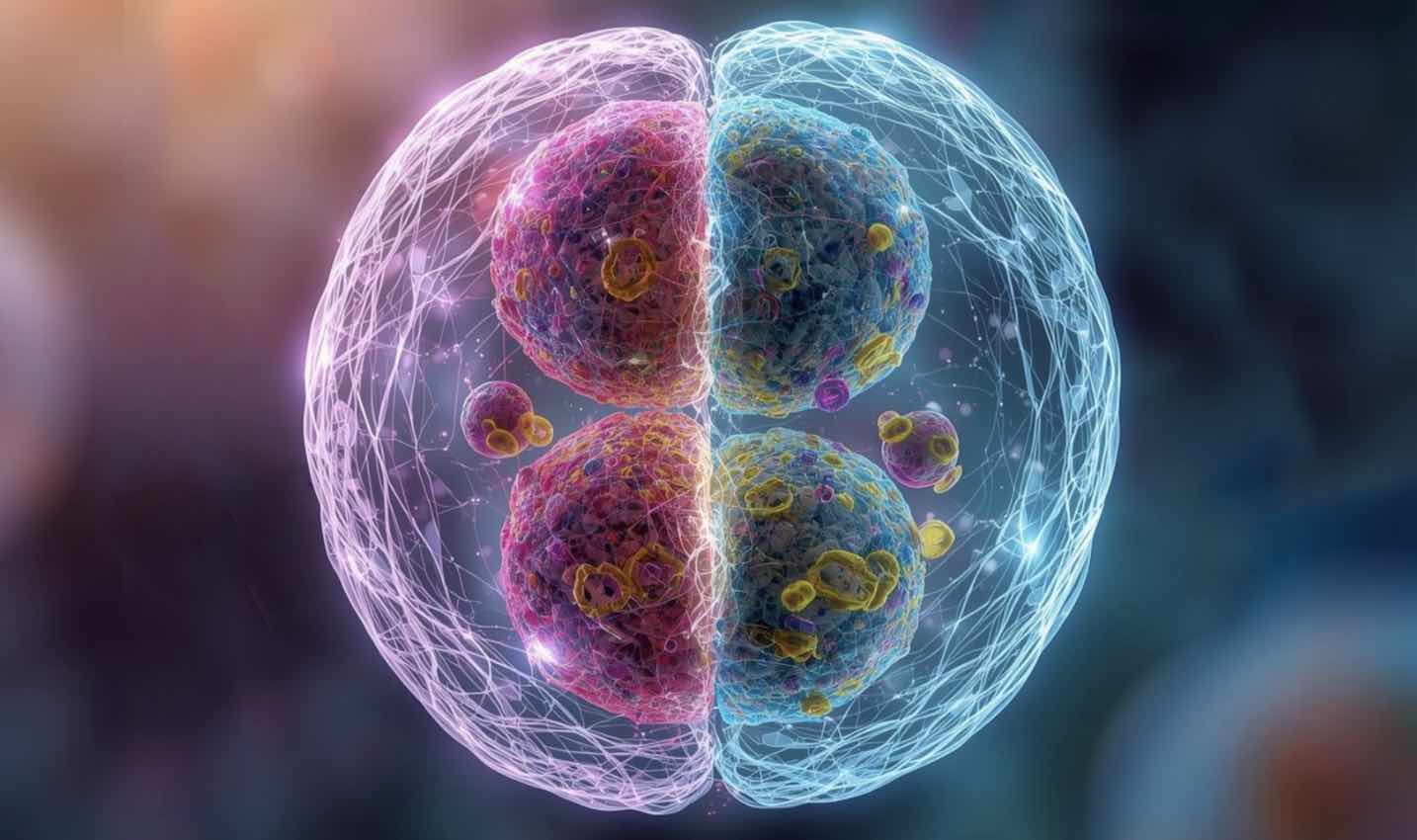
An international research team has uncovered details about the evolutionary split between bacteria and archaea, leading to a radical proposition regarding Earth’s history, according to research published in The Debrief on August 5, 2026. While scientists have historically thought that a single event sparked life on Earth roughly 4 billion years ago, the study suggests that the threshold from non-living matter to living organisms was crossed twice.
A Radical New Study Proposes Two Distinct Origins of Life
The research was led by scientists from the Institute of Molecular Evolution at Heinrich Heine University Düsseldorf (HHU). Investigators analyzed single-celled organisms, their protein structures, and the metabolic chemical reactions they use to live, concluding that the divergence between bacteria and archaea arose before they were even functioning cells.
The bacteria and archaeal lineages made the transition to the free-living state independently,
said senior author William Martin, a biologist at Düsseldorf, as reported by Iflscience. Only free-living cells are alive. Let’s call it by name: we are looking at one origin of the genetic code, but two origins of life.
Examining 420 Chemical Reactions and Environmental Metals
The researchers categorized an entire set of 420 chemical reactions involved in metabolism that produce amino acids, RNA bases, and vitamins from raw materials such as hydrogen, ammonia, and carbon dioxide. These reactions are preserved inside the genetic code, allowing the research team to reconstruct how metabolism evolved.

The team discovered that about half of the reactions in the last universal common ancestor (LUCA) were catalyzed by environmental metals instead of enzymes produced by the organism itself. Metals naturally occurring in hydrothermal vents can replace a surprisingly large number of enzymes in metabolism, according to co-author Harun Tüysüz, an inorganic chemist from the Max-Planck-Institut für Kohlenforschung and the IMDEA Materials Institute in Madrid.
These comparisons are giving us unprecedented insights into the phase of evolution when metabolism catalysed by enzymes was arising from spontaneous reactions catalysed by metals in the Earth’s crust, Martin stated
Solving the ATP Mystery With Palladium
A compound named adenosine triphosphate (ATP) serves as the primary metabolic driver in most organisms today, but ATP is far too complex to have existed before there were enzymes to make it. To solve this long-standing chicken-and-egg question regarding how early lifeforms began metabolizing without enzymes, the authors investigated alternative catalysts found in hydrothermal vents.

The researchers identified a new energy source in palladium, a natural catalyst. When reacting phosphite—a form of phosphorus that naturally occurs in hydrothermal vents—with organic compounds, the team observed metabolic phosphorylation reactions occurring overnight in water. Manon Schlikker, a PhD student involved in the study, noted that it’s amazing, and it makes early evolution a lot easier to grasp.
Ultimately, the study suggests that pioneer bacteria and pioneer archaea made their first attempts at life outside the confines of hydrothermal vents independently, evolving out of a resource-rich environment where genes made reactions happen before true cell boundaries existed.
Related reading
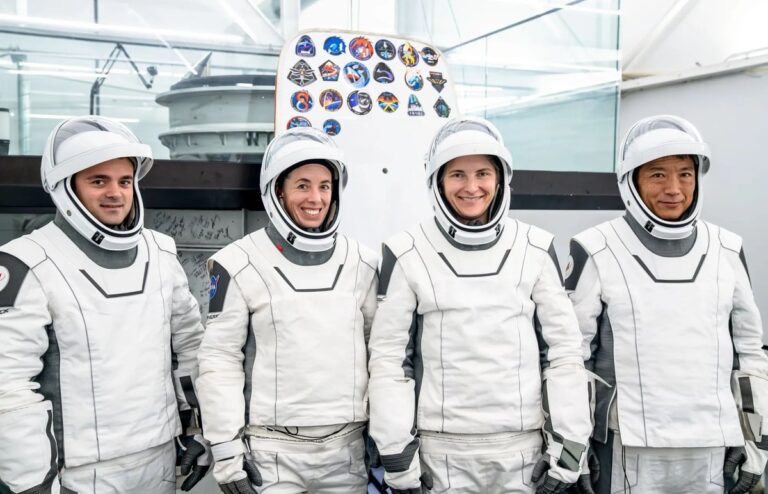
NASA Names Four Astronauts for SpaceX Crew-14 Mission to ISS
NASA has assigned four astronauts from three space agencies to the SpaceX Crew-14 mission, targeting a Falcon 9...
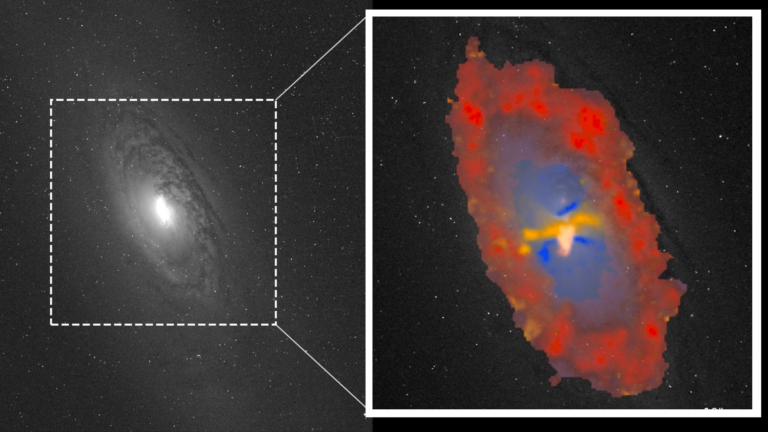
Black Hole Shock Waves Spark Star Formation in Nearby Galaxies
Astronomers studying nine local galaxies have discovered that shock waves from active supermassive black holes consistently travel perpendicular...
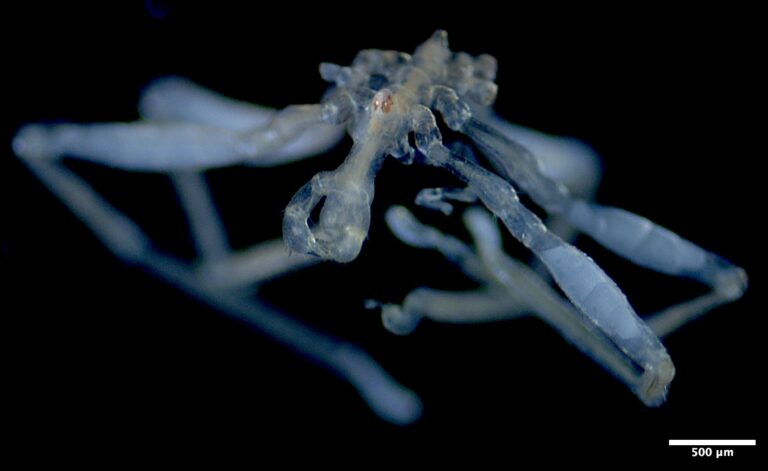
UBC Researchers Discover Two New Sea Spider Species in the Salish Sea
Researchers at the University of British Columbia have discovered two new species of sea spiders, Callipallene pilosuspedes and...

Climate Impact Lab Projects 450,000 Heat Deaths From Super El Niño
A newly released Climate Impact Lab report projects that more than 450,000 people worldwide could die from excessive...