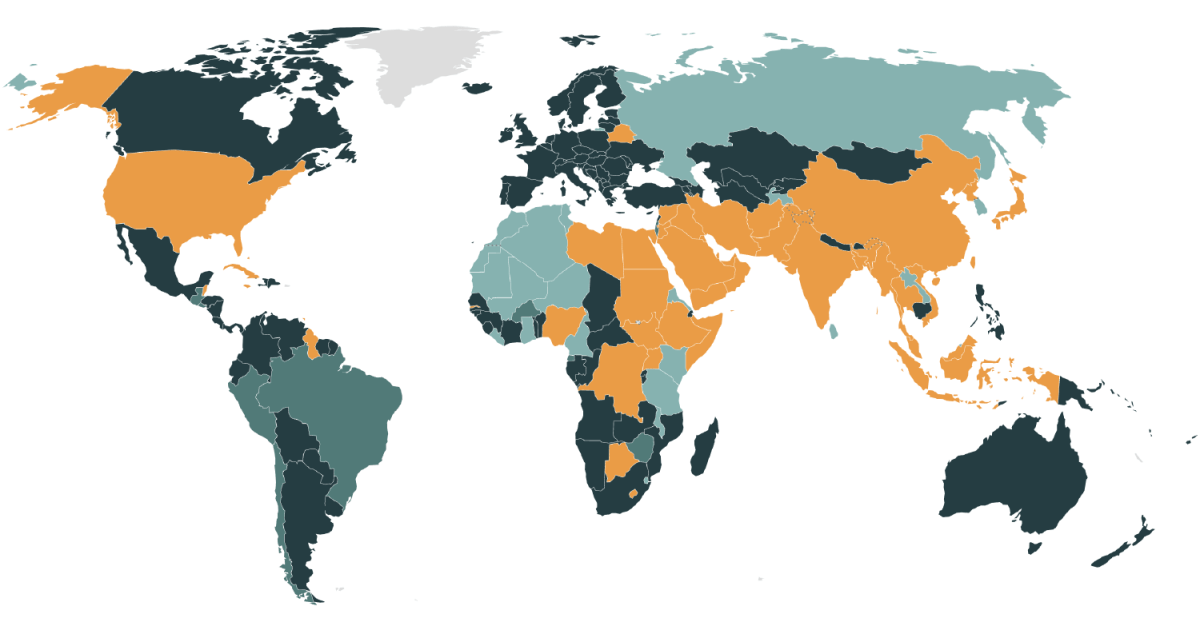
Lebanon’s parliament voted on Tuesday to abolish the death penalty, replacing existing and future capital sentences with life imprisonment accompanied by aggravated hard labor. The historic legislative move makes Lebanon the first country in the Middle East, and only the second member of the 22-nation Arab League following Djibouti in 1995, to formally end capital punishment.
Lebanon Abolishes Capital Punishment in Landmark Vote
A majority of lawmakers in the 128-seat parliament backed the measure during Tuesday’s session, with the exception of the parliamentary bloc of Hezbollah. Justice Minister Adel Nassar attended the session in parliament and hailed the decision as a historic step
for the country. Nassar noted that the previous presence of capital punishment had hindered Beirut from securing the extradition of suspects from foreign nations where the practice is outlawed.
The legislation will now proceed to the cabinet before heading to President Joseph Aoun for his signature and official approval. UN High Commissioner for Human Rights Volker Turk welcomed the development, stating, Lebanon is now the first country in the region to do so and I call on the other countries that still maintain the death penalty to follow its lead in ending this inhumane practice,
while also urging that the law be swiftly presented to the president for signature to bring it into full effect.
Formalizing a Decades-Long Moratorium on Executions
Tuesday’s parliamentary vote transforms a de facto hiatus into permanent legal protection. Lebanon had observed an unofficial moratorium on executions since January 2004, requiring a decree signed by the president, prime minister, and justice minister—none of which had been signed in over two decades.

Despite the unwritten suspension on carrying out capital punishment, Lebanese courts continually handed down new death sentences for severe offenses including murder, certain terrorism-related crimes resulting in death, treason, espionage, and offenses against state security. Human rights organizations estimated that between 75 and 85 people remained on death row at the end of last year. Under the new legal framework, all existing death sentences were converted to life imprisonment with hard labor.
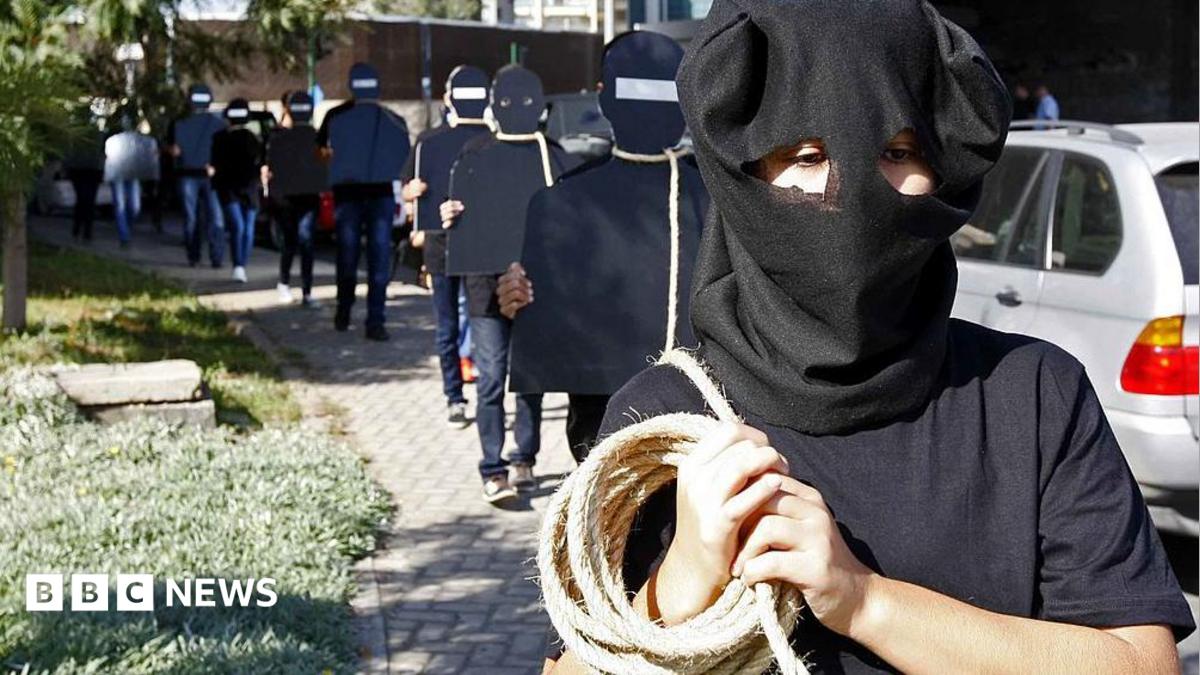
The sweeping reform follows decades of advocacy from civil society groups and legal experts. Oragit Younan, co-founder of the Lebanese Association for Civil Rights, led a campaign lasting nearly three decades to eliminate the punishment. We cannot solve a crime with a crime or end violence with violence,
Younan said. We are in a war, and people [have been] killed every day, so even in this situation, we can fight, we can struggle for human rights, and we can win. We can be a model for others.
Enforcement Challenges and Concurrent Amnesty Debates
While human rights advocates praised the vote as a vital milestone, questions remain regarding how the newly mandated sentence will be executed. Several legislators pointed out that the legislation does not yet detail how aggravated hard labor will be enforced. While hard labor is officially written into Lebanese law and past court decisions, it has rarely been implemented in recent years due to cash-strapped public resources and severely overcrowded prison facilities.
Simultaneously, the parliament has been debating a separate, controversial general amnesty law—described as the largest since the conclusion of the nation’s 15-year civil war in 1990—aimed at reducing prison congestion by potentially releasing or reducing sentences for convicted militants and drug dealers. This concurrent debate has drawn sharp public pushback. Family members of Lebanese soldiers and servicemen who were killed or attacked by Islamist militant groups have staged protests against both the amnesty bill and the abolition of the death penalty, expressing frustration that perpetrators of attacks on armed forces personnel will escape execution.
International organizations lauded the parliamentary decision. Amnesty International Regional Director for the Middle East and North Africa Heba Morayef described the vote as a major milestone and a victory for human rights,
noting that it brings Lebanon into alignment with global abolition trends. Ramzi Kaiss, a Lebanon researcher at Human Rights Watch, called the decision a monumental step for human rights in the country, representing a clear break from a cruel and arbitrary sentence that should never be imposed.
Related reading

Catania Airport Suspends Flights After Mount Etna Erupts
Catania Airport suspended all inbound and outbound flights after Mount Etna erupted, sending a four-kilometer volcanic ash plume...
Diplomats Walk Out as Benjamin Netanyahu Addresses UN General Assembly
More than 100 diplomats streamed out of the United Nations General Assembly hall on September 24, 2026, leaving...
Netanyahu Attacks Mayor Zohran Mamdani During UN General Assembly Address
Israeli Prime Minister Benjamin Netanyahu launched a sharp attack on New York City Mayor Zohran Mamdani during his...
African Leaders Demand Permanent UN Security Council Seats With Veto Power
Nigeria’s Vice President Kashim Shettima joined other African leaders at the 81st United Nations General Assembly in New...