
A social media buzz phrase known as the “luteal uglies” has captured significant attention across platforms like TikTok, where videos discussing the concept have amassed millions of views. The trend highlights the phase in a woman’s menstrual cycle when individuals report feeling less attractive, less confident, and more critical of their appearance. According to medical professionals, this period occurs during the final stage of the menstrual cycle, typically lasting between 12 and 14 days, starting after ovulation and ending the day before the next period begins.
Understanding the ‘Luteal Uglies’ Social Media Trend
The viral discussion has opened up broader conversations about female biology, with younger generations utilizing period tracker apps and wearable devices like the Oura ring to track their daily symptoms and map out each phase of their cycle.
The Science Behind Hormonal Shifts and Mood Changes
Medical experts emphasize that the feelings associated with the trend are grounded in real hormonal fluctuations rather than a significant change in physical appearance. Dr. Mariam Farshchi, a GP at Pall Mall Medical, notes that oestrogen drives the first half of the cycle, supporting skin, mood, and energy, while progesterone rises after ovulation to prepare the body for a potential pregnancy. In the days leading up to menstruation, both oestrogen and progesterone drop sharply.

Dr. Louise Newson, a GP and women’s hormones specialist, explains that this sharp drop in hormone levels can directly impact the skin, collagen, and overall complexion, often leading to drier skin, breakouts, and spots. Furthermore, Dr. Suzanne Wylie, a medical adviser for IQDoctor who has spent over a decade working in the NHS and private healthcare, states that research supports the link between menstrual cycle hormonal changes and mood, body image, and emotional wellbeing. During the late luteal phase, some women experience greater body dissatisfaction, lower self-esteem, and increased emotional sensitivity compared to other points in their cycle.
Additional physical and psychological effects reported during this two-week window include:
- Fluid retention, leading to a puffier face, general bloating, and tender, swollen breasts.
- Lighter sleep, fatigue, headaches, and trouble sleeping.
- Lower serotonin activity linked to falling hormones, which can induce feelings of being flatter or more anxious.
- Brain fog, forgetfulness, clumsiness, and a lack of motivation.
Impact on Daily Life and Professional Environments
The physical and emotional symptoms of the luteal phase can create challenges for women managing work, relationships, and daily responsibilities.
Elena, an actress and hospitality worker in London who learned about the luteal phase on social media at age 24, describes feeling lethargic and unmotivated during this time. Experts point out that these experiences are frequently dismissed as just PMS
or wrongfully labeled as being overly emotional, reinforcing widespread misconceptions about women’s health.
Coping Strategies and the Need for Education
Experts emphasize that the luteal phase is a normal part of a healthy cycle and not something women can simply “snap out of.” Specialists recommend maintaining a steady skincare routine, staying hydrated, and prioritizing sleep to help ease the effects. However, if symptoms become severe, persist beyond the period, or regularly affect work and relationships, medical professionals advise speaking to a GP to assess for conditions such as premenstrual syndrome (PMS) or premenstrual dysphoric disorder (PMDD).

Many women and experts agree that a fundamental lack of formal education regarding reproductive health leaves individuals relying on social media and digital platforms to understand their own bodies.
Keep reading

Pennsylvania Measles Outbreak Reaches 890 Cases Amid Federal Dispute
Pennsylvania health officials reported 55 new measles cases since Wednesday, bringing the state's total to 890 confirmed infections...

WHO Recommends Influenza Vaccine Composition for 2027 Southern Hemisphere
The World Health Organization announced its influenza vaccine composition recommendations for the 2027 southern hemisphere season following an...

LEAD Consortium Launches First Nationwide Study on Paradoxical Lucidity
An international consortium called LEAD is launching a nationwide study dedicated to investigating paradoxical lucidity in dementia patients,...
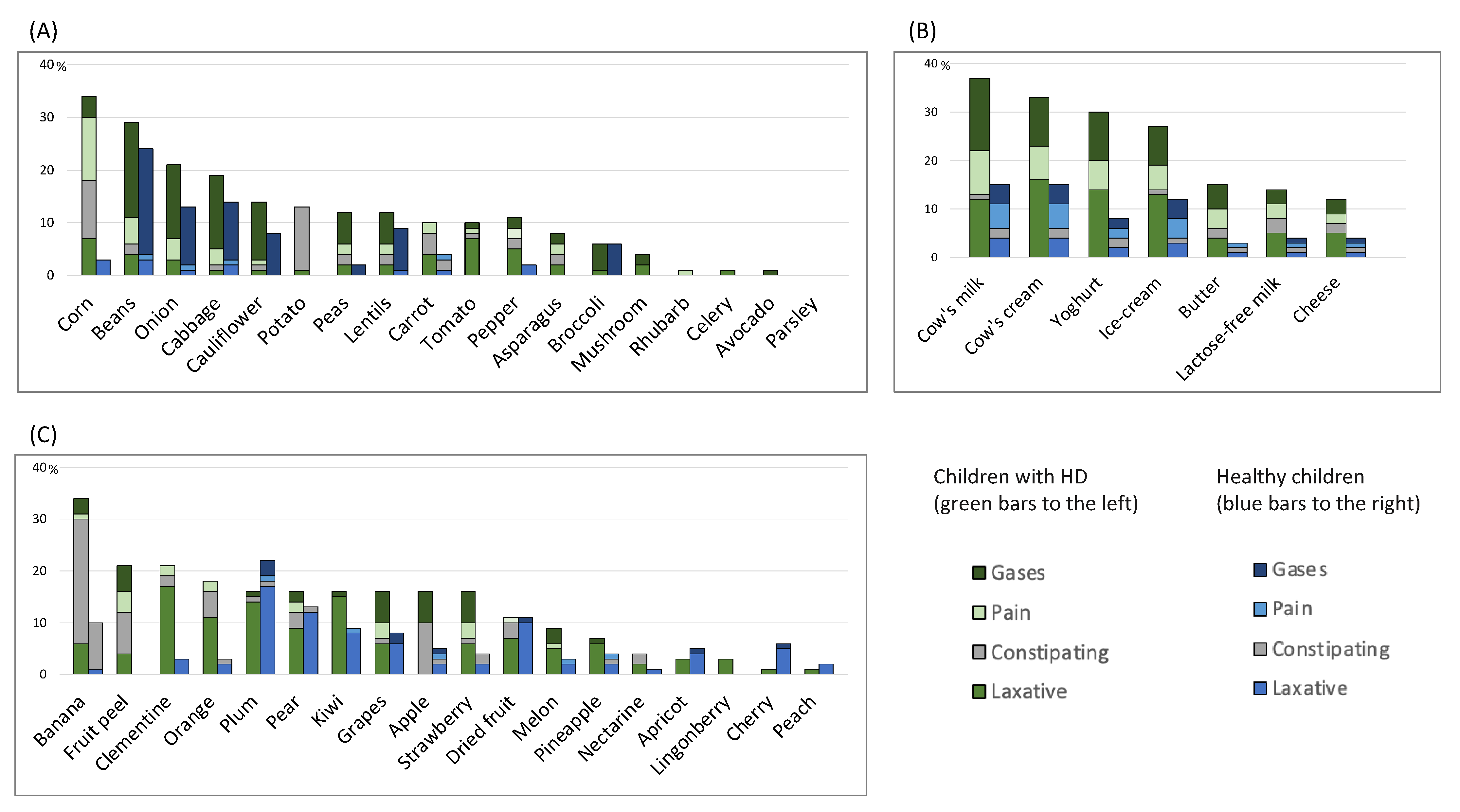
CHOP Researchers Find Dietary Changes Triple Survival in Hirschsprung Model
Researchers at the Children's Hospital of Philadelphia and international partners discovered that altering standard diets in a preclinical...