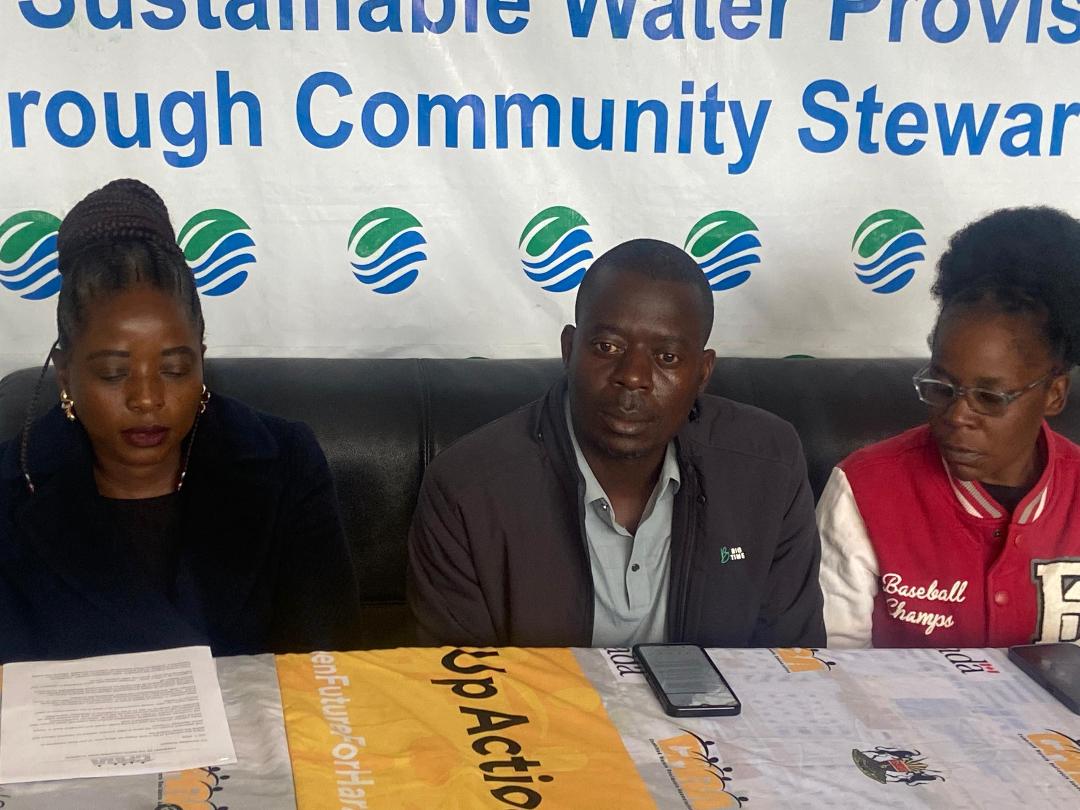
Contamination of the Upper Manyame Catchment and Lake Chivero has reached a point where activists argue current enforcement is dangerously ineffective.
Industrial Effluent and Regulatory Failures
The Combined Harare Residents Association (CHRA) reports that the city’s water sources are under constant threat from industrial non-compliance and systemic infrastructure collapse. According to CHRA Director Reuben Akili, many companies are violating the Environmental Management Act, Chapter 20:27, Section 59, by failing to install or utilize pre-treatment facilities before discharging waste into municipal sewers.
Beyond industrial discharge, the city’s aging sewer systems in areas such as Crowborough, Firle, and Chitungwiza are in a state of "massive deterioration," according to CHRA. The accumulation of waste not only degrades the water quality but also severely complicates the purification process at the Morton Jaffray Water Treatment Works, which serves the majority of the capital’s population.
The High Cost of Pollution for Residents
The ongoing environmental degradation has direct financial and health consequences for the population.

Activists argue that the current penalty system for polluters is insufficient to deter illegal activity. Because fines are often low, many companies find it more economical to pay nominal fees than to invest in mandatory waste-treatment infrastructure. This economic reality creates a cycle where the cost of environmental cleanup is effectively shifted onto the ratepayer rather than the polluter.
“In Zimbabwe, it is often cheaper for industries to pollute rather than comply with environmental water laws,” said Mable Murambiwa, CHRA programmes manager.
Institutional Framework and Regulatory Oversight
The regulatory landscape governing water in Zimbabwe involves multiple stakeholders, including the Environmental Management Agency (EMA), the Zimbabwe National Water Authority (ZINWA), and the Harare City Council. Critics, including those within the residents’ associations, point to a lack of coordination between these bodies as a primary barrier to solving the crisis. While EMA is tasked with monitoring and enforcing environmental standards, the physical infrastructure—the sewer pipes and treatment plants—falls under municipal jurisdiction.
The Environmental Management Act provides the legal basis for the prosecution of entities that discharge hazardous substances into the environment. However, the practical application of these laws has been hampered by limited inspection capacity and legal backlogs. When industrial waste enters the sewer system, it often damages the biological processes within the treatment plants, rendering them unable to process domestic sewage effectively. This creates a cascading failure that exacerbates the pollution levels in the Manyame River system, which feeds directly into the city’s primary reservoirs.
Proposed Legal and Institutional Reforms
To address these challenges, residents’ associations are lobbying for a comprehensive overhaul of Zimbabwe’s water governance. The current framework is described as fragmented, with overlapping institutional mandates and weak enforcement mechanisms that prevent effective pollution control.
CHRA has proposed a Model Statutory Instrument based on the “polluter pays” principle, which aims to ensure that companies meet the full costs of environmental restoration. Meanwhile, the Zimbabwe United Residents and Ratepayers Alliance (ZURRA) has called for Parliament to expedite the harmonization of water and environmental laws, noting that pollution has become a national issue affecting all seven of the country’s catchment areas.
Legislative Priorities for Water Security
- Expedite Amendments: Urgent updates to the Environmental Management Act, the Water Act, and the Zimbabwe National Water Authority Act to reflect modern industrial challenges.
- Strengthen Penalties: Ensure fines are commensurate with environmental damage and the cost of remediation to remove the financial incentive for non-compliance.
- Improve Oversight: Resolve institutional overlaps between the City of Harare, ZINWA, and the EMA to ensure consistent enforcement and accountability.
Public Health Warnings and Future Risks
As the crisis persists, residents are being cautioned against purchasing fish caught in Lake Chivero due to high levels of contamination. The situation has drawn comparisons to historical public health challenges in other regions of Zimbabwe.

While those concerns were specific to rural sanitation gaps, the current urban crisis in Harare reflects similar risks tied to the failure of basic water and sewer services. The presence of pathogens in untreated sewage poses a constant, elevated risk of waterborne disease outbreaks in densely populated urban centers where access to reliable, treated piped water is inconsistent.
Looking ahead, the pressure on Parliament to act remains the primary avenue for change. Residents’ groups have signaled they will continue public awareness campaigns to keep the issue at the forefront of the legislative agenda, emphasizing that the right to safe, potable water is a constitutional guarantee under Sections 73 and 77 of the Constitution of Zimbabwe. For now, the reliance on borehole water as an alternative source continues to grow, though experts warn that even groundwater sources face contamination risks if sewage leaks are not contained.
Find more reporting in our News section.

Quntis Monitor Light Bar Glow Features RGB LEDs and Ultrawide Support
The Quntis Monitor Light Bar Glow introduces a 20.1-inch metallic gray lighting system featuring an 88-front LED task...

Police Hunt Roommate After Waitress Jovia Namuwulya Murdered in Bukoto
Police in Kampala are investigating the murder of 22-year-old waitress and TikTok content creator Jovia Namuwulya, whose body...

US and Botswana Forces Enhance Planning During Exercise Southern Accord 2026
Exercise Southern Accord 2026 concluded on August 15 at Gaborone Technical College in Botswana, uniting military personnel from...

China Recalls Millions of Teslas Over Flush Door Handles
Minimalist electronic door latches and flush exterior handles have defined the modern electric vehicle aesthetic since Tesla popularized...