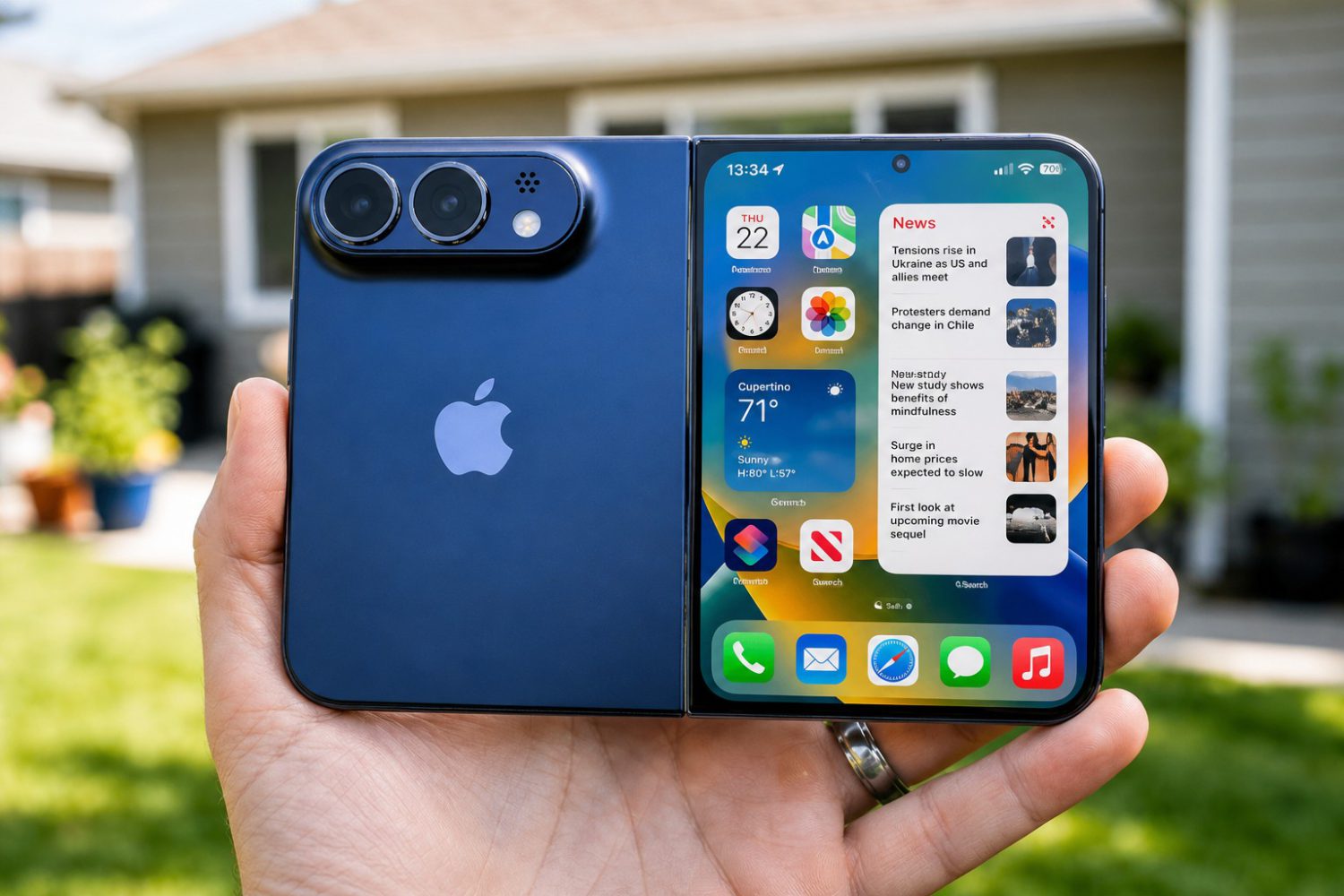
Apple’s first foldable iPhone, rumored as the iPhone Ultra, has impressed early internal testers with its pocket-friendly design, durable liquid metal hinge, and iPad-like app layouts ahead of a potential September 2026 debut, though reviewers reportedly expressed disappointment over a missing telephoto lens and the absence of Face ID.
For years, a foldable Apple device lived comfortably in the realm of industry speculation and rival punchlines. That narrative shifted as internal testers at Apple spent time hands-on with the device, sharing their impressions with Bloomberg’s Mark Gurman.
Pocket-Friendly Form Factor and Advanced Hinge Durability
Testers highlighted the device’s physical dimensions and build quality as major early wins. When closed, the iPhone Ultra features a passport-style form factor roughly 4.5mm thick when open, allowing it to slide into a pocket with surprising ease according to Gurman’s sources. When unfolded, it reveals a nearly crease-free 7.8-inch internal display accompanied by a 5.5-inch cover screen as detailed in recent reports.
The engineering behind the folding mechanism also earned strong marks. The device utilizes an advanced hinge built with liquid metal, or amorphous metallic glass, designed to endure hundreds of thousands of open-close cycles based on early engineering data. Testers singled out the feel and durability of the advanced hinge mechanism
for high praise, validating years of hardware development as reported over the weekend.
Software Layouts and Camera Viewfinder Capabilities
Beyond the hardware mechanics, the software utilization of that expansive internal display proved a hit. While it runs standard iOS rather than full iPadOS, testers found the interface genuinely useful rather than gimmicky in daily use.

Unfolded, that flexible inner screen also transforms into a near-monitor-sized composition canvas. Testers noted that the device excels as a camera viewfinder, ranking among the top-cited positive experiences during internal testing alongside solid performance across gaming and productivity.
Camera Omissions and Biometric Trade-Offs
Despite the glowing praise for portability and screen real estate, early reviewers flagged two significant drawbacks that could complicate purchasing decisions for premium buyers. First, the device ships with a dual-camera setup consisting only of a main camera and an ultra-wide lens, leaving out the telephoto lens standard on most flagship devices as leaked renders and reports confirm.
Gurman observed that the Venn diagram of people willing to spend top dollar on an early-adopter product and those who appreciate advanced camera capabilities — including deeper zoom — is probably pretty close to a circle
highlighting a potential hurdle for upgraders.
The second major departure is the omission of Face ID. Apple’s foldable relies instead on side-mounted Touch ID integrated into the power button, a change that disappointed users accustomed to facial recognition per internal tester feedback.
Pricing Pressures and Launch Expectations
Apple is expected to officially unveil the device at its annual fall event in September 2026, potentially alongside the standard iPhone 18 Pro lineup with retail shipping potentially sliding toward December. Industry observers note that the iPhone Ultra will likely be available in limited supply at launch due to early production constraints.

At the same time, rising memory costs continue to pressure hardware pricing across the industry.
Worth a look

Koofr Offers 1TB Lifetime Cloud Storage for $129.99 via StackSocial
Shoppers seeking alternatives to recurring cloud storage expenses can secure one terabyte of Koofr cloud storage for a...
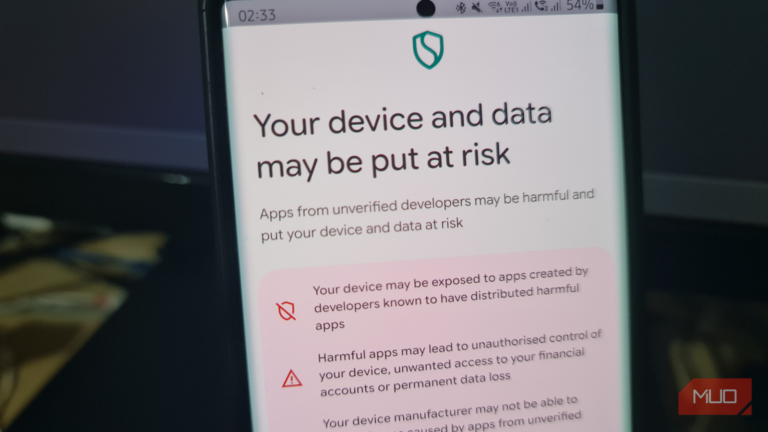
Google Rolls Out Android Sideloading Verification in Pilot Countries
Google has rolled out its Android sideloading verification system in four pilot countries, requiring developers of apps on...

Imperial Knights Star in New Black Library Novel Throne Questoris
Black Library has unveiled a new novel titled Throne Questoris by Victoria Hayward, placing Imperial Knights at the...

Amazon Shuffles Alexa Leadership Following Premium Tablet Launch
Amazon debuted three Android-powered Alexa tablets on October 8, 2026, shifting from its budget-friendly Fire lineup to a...