
Funeral Procession for Ayatollah Ali Khamenei Enters Iraq
The funeral procession for Iran’s late supreme leader, Ayatollah Ali Khamenei, has moved into Iraq as part of a six-day ceremony following his death in late February. The 86-year-old leader was killed during wide-scale U.S. and Israeli airstrikes that initiated the current war.
Following days of commemorations in Tehran, the coffin arrived at Najaf International Airport on Tuesday evening. It was met by an official reception that included Iraqi Prime Minister Ali al-Zaidi, senior officials, and religious leaders. On Wednesday, thousands of mourners gathered in Najaf, a city of immense significance to Shiite Muslims as the burial place of Imam Ali. The procession then traveled to the holy city of Karbala before its planned return to Iran for final burial.
Escalating Military Tensions
The funeral ceremonies occur against a backdrop of intensifying military conflict in the Persian Gulf. On Tuesday, an exchange of fire occurred in the Strait of Hormuz after Iran reportedly struck three ships. The U.S. military responded with strikes on the southern Iranian coastline early Wednesday, which were followed by Iranian counter-attacks on U.S. military bases in Bahrain and Kuwait.
These skirmishes have threatened the viability of a memorandum of understanding (MOU) intended to facilitate peace talks. Experts warn that the failure of confidence-building measures, combined with the recent revocation of a U.S. sanctions waiver on Iranian oil exports, has brought the agreement to the brink of collapse.
“Iran believes the US wants to use it to gain control of the strait from Tehran – and if that is the case, Iran must be prepared to go to war over this issue,” said Vali Nasr, author of *Iran’s Grand Strategy*.
The Struggle Over the Strait of Hormuz
At the heart of the diplomatic impasse is the control of the Strait of Hormuz. Iranian foreign ministry spokesperson Esmail Baghaei stated that the MOU guaranteed continued Iranian control of the strait for at least 60 days. Iran views recent U.S.-Omani efforts to establish a new southern shipping route as an interference in its business and a violation of the agreement.
Conversely, the U.S. maintains that the reopening of the strait was the primary objective of the MOU and that Iran never held a veto over shipping routes. Analysts suggest the sequencing of the deal remains a primary obstacle.
“Iran does not want to cede its leverage over the strait before a broader deal is reached on US economic relief,” said Ellie Geranmayeh of the European Council on Foreign Relations. “For Trump, the reopening of the strait is the heart of the MOU and without it he will be under immense pressure from Republican hawks to resume war with Iran.”
The Political Atmosphere
The atmosphere in the region remains highly charged. During a press briefing in Tehran, Baghaei characterized the death of the supreme leader as a turning point in the history of Shia Islam, comparing Khamenei to the martyred Imam Hussain. Meanwhile, in Iraq, mourners waved Iranian and Iraqi flags, joined by supporters of Iran-backed militias, while chanting slogans against the United States and Israel.
Amidst the funeral proceedings, the political succession in Iran remains in flux. Ayatollah Mojtaba Khamenei, the new supreme leader, has not appeared at the funeral ceremonies. He is reportedly in hiding after being wounded in the same airstrike that killed his father.
While some observers hold out hope that recent diplomatic tensions may dissipate, others fear that military leaders on both sides are increasingly dictating the path forward. With the U.S. having revoked its oil sanctions waiver—the only tangible benefit Iran had received from the MOU—the risk of a full breakdown in the interim agreement remains high.
Find more reporting in our News section.
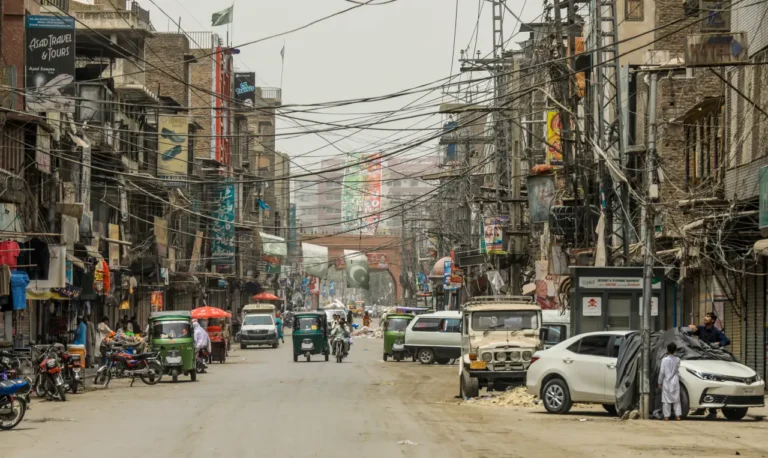
Pakistan Imposes Emergency and Governor’s Rule in Khyber Pakhtunkhwa
Pakistan declared a state of emergency in Khyber Pakhtunkhwa on Sunday, October 11, 2026, suspending the provincial government...
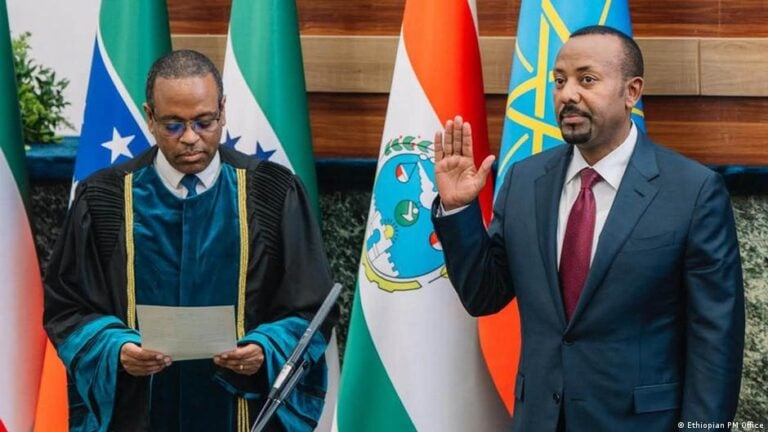
Abiy Ahmed Sworn In as Prime Minister With Focus on Red Sea Access
Prime Minister Abiy Ahmed was sworn into a new five-year term on Monday, October 5, 2026, following his...
Pope Leo XIV Rejects Death Penalty as Attack on Human Dignity
Pope Leo XIV has rejected the death penalty as an attack on human dignity, posting on X that...
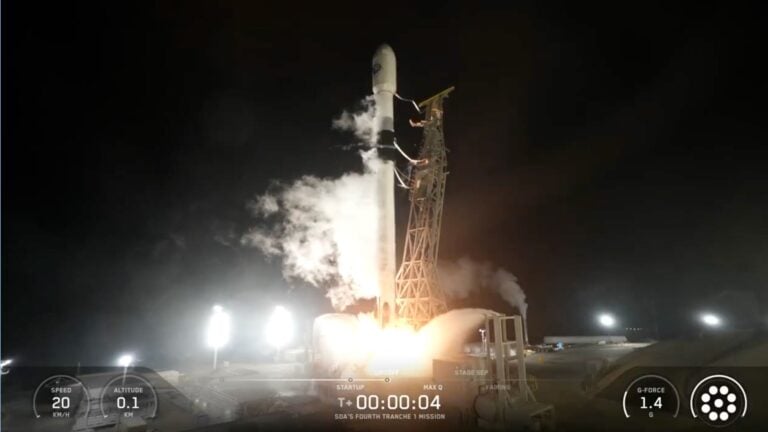
SpaceX Launches 21 U.S. Space Force Satellites After Delay
Following a five-day delay from an earlier countdown abort, a SpaceX Falcon 9 rocket successfully launched 21 data...