FIFA Rejects France’s Appeal, Maintains Olise’s Yellow Card
FIFA has confirmed it will not overturn Michael Olise’s yellow card from France’s 1-0 World Cup win over Paraguay, leaving the Bayern Munich winger one booking away from a potential suspension in the tournament’s semifinals. The decision, announced on Wednesday, means Olise will face Morocco in the quarterfinals with a yellow card already on his record. If he receives another caution during the match, he will be suspended for the semifinal, should France advance.

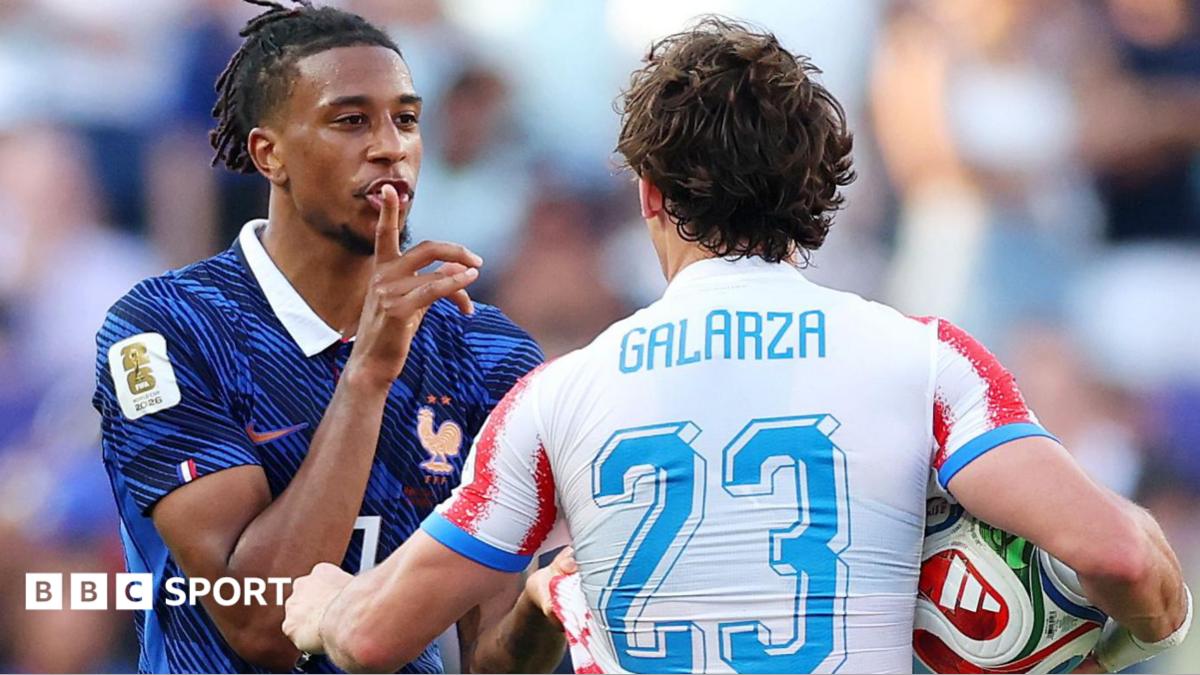
France’s appeal argued that the booking was unjust, citing replays showing Olise only grabbed Paraguay midfielder Matías Galarza’s shirt without making contact with his face. French Football Federation (FFF) officials had hoped the decision would be reversed ahead of the crucial encounter against Morocco. However, FIFA upheld the original ruling, as confirmed by France manager Didier Deschamps during a press conference. “The yellow card has not changed. We were notified by FIFA this morning, it has been maintained,” Deschamps said, according to multiple reports.
Context of the Paraguay Match and Olise’s Role
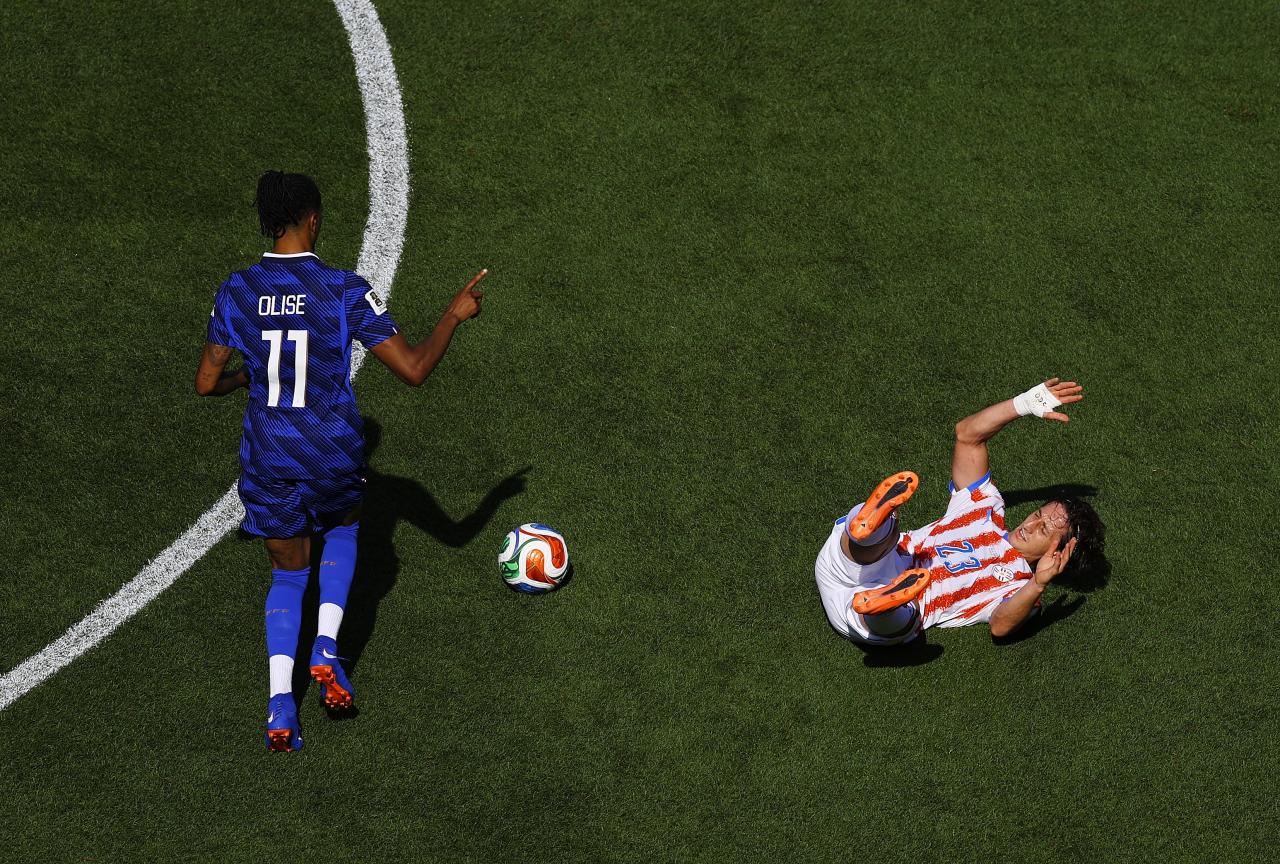
The yellow card was issued in stoppage time during France’s last-16 clash with Paraguay in Philadelphia. The incident occurred after Olise and Galarza exchanged words, with Galarza falling to the ground. While Paraguay’s players and some pundits claimed Olise had struck Galarza’s face, replays indicated otherwise. The FFF argued the booking was an error, but FIFA’s decision suggests the referee’s judgment stood.
His performances, including two “Player of the Match” awards, have drawn comparisons to legends like Thierry Henry. However, his upcoming match against Morocco now carries added pressure, as he must avoid further disciplinary issues to remain available for potential semifinal action.
Implications for France’s Morocco Clash
The decision places Olise in a precarious position ahead of France’s quarterfinal against Morocco. Should the match become physically intense, Deschamps may need to manage Olise’s minutes carefully to prevent a second yellow card.
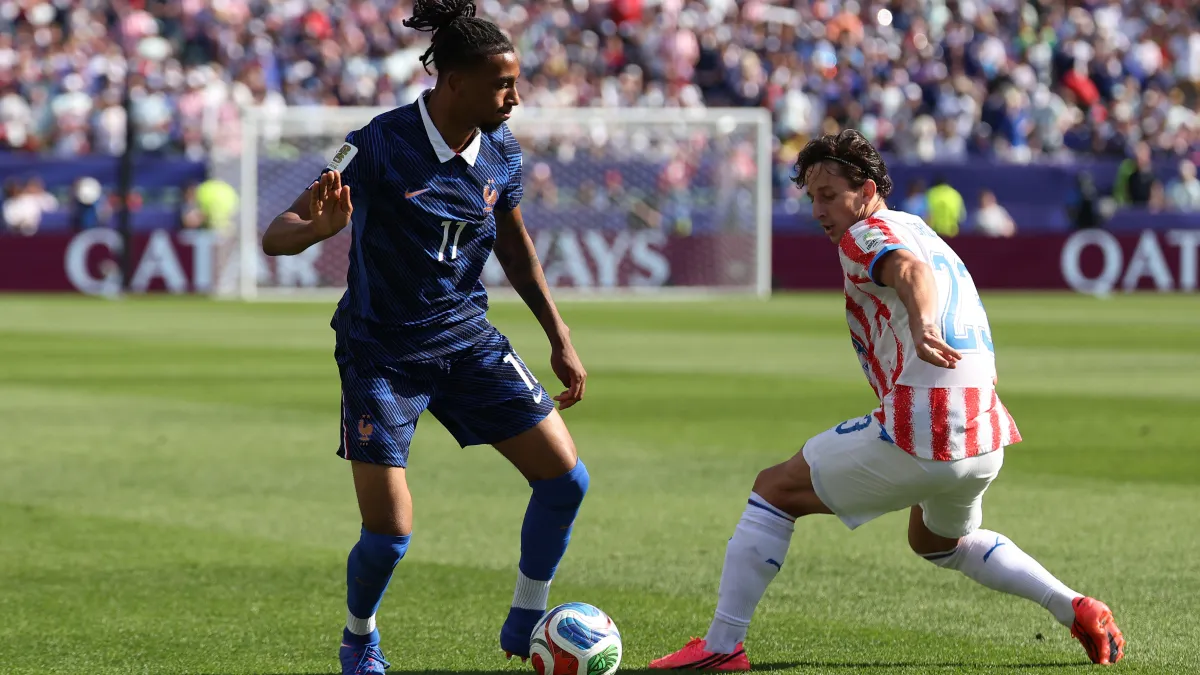
For Morocco, Olise’s suspended status could influence their tactical approach. The Atlas Lions, aiming to become the first African team to reach two consecutive World Cup semifinals, will likely target France’s attacking players. However, Morocco itself faces its own challenges, including the absence of midfielder Ismael Saibari, who is undergoing rehabilitation and may not feature in the match.
Broad Disciplinary Context and FIFA’s Consistency
The rejection of France’s appeal comes amid broader scrutiny of FIFA’s disciplinary decisions. Unlike the Balogun case, FIFA did not intervene in Olise’s situation, highlighting the subjective nature of officiating decisions.
Referee Ilgiz Tantashev, who officiated the Paraguay match, has faced mixed reactions. Former England goalkeeper Joe Hart called Paraguay’s behavior “way too far,” while pundit Thomas Hitzlsperger criticized the referee’s performance. Despite these remarks, FIFA’s decision underscores its commitment to upholding on-field judgments, even in contentious matches.
Stakes for France and the Tournament’s Final Stages
France’s quest for a third consecutive World Cup semifinal hinges on navigating this disciplinary challenge. However, Olise’s potential suspension adds a layer of complexity to Deschamps’ planning.
The Morocco match, scheduled for Thursday at Boston Stadium, represents a pivotal test for France. A win would set up a semifinal against either Spain or Belgium, while a loss would end their campaign. For Morocco, the game is a chance to build on their historic run, though their own defensive challenges—such as the absence of Saibari—could impact their strategy.
As the tournament enters its final stages, the focus remains on how teams balance aggression with discipline. For Olise and France, the next 90 minutes will determine whether they can avoid a costly suspension and continue their pursuit of World Cup glory.
Find more reporting in our News section.
Worth a look

Quntis Monitor Light Bar Glow Features RGB LEDs and Ultrawide Support
The Quntis Monitor Light Bar Glow introduces a 20.1-inch metallic gray lighting system featuring an 88-front LED task...
Police Hunt Roommate After Waitress Jovia Namuwulya Murdered in Bukoto
Police in Kampala are investigating the murder of 22-year-old waitress and TikTok content creator Jovia Namuwulya, whose body...
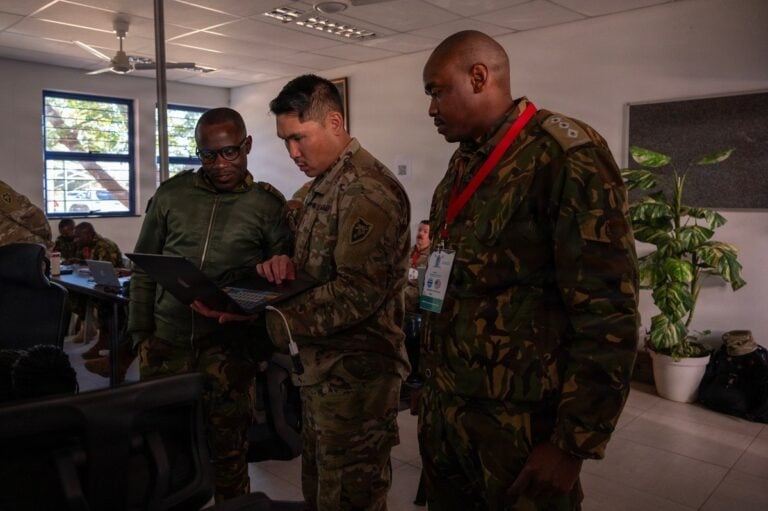
US and Botswana Forces Enhance Planning During Exercise Southern Accord 2026
Exercise Southern Accord 2026 concluded on August 15 at Gaborone Technical College in Botswana, uniting military personnel from...

China Recalls Millions of Teslas Over Flush Door Handles
Minimalist electronic door latches and flush exterior handles have defined the modern electric vehicle aesthetic since Tesla popularized...