Music created primarily by artificial intelligence has been barred from Australia’s official music charts under a new code introduced by the Australian Recording Industry Association. The policy, taking effect this week, requires all charting releases to be substantially human-made following controversies over AI-generated vocals and drum tracks topping local charts.
The Madonna Cover That Triggered Australia’s Chart Ban
Australia’s decisive policy shift arrives in the wake of a major chart controversy involving a heavily AI-assisted cover of Madonna’s classic hit Like A Prayer. The track, produced by Australian DJ Josh Fawaz, climbed to the top of the Australian dance singles chart and peaked at number two on the country’s overall music chart. The commercial radio staple amassed more than 48 million streams on Spotify alone before scrutiny intensified. Fawaz ultimately added generative artificial intelligence credits to the release following a public backlash.
New Rules from the Australian Recording Industry Association
Under the updated code implemented by the Australian Recording Industry Association, music must now be substantially human made to qualify for official chart placement. Wholly synthetic tracks and songs utilizing artificial intelligence to generate the entirety or the primary portion of their creative elements are strictly excluded from the ARIA Charts. Under new rules in force from Friday, music must be substantially human made
in order to be eligible, the Australian Recording Industry Association (ARIA) said. Wholly AI-generated tracks will not be eligible for the ARIA Charts,
the group said. While generative technology cannot handle the foundational creative weight, human artists must write the compositions while performing the lead vocal tracks and primary instruments. Producers remain permitted to use artificial intelligence tools in a supporting capacity, including mastering, drum machines, and auto-tune. Recordings that use generative AI in a supporting role remain eligible. Furthermore, the updated guidelines bar music that raises stream or chart manipulation concerns. Artists submitting tracks for chart consideration face mandatory disclosure requirements regarding any artificial intelligence usage. ARIA retains the authority to retrospectively adjust chart positions if it later emerged that a track was largely generated by machines, and may request the return of Number One awards if a disqualified track reaches the top. Artists and their representatives will be able to challenge their exclusion.
Industry Stakes and Global Music Standards
According to ARIA chief executive Annabelle Herd, local musicians are competing for audience attention in the most crowded market in history, and the organization is not interested in promoting or celebrating the success of AI-generated music that does not contain human artistry
.
“These changes reflect our intent to remain dynamic and promote the human nature of artistry in what is, to say the least, a rapidly developing space.”
Annabelle Herd, chief executive of the Australian Recording Industry Association
Herd emphasized that while artists already incorporate technological tools into their daily workflows, wholesale generation by services built on uncompensated artist recordings represents a fundamentally different threat. A chart that rewards unlicensed AI output would undercut the very basis of the recorded music we exist to represent,
Herd stated (as detailed by the Inquirer).
The Australian directive aligns with broader international music industry strategies. Sweden instituted a similar chart ban earlier in the year. Meanwhile, the International Federation of the Phonographic Industry announced in July that AI guidelines would be rolled out in Latin America, the Middle East, Africa, and Southeast Asia for use in their official charts.
Peking Duk and Domestic Creative Backlash
Among the artists supporting the move are Australian electronic act Peking Duk. Last month, they shared an artificial intelligence-assisted version of their 2014 hit High on Instagram with a pointed caption reading: When you re-record your own song with AI so Australian radio will play it.
Band member Adam Hyde told Channel Nine’s Today show that synthetic generation was removing the human experience from life
. The debate also connects to wider governmental policy discussions; in July last year, Australian Prime Minister Anthony Albanese promised the strongest possible protection
from AI for Australian creatives, pledging that writers and musicians would be able to choose if and how their work was used in the training of AI and calling it “theft” if creatives lost that control and were not paid for its use.

Google Rolls Out Android Sideloading Verification in Pilot Countries
Google has rolled out its Android sideloading verification system in four pilot countries, requiring developers of apps on...
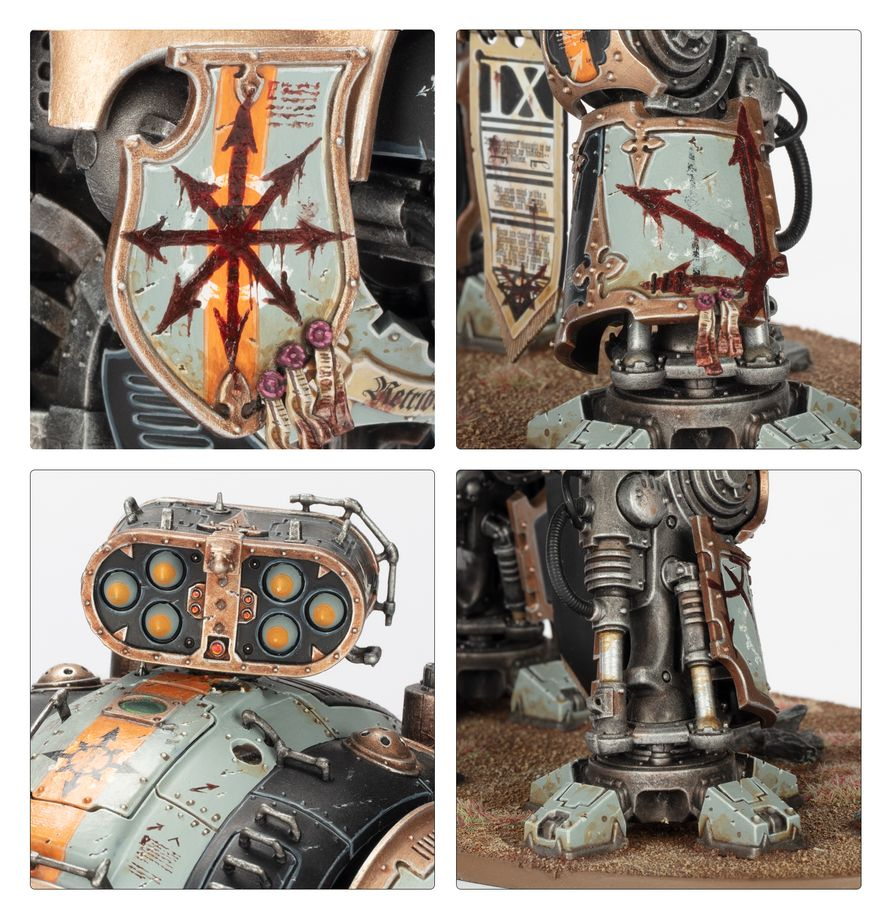
Imperial Knights Star in New Black Library Novel Throne Questoris
Black Library has unveiled a new novel titled Throne Questoris by Victoria Hayward, placing Imperial Knights at the...

Amazon Shuffles Alexa Leadership Following Premium Tablet Launch
Amazon debuted three Android-powered Alexa tablets on October 8, 2026, shifting from its budget-friendly Fire lineup to a...
Triumph Launches New 350cc Modern Classics
Triumph Motorcycles has launched the new Bonneville T40 and Bonneville T4 in India, expanding its 350cc modern-classic lineup...