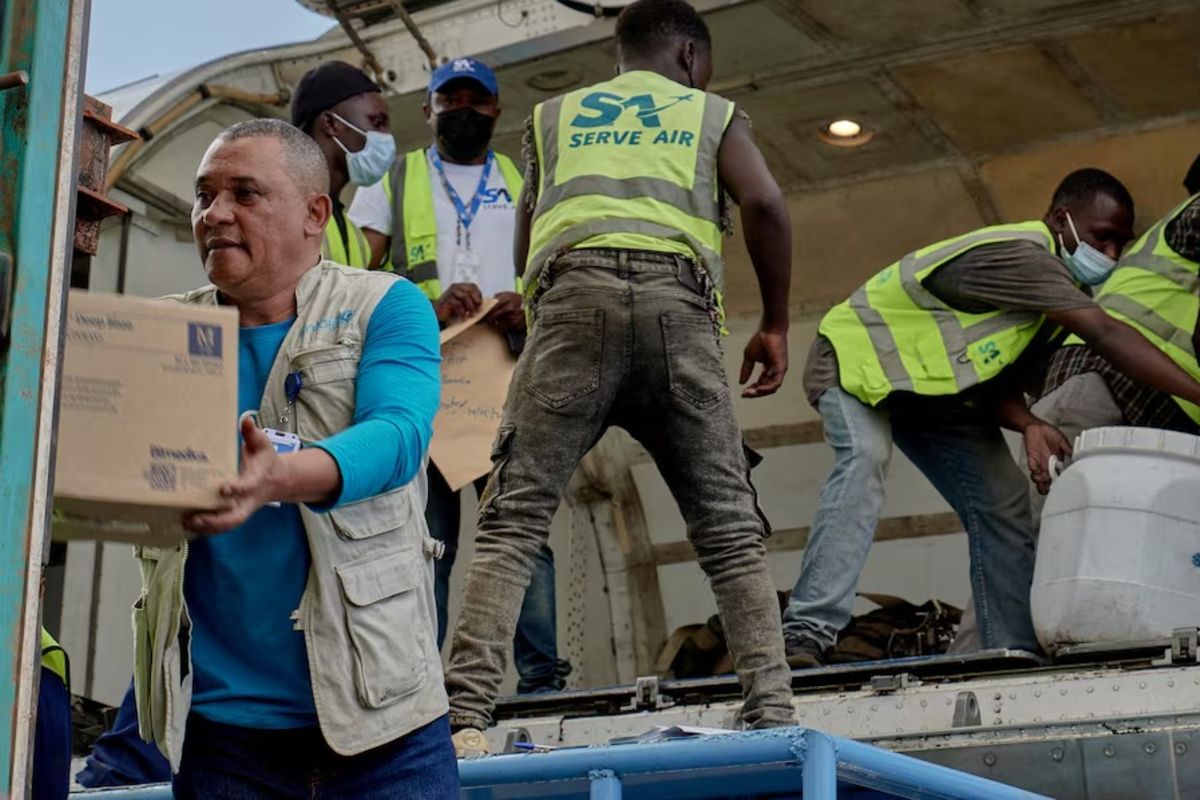
Congo received 16,250 doses of the Ervebo Ebola vaccine at Kinshasa’s N’djili International Airport late Friday, marking the arrival of the first batch from a 70,000-dose allocation by the World Health Organization and partners as the country battles its largest and fastest epidemic on record.
The current public health emergency in the Democratic Republic of Congo has surpassed previous historical markers, driven by the rare Bundibugyo virus. The World Health Organization confirmed that 70,000 doses of Merck’s Ervebo vaccine for Ebola were allocated through the International Coordinating Group on Vaccine Provision after a formal request from the Congolese government.
Arrival of the First Vaccine Shipment in Kinshasa
The initial delivery of 16,250 doses touched down late Friday at N’djili International Airport in the capital, Kinshasa, according to the country’s health minister. Additional shipments from the initial 70,000-dose allocation are scheduled to arrive early next week. The rapid deployment comes as the nation’s 17th Ebola epidemic continues to strain local health infrastructure.
Government data shows that total confirmed cases have now exceeded 5,000. As of Friday, the outbreak has recorded 2,516 deaths out of 5,290 confirmed cases, pushing the death toll past the devastating 2018–2020 outbreak that previously stood as the country’s worst.
Clinical Trials and the Bundibugyo Virus Challenge
A central scientific hurdle in the current response involves the specific strain driving the epidemic. The ongoing outbreak is caused by the Bundibugyo species of Ebola, which currently lacks any approved treatments or vaccines. Ervebo is licensed specifically to prevent disease caused by the more common Zaire ebolavirus strain.
To address this gap, health authorities plan to use a significant portion of the incoming supply for research. Out of the 70,000 total doses, 20,000 shots will be deployed in a late-stage trial designed to measure the vaccine’s impact and protection levels against the Bundibugyo virus.
Unprecedented Spread and Compounding Security Crises
Epidemiological data compiled by the Africa Centre for Disease Control indicates that transmission rates have not yet peaked and could reach three times its known rate. The outbreak is currently spreading faster than any recorded in history, placing it on a trajectory to challenge the West African epidemic of 2014–2016, which killed over 11,000 people.
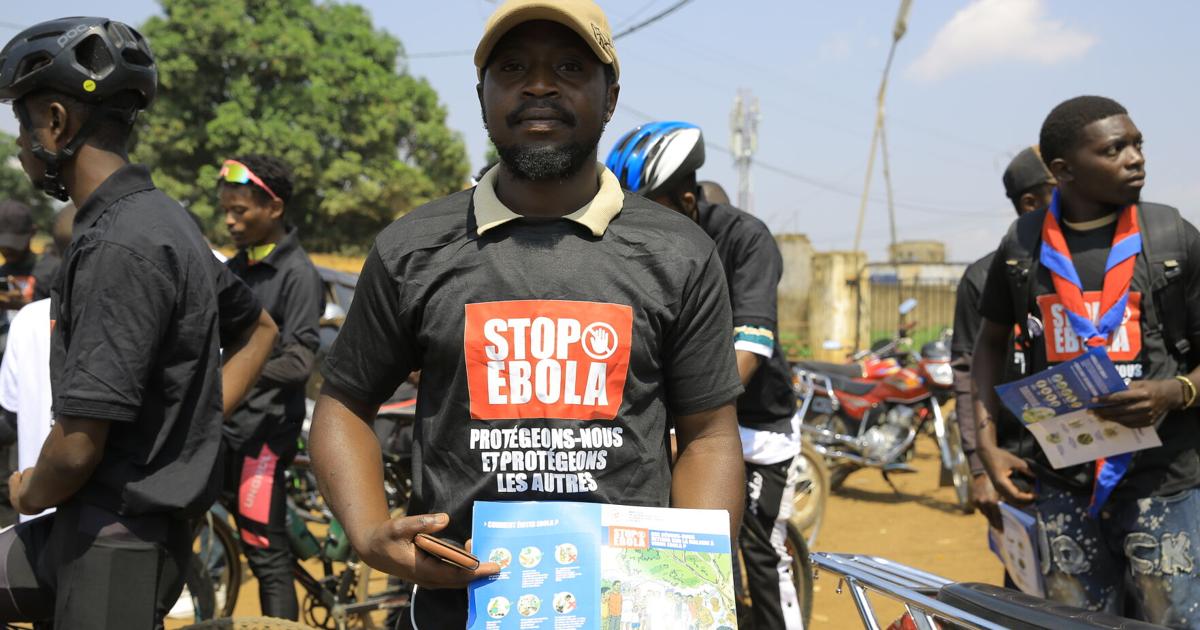
Containment operations face severe obstacles on the ground. Armed conflict between government forces and rebel groups controlling key cities in the hot spot has heavily disrupted medical access. Relief efforts have also been hampered by attacks on medical personnel and facilities, an itinerant labor population, large numbers of displaced civilians, and an underlying shortage of critical health infrastructure.
Global Emergency Status and Multilateral Coordination
Earlier in the week, WHO Director-General Tedros Ghebreyesus reiterated that the Ebola outbreak in eastern Congo remains a global emergency. The deployment is managed through the International Coordinating Group on Vaccine Provision, a partnership comprising the WHO, the International Federation of Red Cross and Red Crescent Societies, Médecins Sans Frontières, and UNICEF.
With the first batch of 16,250 doses cleared through customs in Kinshasa, public health teams are preparing distribution networks to move the vaccines toward eastern hot spots while navigating active conflict zones and tracking high-risk transmission chains.
Worth a look

Chinese Neurosurgeon Zhang Shijun Performs Hundreds of Operations in Eritrea
During a one-year medical mission in Eritrea running from July 2025 to July 2026, Chinese neurosurgeon Zhang Shijun...

Prince Harry and Meghan Moving Back to U.K
Prince Harry and Meghan are moving back to the United Kingdom with their children, Prince Archie and Princess...

High-Dose Vitamin D Linked to Better Cognition in High-Risk Adults
Adults taking high doses of vitamin D supplements showed significantly higher cognitive test scores in a new study...

Ortho-K Lenses Slow Axial Length Elongation More in Children With High Myopia
A new real-world comparative study published in Eye and Vision reveals that orthokeratology lenses slow axial length elongation...