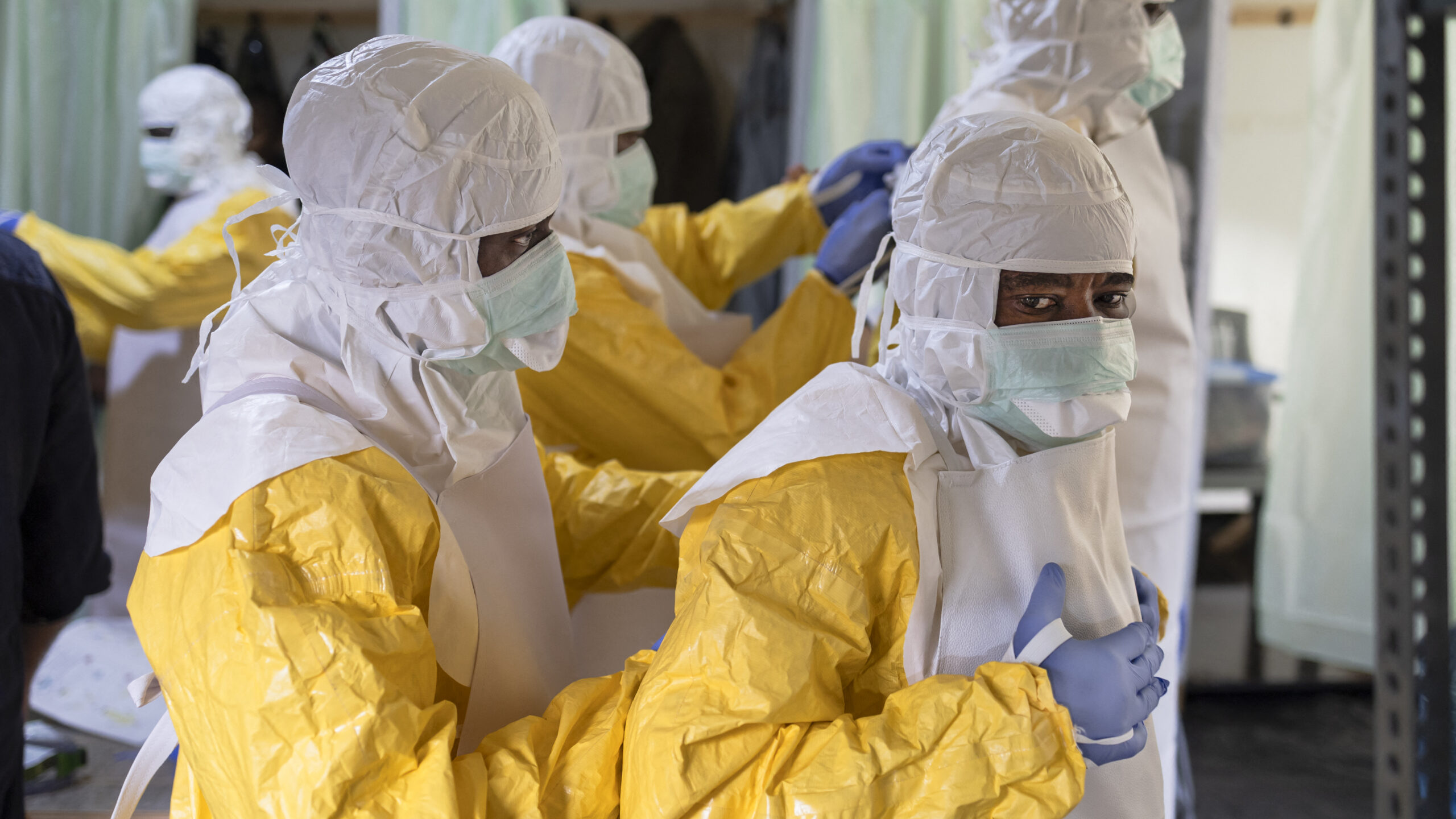
A second U.S. citizen working in the Democratic Republic of Congo has been evacuated to Germany for treatment after testing positive for the rare Bundibugyo strain of Ebola. As of July 12, 2026, the outbreak has reported 1,926 cases and 702 deaths, prompting international concern over the virus’s rapid spread and lack of approved vaccines.
Frankfurt University Hospital Receives Second U.S. Patient
The patient landed at Frankfurt Airport overnight and was taken to the Frankfurt University Hospital, a spokesman for Germany’s Health Ministry told dpa on Monday. Frankfurt University Hospital said the patient was showing symptoms of the disease. The U.S. Centers for Disease Control and Prevention (CDC) had previously said the patient is a U.S. citizen working for a humanitarian organization in the Democratic Republic of Congo. This marks the second American infected amid the DRC’s explosive Ebola outbreak—and the second to be sent for care in Germany rather than the U.S.

Escalating Outbreak and the Bundibugyo Variant
The outbreak is caused by the Bundibugyo strain of Ebolavirus, which is highly contagious and often fatal—killing between 30% and 50% of those it infects—and causing symptoms such as fever, rash and vomiting, the WHO said. Unlike other types of Ebola, Bundibugyo has no approved vaccine or treatment. The CDC has advised travelers who visited the affected countries recently to seek immediate medical attention if they develop fever, weakness, vomiting, diarrhea or unexplained bleeding. Health officials and experts are concerned that this new outbreak was detected late. Most cases are in Congo’s eastern Ituri province, but the virus has since been found some 600 miles away in the capital, Kinshasa, and in Uganda. The World Health Organization has noted a low risk globally, but stated that “patient zero” has not been found.
Kenyan Protesters Clash with Police over U.S. Quarantine Site
Controversial Quarantine Plans in Kenya
Anger has grown in Kenya as residents accuse the U.S. of offloading Ebola risks onto Kenyans. The United States government is racing to build a 50-bed quarantine centre at an air force base in the central town of Nanyuki for U.S. citizens exposed to Ebola. On Tuesday, the NGO Vocal Africa posted on X that one person had died after being shot in the head by Kenyan police who used water cannon and tear gas to disperse hundreds of demonstrators. Residents protested the facility, accusing the U.S. of offloading the health risk of caring for those exposed to the Ebola outbreak in the eastern Democratic Republic of the Congo.
Jean Kaseya Requests $1.4 Billion to Contain Virus Spread
Funding Shortfalls and Vaccine Development
The financial requirements to halt the outbreak are substantial. On June 24, 2026, Africa Centres for Disease Control and Prevention Director-General Jean Kaseya told reporters, If we don’t have this $1.4 billion, and if we don’t resolve the humanitarian issue, we will not stop this outbreak. That same day, the White House submitted a supplemental funding request to Congress including a $1.4 billion request to fight the Ebola outbreak in Central Africa. Previously, on June 16, 2026, Kaseya stated that unless the outbreak is contained soon, it will be worse than any Ebola outbreak before it, including previous outbreaks in Congo, Guinea, Liberia and Sierra Leone.
University of Oxford Launches Human Trial for Bundibugyo Vaccine
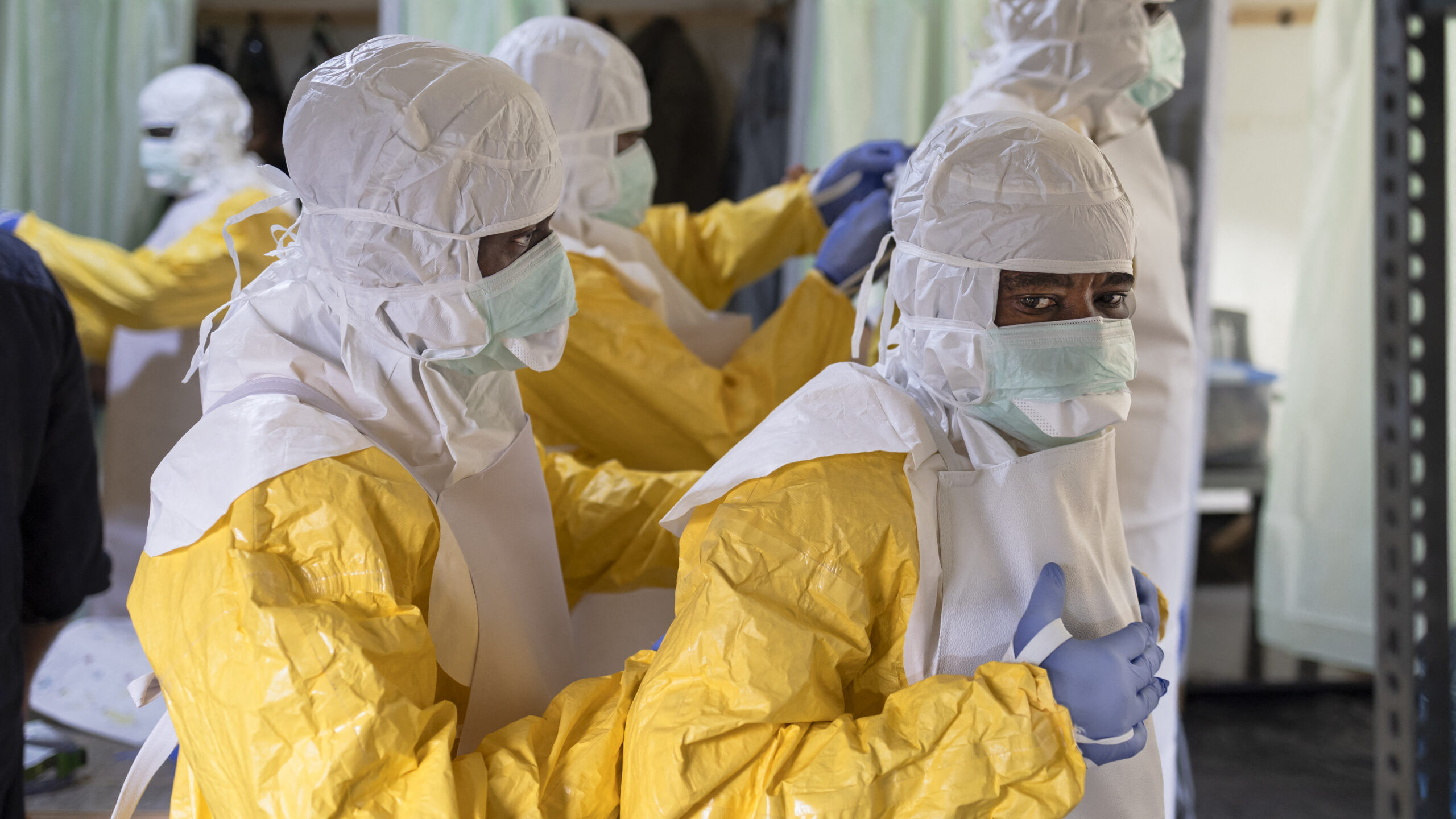
Scientific efforts to create a viable vaccine are underway. The University of Oxford has launched the first human trial of a vaccine against Bundibugyo ebolavirus. The early-stage trial, known as BD-Ebov, will evaluate the safety and immune response of the ChAdOx1 BDBV vaccine in 50 healthy adults aged 18 to 55 in Oxford. The vaccine was developed by scientists at Oxford’s Vaccine Group and Pandemic Sciences Institute using the same viral vector platform as the Oxford/AstraZeneca COVID-19 shot. The Serum Institute of India, which is partnering on the program, said it manufactured and stockpiled doses. Recruitment has begun, with vaccinations expected to start in the coming weeks pending regulatory approval.
Find more reporting in our Health section.
Worth a look
PPARD Activated in Immune Cells Becomes Cancer-Fighting Tool
Researchers at Cold Spring Harbor Laboratory and the Massachusetts Institute of Technology have discovered that the lipid-sensing transcription...

Salk Institute Finds SRF3 Protein Restores Plant Iron Balance
Researchers at the Salk Institute discovered on October 14, 2026, that the plant protein SRF3 repairs cellular iron...
Vatican announces Pope Leo XIV has lung cancer after successful surgery
Pope Leo XIV underwent successful surgery at Rome’s Gemelli Hospital to remove a cancerous nodule from his right...

Max Planck Researchers Discover How Sequence Changes Prevent mRNA Errors
Researchers at the Max Planck Institute for Multidisciplinary Sciences discovered why ribosomes slip when reading modified mRNA and...