
Stroke rehabilitation and long-term recovery require personalized, sustained strategies that address physical, cognitive, and emotional challenges. According to global health reports and caregiver insights, managing the complexities of post-stroke life involves adapting daily routines, utilizing memory aids, and building ongoing partnerships with healthcare professionals and support networks.
The Complex Reality of Stroke Recovery and Caregiving Costs
Stroke remains a dominant global health problem and a leading cause of long-term disability. While modern medical management has improved survival rates since the early 20th century, the rising prevalence of risk factors such as obesity, diabetes, hypertension, and high cholesterol continues to drive incident cases worldwide. Global burden data indicates that stroke accounts for 10% of deaths worldwide and 5% of disability-adjusted life-years. Because the consequences of a stroke vary widely based on its type and severity, lifetime costs and care models differ significantly across regions.
In Western countries, approximately ~3–4% of total health expenditure goes toward stroke management and care. In the United States, inpatient care, rehabilitation, and follow-up cost roughly US$ 140,048 per person over a lifetime, while European treatment and recovery costs total around 27 billion euros annually. Individual country estimates further highlight the financial strain: research cited in public health data estimates annual per-person costs in Spain at €17,618, inclusive of informal care, medical expenses, and lost productivity. In Italy, individuals spend approximately $3,700 on direct medical and non-medical stroke-related costs, with the highest expenses occurring during the first six months following diagnosis.
Daily Challenges for Caregivers and the Shift to Community Care
Because of escalating institutional healthcare costs, the majority of long-term stroke care has shifted out of hospitals and rehabilitation centers and into the community. Family members—most commonly female spouses with an average age of 58—frequently assume the role of primary caregiver with little to no formal preparation. These caregivers are suddenly tasked with managing personal hygiene, monitoring health conditions, administering medications, coordinating social activities, and handling household finances.
This abrupt transition often forces caregivers to leave full-time jobs or reduce their hours, triggering a sudden loss of household income. Studies examining work productivity demonstrate that older caregivers with children under the age of 18 experience severe impacts on household income, particularly those earning under $25,000 compared to households earning $25,000 to $49,999 or $75,000 and above. Beyond financial strain, caregivers face physical exhaustion, loneliness, confinement, and emotional distress that can lead to a decline in their own health.
Practical Strategies for Communication, Memory, and Daily Living
Because stroke recovery is multifaceted and distinct to every individual, health professionals emphasize personalized care strategies. Experts recommend using memory aids such as sticky notes, calendars, and smartphone or tablet apps endorsed by organizations like the American Heart Association, including Elevate, Peak, and Stop, Breathe & Think.
When communication skills are impaired, caregivers can minimize background noise, articulate clearly, and ask concise yes-or-no questions while utilizing gestures. Caregivers are advised to verify understanding rather than assuming it, and survivors can use communication cards explaining their difficulties to others. To maintain engagement, recreational therapists can help adapt hobbies—ranging from modified travel to specialized outdoor activities—ensuring survivors maintain independence and quality of life.
Building Support Networks and Sustaining Long-Term Hope
Navigating the continuum of care benefits greatly from an ongoing partnership with knowledgeable professionals such as occupational therapists or psychologists, which prevents families from starting over when minor issues arise. Maintaining a detailed medication list and participating in caregiver support groups—such as the Caring Connection at the Stroke Comeback Center in Vienna, Virginia—offers essential resources and emotional connectedness.

Emotional health remains a core pillar of recovery. Survivors and caregivers emphasize the importance of processing trauma through counseling, journaling, and support groups rather than relying solely on physical therapy. As experienced caregivers note, maintaining a positive attitude and focusing on personal progress rather than comparing recoveries to others allows survivors to achieve greater independence over time.
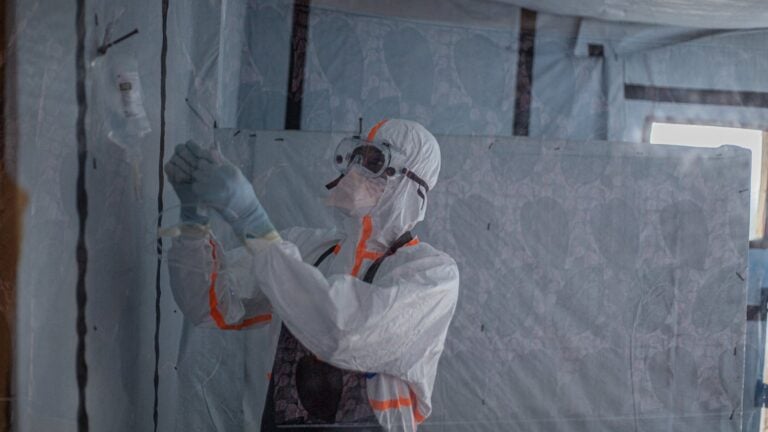
Congo Launches Ervebo Ebola Vaccine Campaign to Fight Outbreak
Congo launched its Ebola vaccination campaign in Kisangani on Thursday to combat the nation's worst recorded epidemic, which...

WEST Algorithm Predicts Rare Diseases Using Electronic Health Records
An artificial intelligence algorithm called WEST, developed by researchers at Harvard Medical School and Boston Children’s Hospital, predicts...

Xylitol Linked to Increased Risk of Heart Attacks and Strokes
Researchers have linked the popular sugar substitute xylitol to a heightened risk of major cardiovascular events, including heart...
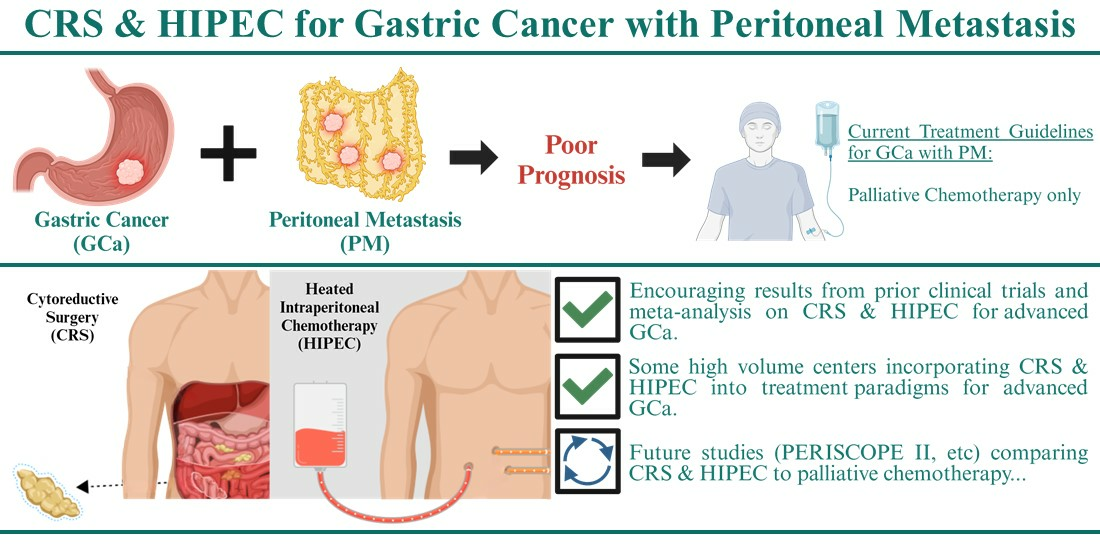
HIPEC in Gastric Cancer: Prophylactic and Therapeutic Roles
Gastric cancer remains a leading cause of cancer-related mortality worldwide, with peritoneal dissemination representing one of the most...