
Researchers have linked the popular sugar substitute xylitol to a heightened risk of major cardiovascular events, including heart attacks and strokes, following a series of observational and laboratory studies published in recent years. While the sweetener remains widely used in oral care and sugar-free foods, health experts advise moderation.
Where Xylitol Appears in Everyday Products and Oral Hygiene
Xylitol is a low-calorie sugar alcohol that matches the sweetness of regular sugar with fewer calories and a negligible impact on blood sugar levels. Because it contains about 2.4 calories per gram compared with 4 calories per gram in regular sugar, and registers a glycemic index score of just 7 against sugar’s score of about 60, it frequently appears in diabetes-friendly and weight-management products.
Beyond baking goods and sugar-free foods, the compound is a staple in dental products. Toxicology experts note that xylitol prevents the growth of cavity-causing bacteria and reduces plaque accumulation.
- Sugar-free chewing gum and breath mints
- Toothpastes and antibacterial mouthwashes
- Chewable vitamins and cough syrups
- Select ice creams and peanut butters
Laboratory Findings Link Sweetener to Blood Clot Formation
Scientific scrutiny around the sweetener intensified following a 2024 study coauthored by Dr. Marco Witkowski. That research connected xylitol to increased platelet reactivity, suggesting that the substance could enhance the tendency of blood to form clots that might trigger a heart attack or stroke. Interventional cardiologists point out that because platelets are the sticky components in blood that stop bleeding, activating them improperly can lead to dangerous clots forming in the heart, brain, or lungs.
Further clinical investigation demonstrated how dramatically consumption can elevate blood concentrations of the sweetener.
Long-Term Population Data and Study Limitations
Following the laboratory discoveries, an observational study published in the European Heart Journal tracked adults over several years and found that high circulating levels of xylitol were associated with a greater risk of major adverse cardiac events, including heart attacks and strokes. An earlier 2025 study evaluating artificial sweeteners also linked higher amounts of sugar substitutes—roughly equivalent to a single can of diet soda daily—to faster cognitive and memory decline, though that broader study encompassed other compounds like aspartame, erythritol, and sorbitol.
Medical specialists emphasize the distinction between correlation and direct causation. Because the cardiovascular research was observational, it established an association rather than proving that xylitol directly causes heart attacks or strokes.
Dr. Marco Witkowski, a study co-author, noted that long-term findings in the general population highlight how little is known about the cardiovascular safety of xylitol and suggest that further studies are needed, especially as the amount of xylitol in products continues to increase.
Doctor Marco Witkowski, study co-author
Practical Guidance for Consumers and Pet Owners
Medical professionals advise a balanced approach for the general public, noting that while the data sounds concerning, evidence supporting strict avoidance remains limited for healthy individuals. However, specialists suggest that anyone with pre-existing cardiovascular risk factors may want to exercise caution.

Medical experts suggest minimizing processed foods that rely heavily on artificial additives in favor of whole foods. Aside from cardiovascular considerations, individuals who consume too much xylitol too quickly may experience digestive side effects such as gas, bloating, and diarrhea.
Pet owners face an entirely separate and urgent safety rule. Xylitol is intensely toxic to dogs, capable of inducing rapidly dropping blood sugar, liver failure, and death. Veterinarians advise keeping all sugar-free gums, baked goods, and specific brands of peanut butter securely out of reach of household pets.
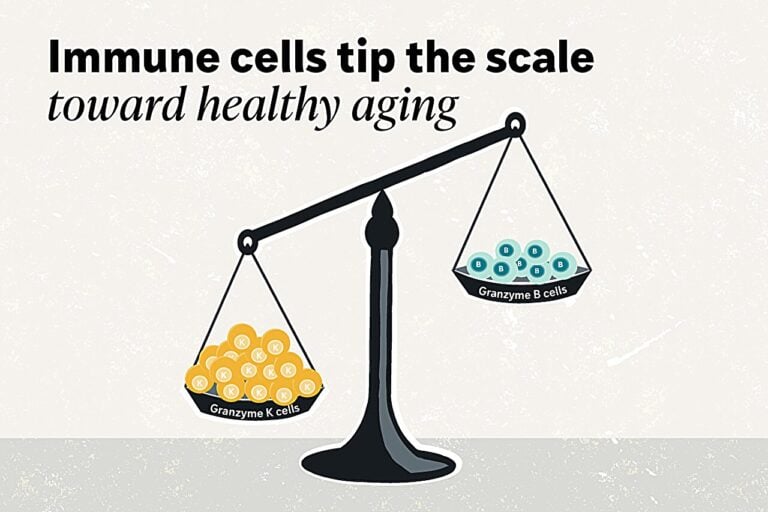
Researchers Map Immune Cells to Reveal Biological Aging Trajectories
Researchers analyzing millions of immune cells from global cohorts have discovered that the ratio between two white blood...
Louisa Nicola Outlines Lifestyle Changes to Prevent Alzheimer’s
Neuroscientist Louisa Nicola argues that up to 95 percent of Alzheimer’s cases are preventable through lifestyle choices, pointing...

Marking World Mental Health Day 2026, the Irish government announced an €11 million funding package
Marking World Mental Health Day 2026, the Irish government announced an €11 million funding package to expand youth...

CU Anschutz Study: Horseback Riding Cuts Hyperactivity in Autistic Youth
Therapeutic horseback riding cuts hyperactivity in children with autism and co-occurring psychiatric conditions, according to new research published...