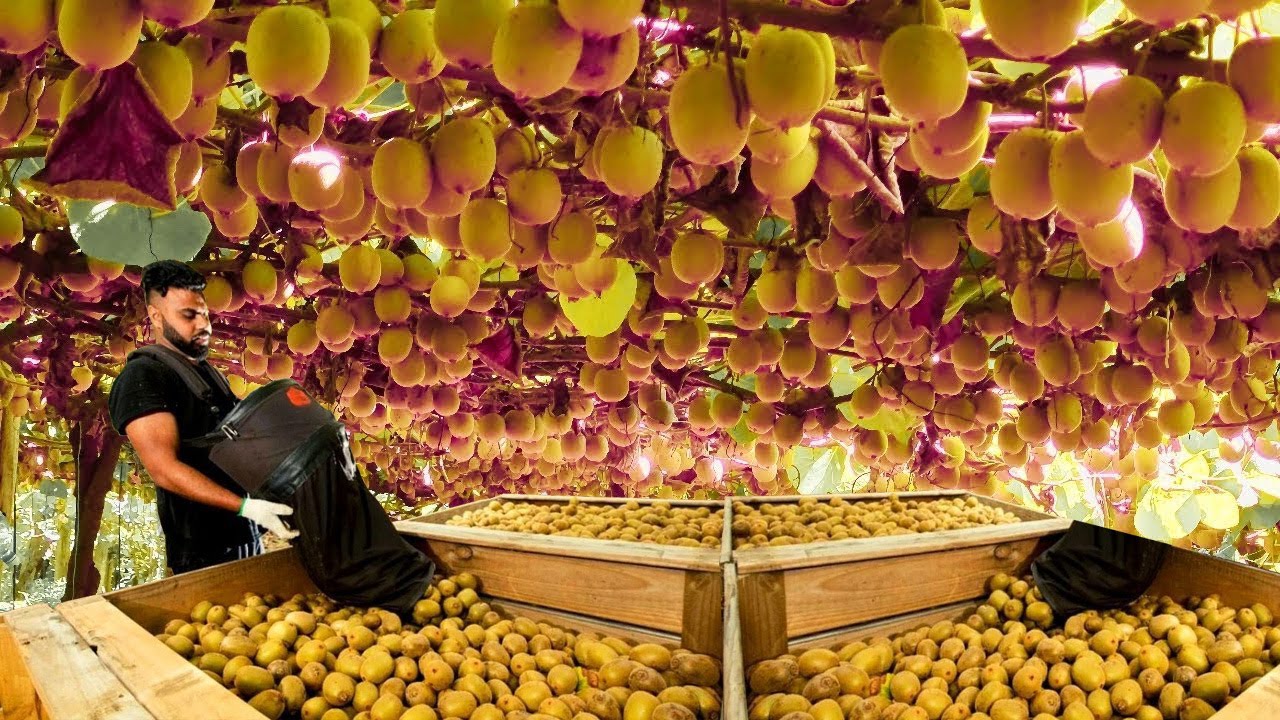
NZ First deputy leader Shane Jones accused the Bay of Plenty kiwifruit industry of medieval slave practices during a public meeting in Lower Hutt. He urged a review of Zespri export monopoly laws and called for government agencies to root out migrant exploitation in the kiwifruit industry.
Lower Hutt Public Meeting and the Attack on Zespri
Addressing a crowd of about 130 people at the Victory Christian Centre in Lower Hutt, New Zealand First deputy leader Shane Jones delivered a sharp condemnation of agricultural labor conditions. Railing against trade agreements and technological shifts, he directed his remarks toward the Bay of Plenty kiwifruit industry.
Jones argued that the domestic industry, which is dominated by Zespri, is rapidly losing its social licence.
International Scrutiny and the Tariff Debate
Jones connected his local criticisms to overseas scrutiny, warning that allegations of slave labour made against New Zealand by the United States stem directly from migrant groups being exploited by unlawful networks.

Trade Minister Todd McClay rejected the United States administration’s justification for newly reimposed 12.5 percent tariffs based on alleged forced labor. McClay maintained that the New Zealand trade system contains no support for forced labor and that such practices do not exist within the regulated commercial system.
Calls for Inter-Agency Enforcement and Deportations
Rather than relying solely on increased funding for the Labour Inspectorate to handle what he termed industrial-scale corruption, Jones advocated for a unified enforcement model. He pointed to measures already championed by Customs and Associate Police Minister Casey Costello.

Costello previously established a ministerial advisory group on organised crime and pushed for statutory requirements ensuring wage payments occur through verifiable electronic means. Expanding on that approach, Jones urged state agencies—including Inland Revenue, which has issued a red alert—to pool resources, root out suspicious operations, and deport offenders.
“All state agencies, as the IRD are now doing by issuing a red alert, should join forces and root out these cases of potential slave labour … look no further than kiwifruit industry and those egregious cases that need to be not only terminated but the people associated with it, they need to be 501’d out to where they come from.”
Shane Jones, NZ First deputy leader, via 1news and RNZ
Financial Misconduct and the Broader Investigation Context
Media reports highlighted cases involving illegal migrants allegedly exploited as money mules to funnel more than $3 million through domestic bank accounts before cash withdrawals.
Costello noted that restricting cash transactions across vulnerable professions such as legal and immigration consulting forms a necessary line of defense against organized financial misconduct.
Industry Response and Certification Defenses
In response to the allegations, a Zespri spokesperson emphasized that the exporter maintains stringent mechanisms to vet participants and protect worker welfare across all operational sites.
The company stated that any allegations of poor working conditions are treated with urgency, investigated thoroughly, and reported proactively to relevant government bodies for potential enforcement actions. Furthermore, all fruit growers supplying the exporter maintain certification under recognized independent global agricultural standards.
Keep reading

New Zealand Polar Blast Brings Snow and Road Closures to South Island
A powerful polar blast struck New Zealand, bringing snow to low elevations across the South Island on Tuesday,...

Swiss Police Launch Manhunt After Shooting at Aarau Rave Kills Woman
A 22-year-old woman was killed and five others were injured when gunfire erupted at an early-morning techno rave...

Venezuela’s Delcy Rodriguez Seals 25-year US Oil Deal
Venezuela’s interim president, Delcy Rodriguez, announced a 25-year energy agreement with the U.S.
Bloomberg Foregoes Appeal in Defamation Case Against Singapore Ministers
Bloomberg and its reporter Low De Wei have allowed the appeal deadline to pass without challenging a Singapore...