Bloomberg and its reporter Low De Wei have allowed the appeal deadline to pass without challenging a Singapore High Court ruling that found them liable for maliciously defaming Cabinet ministers K.
The Deadline Passes on High Court Defamation Case
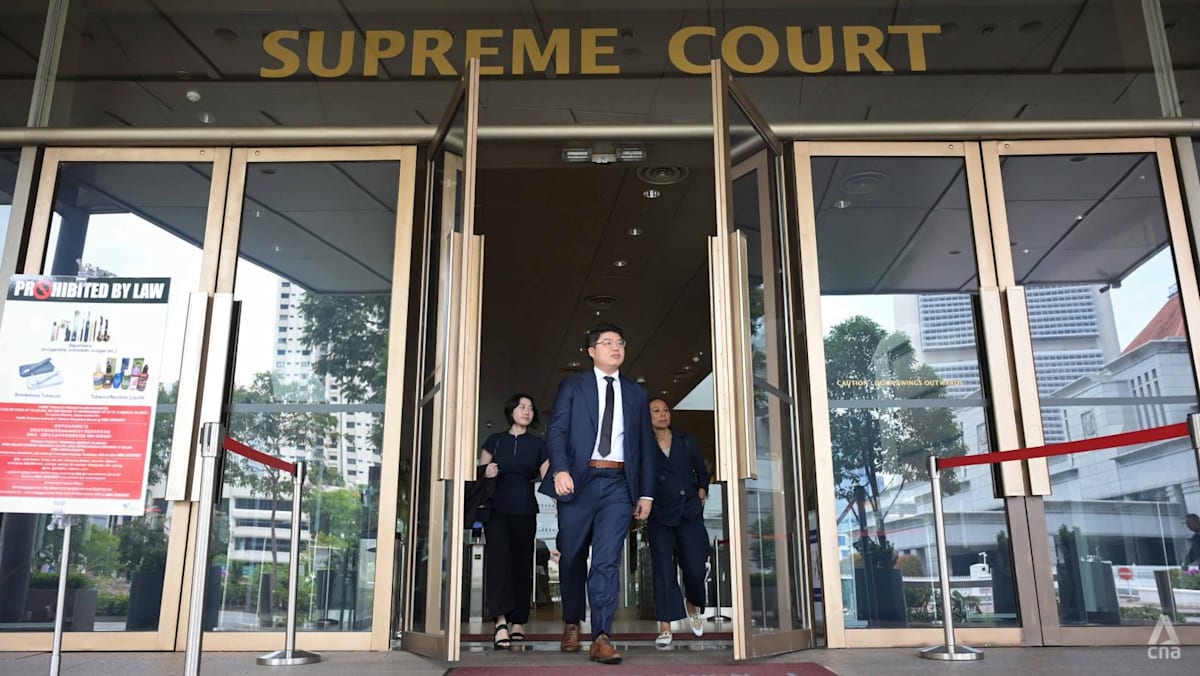
The window for legal challenges officially closed, bringing an end to a court battle centered on a December 2024 article published by the financial news provider. Senior Minister K. Shanmugam noted in a social media statement that the appeal period expired without any filing from the media outlet or its real estate reporter Low De Wei.
The underlying lawsuit stemmed from an investigative piece headlined Singapore Mansion Deals Are Increasingly Shrouded in Secrecy, which discussed high-end property transactions in the city-state. The publication specifically pointed to Shanmugam’s 2023 sale of his former home in the Queen Astrid Park area to UBS Trustees for $88 million, alongside Minister for Trade and Industry Tan See Leng’s non-caveated purchase of a bungalow in Brizay Park for nearly $27.3 million.
Senior Minister Shanmugam argued that Bloomberg’s choice to accept the verdict without an appeal demonstrates that the organization understood the vulnerabilities in its legal position. By letting the clock run out, the publisher left severe judicial findings untouched (Shanmugam said).
Photo: UA
“Bloomberg’s decision not to appeal the High Court’s decision reveals its true assessment of the legal merits. It has chosen to leave the court’s findings of malice, falsehoods and wrongful conduct unchallenged, on the record.”
Photo: Mothership
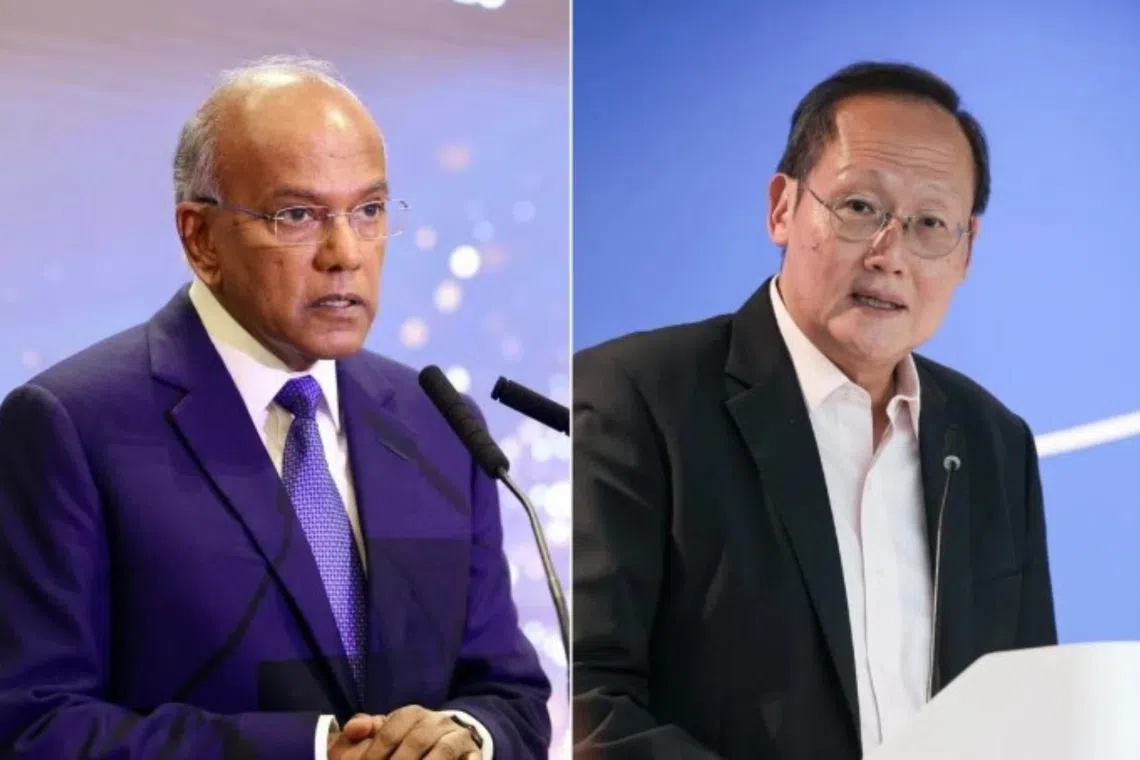
K. Shanmugam, Senior Minister and Coordinating Minister for National Security
Justice Audrey Lim’s written judgment detailed specific instances of fault, finding that reporter Low De Wei published assertions while knowing they were false or without caring about their veracity. The court pointed to the article’s juxtaposition of the ministers’ private property transactions alongside a high-profile $3 billion money laundering scandal involving ten convicted offenders. The judge concluded that readers were left with the defamatory impression that the officials sought to evade scrutiny for financial crime.
Furthermore, the bench determined that Bloomberg’s decision to remove the paywall for the article demonstrated actual malice by expanding its audience reach. The court also rejected the defense’s reliance on the UK-style Reynolds public interest defense, noting it does not form part of Singapore law.
POFMA Precedents and Publisher Reactions
The defamation suit follows an earlier enforcement action by government authorities. Shortly after the piece went live, the administration issued a correction direction under the Protection from Online Falsehoods and Manipulation Act (POFMA). Shanmugam highlighted that Bloomberg complied with the notice by publishing the required correction but chose not to file an application to set the order aside, reinforcing the government’s stance that the publisher recognized the factual errors contained within the text.
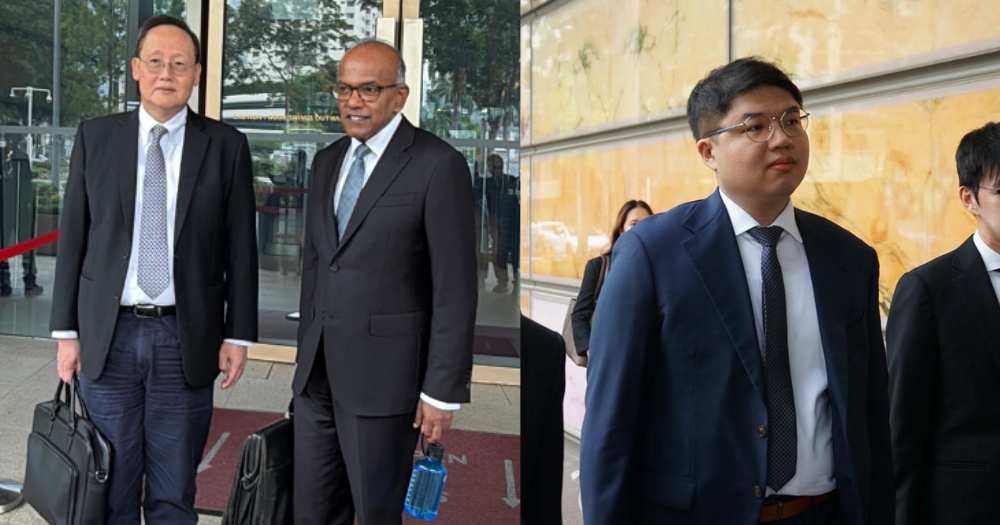
Ministers K Shanmugam, Tan See Leng’s statements of claim allege defamation; Bloomberg files defence
Legal professionals have offered varying perspectives on these procedural choices. Lawyer Yeoh Lian Chuan argued publicly that a publisher’s decision not to challenge a POFMA direction does not automatically prove a writer’s knowledge of falsity, criticizing the statutory allocation of the legal burden of proof. Yeoh also suggested that the decision to forgo a defamation appeal could reflect the high deference appellate courts in Singapore afford to trial judges on factual findings rather than an admission of liability.
Despite the legal defeat, Bloomberg maintained its initial stance immediately following the verdict. Editor-in-Chief John Micklethwait released a statement expressing disappointment with the outcome while emphasizing that the newsroom stood by its journalists and considered the reporting to be a solid piece of journalism that served the public interest.
Closing Arguments from the Affected Officials
With the appeal window firmly shut, both ministers indicated that the legal chapter has reached its conclusion. Minister for Trade and Industry Tan See Leng shared a statement on social media emphasizing that his primary focus remains on official responsibilities (Tan See Leng said).
Photo: Straitstimes
“Glad to have been able to clear our positions and uphold the standing and integrity of the public offices we hold. Our focus remains where it has always been — on our commitment and work for Singapore and Singaporeans.”
Tan See Leng, Minister for Trade and Industry (Energy and Industry)
Senior Minister Shanmugam expanded on the broader geopolitical message of the case, directing sharp criticism at international media outlets operating in the region (Shanmugam said).
“Some media organisations adopt a superior attitude, believing themselves entitled to maliciously malign public leaders in non-Western societies and purvey falsehoods with impunity. They use their money and size to get away with this. They can’t do that in Singapore.”
K. Shanmugam, Senior Minister and Coordinating Minister for National Security
Ministers Shanmugam and Tan See Leng awarded $230,000 each in defamation case