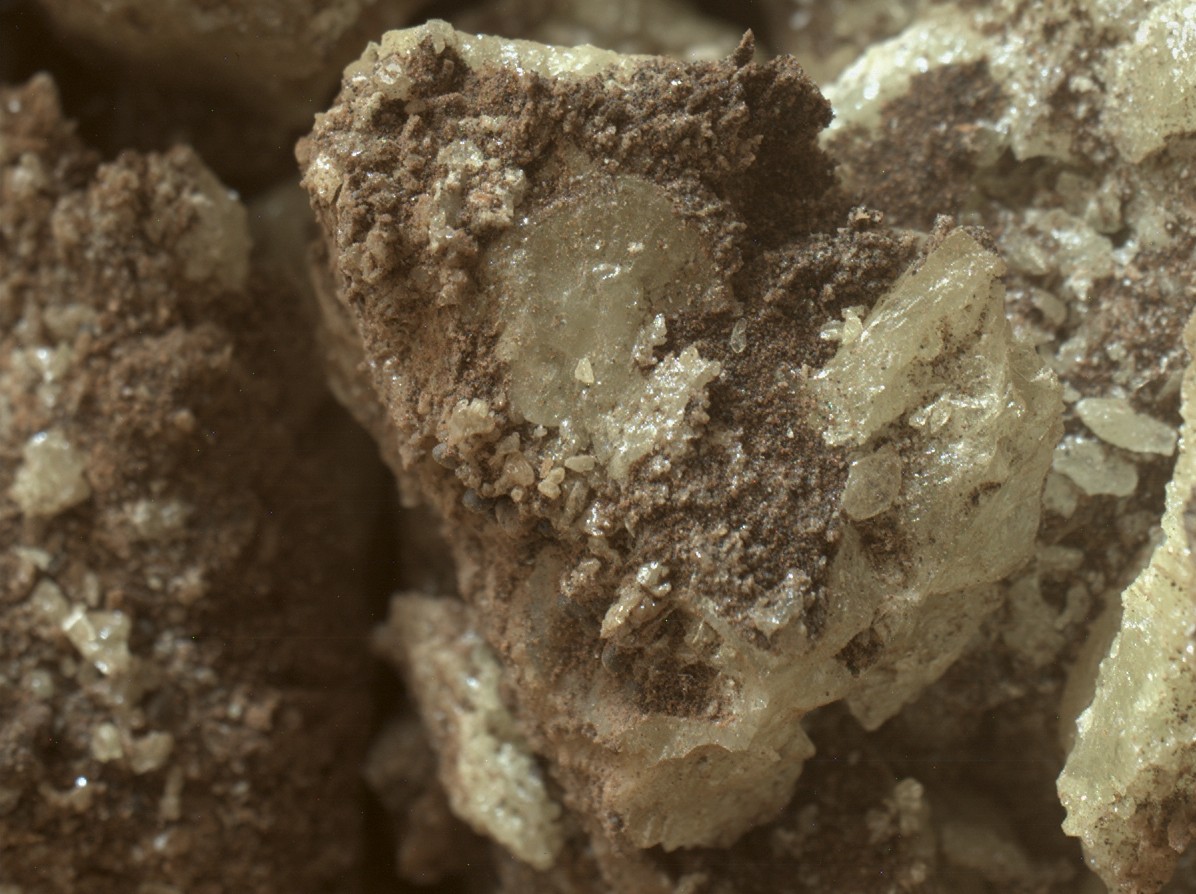
Ashwin Vasavada and the Curiosity Team Encounter Yellow Crystals in Gale Crater
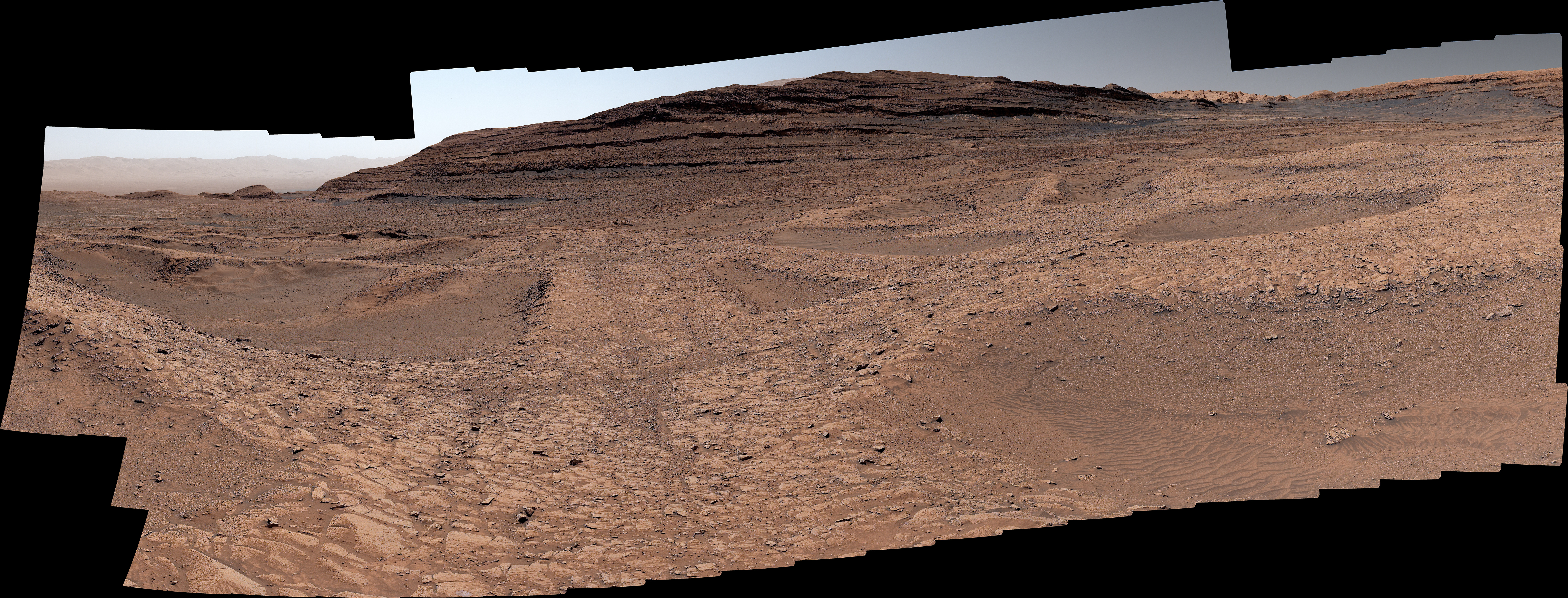
The discovery occurred while the SUV-sized rover was traversing the rugged terrain of Mount Sharp, a 3-mile-tall mountain within Gale Crater. After driving over a rock and cracking it open, the rover’s onboard cameras revealed vibrant yellow crystals. Because these crystals were too small and delicate for the rover’s drill to sample directly, the mission team redirected Curiosity to a larger nearby rock, nicknamed “Mammoth Lakes,” to perform a successful drilling operation and analyze the material’s composition.
According to Ashwin Vasavada, the project scientist at NASA’s Jet Propulsion Laboratory, the findings were entirely unexpected. “Finding a field of stones made of pure sulfur is like finding an oasis in the desert,” Vasavada stated. “It shouldn’t be there, so now we have to explain it.” The presence of pure sulfur is particularly puzzling because such formations on Earth are typically linked to volcanic activity or hot springs—environments that do not appear to exist in this specific region of Mars.
Lunar and Planetary Science Conference Researchers Simulate Asteroid Impacts
Scientists are now exploring several hypotheses to explain how this sulfur formed. One emerging theory, presented by researchers at the Lunar and Planetary Science Conference, suggests that an ancient asteroid impact could be responsible. In this scenario, a space rock might have struck a region already rich in buried sulfur, with the intense heat from the collision melting the material into a liquid. This molten sulfur could have then flowed through channels and hardened into the crystalline deposits Curiosity currently observes.
To test this, researchers used computer models to simulate impacts at speeds between 11,000 and 22,000 mph. These simulations indicate that if the ground contained a high concentration of sulfur, an impact could have produced the necessary volume of liquid to create the observed fields. However, as noted by the team, these models are still in early stages, as current physics simulations do not fully account for how sulfur behaves under the extreme pressures of a planetary impact.
The Curiosity Rover Navigates Mount Sharp to Target Sheep Creek
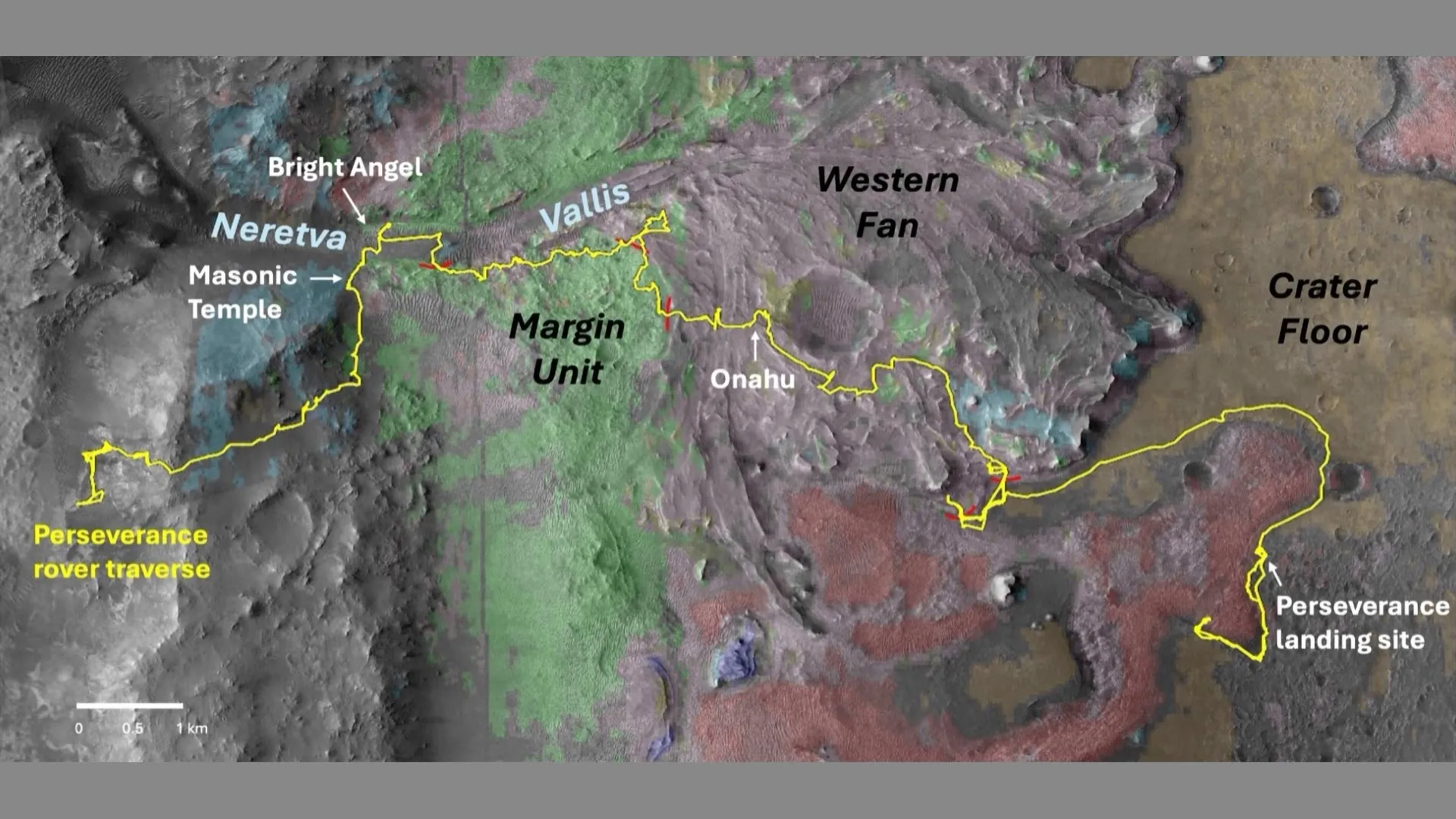
While the sulfur field remains a primary target, the rover’s mission continues to evolve. The team attempted to reach another promising site dubbed “Sheep Creek.” Despite the rover’s advanced navigation capabilities, the rugged, unforgiving terrain made it difficult to fine-tune the approach to these distant, bright rocks. While the rover eventually stopped just short of the target, the team utilized the ChemCam instrument to analyze nearby stones, such as “Arch Rock” and “Ash Mountain,” to determine if they also contain evidence of elemental sulfur.
For the mission team, the challenge remains in balancing the need for safety with the desire for discovery. Navigating the steep slopes of Mount Sharp requires careful planning, as the rover must avoid slipping in loose sand while positioning its robotic arm for precise scientific measurements.
As Curiosity continues to move through the channel, the scientific community is left with an open question: Was the pure sulfur found at Gale Crater a localized event caused by a singular, violent impact, or is it evidence of a broader, misunderstood chemical process that once occurred across the Martian surface? Until further samples are analyzed and the impact models are refined, the origin of these yellow crystals remains one of the most intriguing mysteries on the Red Planet.
Find more reporting in our Science section.
Related reading
Link Spacecraft Launches to Rescue NASA Telescope from Falling
A rescue spacecraft set to speed toward a NASA telescope to prevent it from falling into Earth's atmosphere...
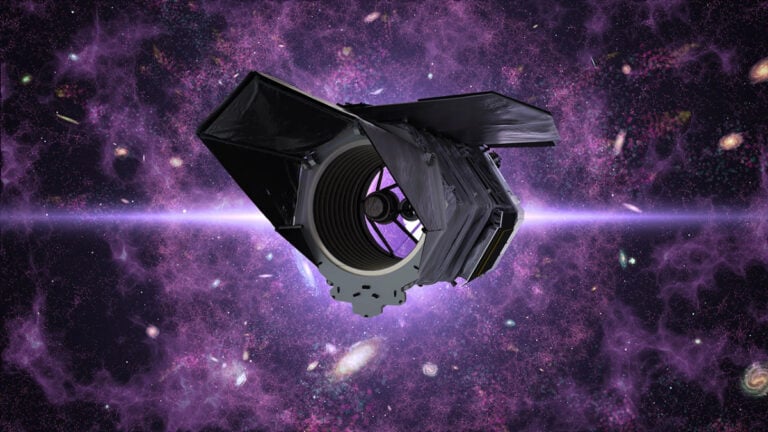
NASA to Launch Nancy Grace Roman Space Telescope on August 30, 2026
NASA is scheduled to launch its next-generation flagship observatory, the Nancy Grace Roman Space Telescope, on August 30,...

German Aerospace Center Proposes RLV C5 Rocket Concept for Europe
Researchers at the German Aerospace Center have proposed a winged, partially reusable rocket concept dubbed the RLV C5,...
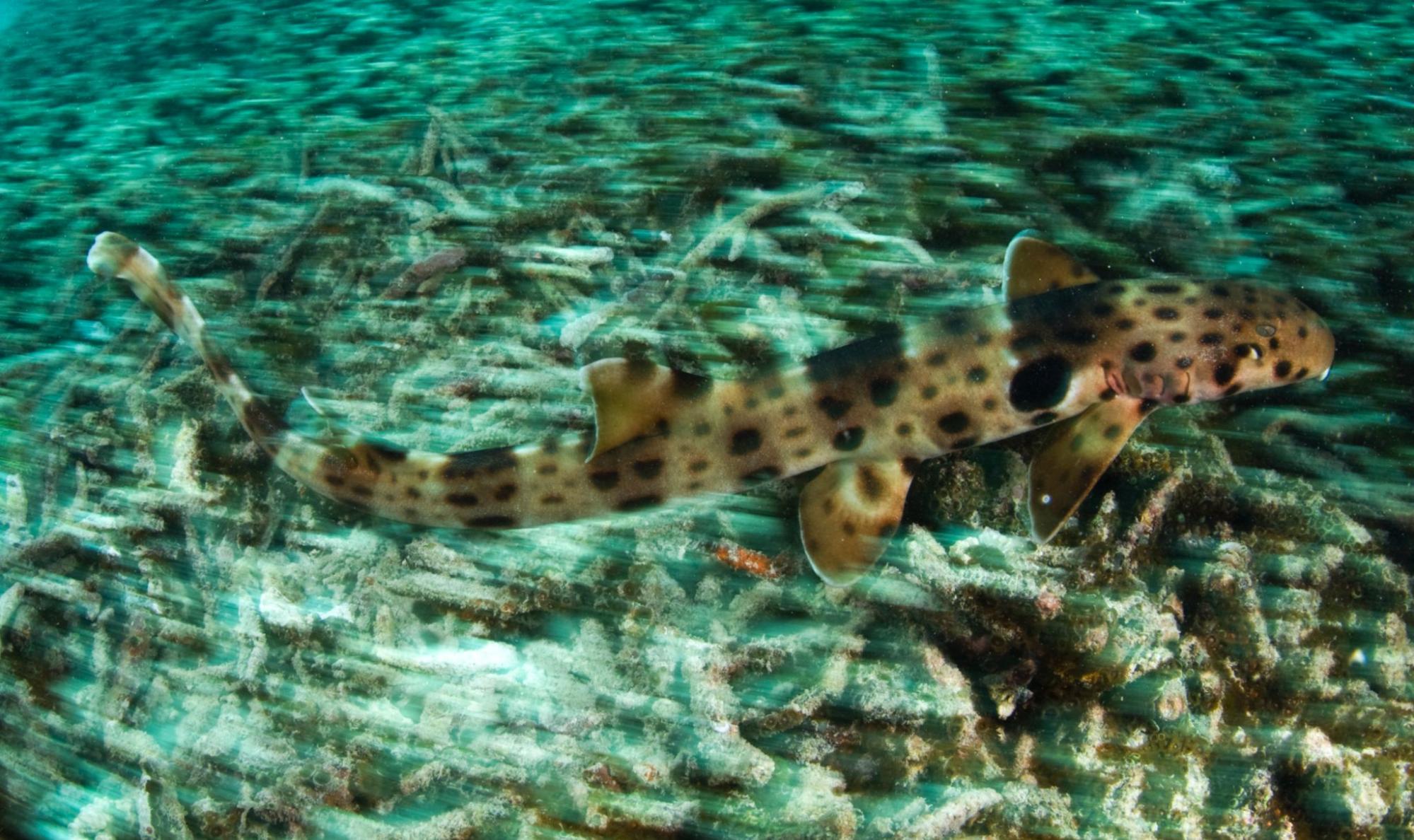
Raja Ampat Epaulette Shark Shows Extremely High Population Densities
Researchers conducting 64 nighttime surveys across Indonesia's Raja Ampat Archipelago recorded 1,191 sightings of the Raja Ampat epaulette...