The African Development Bank Group (AfDB) and Germany are deepening their development finance partnership, aligning reforms to improve capital access and private sector investment across Africa. This collaboration, formalized through the New African Financial Architecture for Development (NAFAD) and Germany’s 2026 reform strategies, prioritizes sustainable energy, infrastructure, and institutional capacity building.
Aligning Financial Reforms: The Abidjan Consensus and NAFAD

The partnership between the African Development Bank Group and Germany is currently centered on a shared roadmap to modernize how development finance is mobilized. Central to this effort is the New African Financial Architecture for Development (NAFAD), a framework endorsed under the Abidjan Consensus in April 2026. The initiative aims to improve risk-sharing mechanisms and create investment-ready projects, allowing for funding at a larger scale than previously possible.
Germany’s contribution to these reforms is channeled through the Federal Ministry for Economic Cooperation and Development, working in tandem with the KfW Development Bank, the German development agency GIZ, and the Deutsche Investitions- und Entwicklungsgesellschaft (DEG). These institutions combine technical assistance with private investment. In January 2026, Germany introduced its “Shaping the Future Together Globally” reform strategy, which mirrors the AfDB’s goals by emphasizing local value creation and stronger private sector participation.
Energy Access and Infrastructure Initiatives
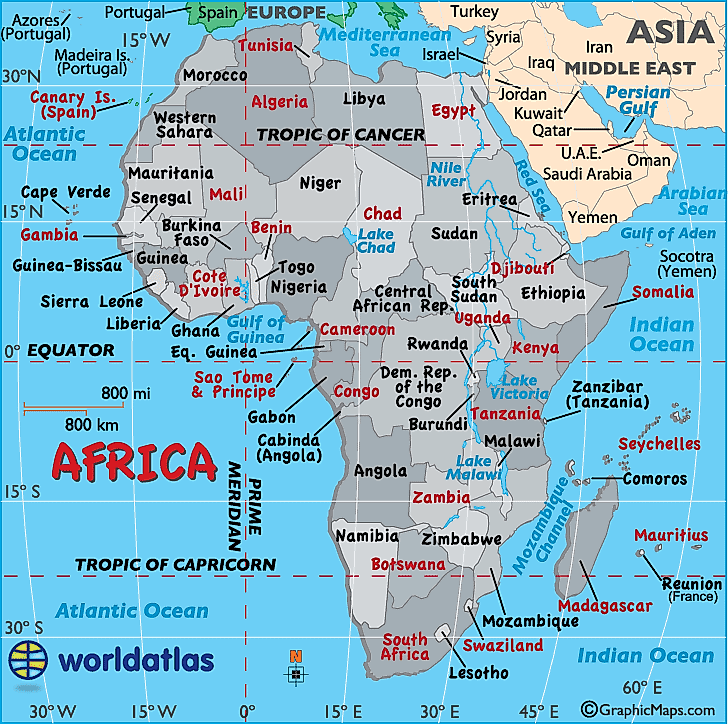
Energy has emerged as a cornerstone of the bilateral relationship. Germany is a primary supporter of Mission 300, a joint project between the AfDB and the World Bank Group that seeks to provide electricity access to 300 million people across Africa by 2030.
Financial commitments to energy infrastructure are substantial. Germany has pledged €4 billion to African energy projects through 2030. Additionally, the country has contributed €234 million to the Sustainable Energy Fund for Africa (SEFA) since 2021. SEFA’s current portfolio spans 54 operations in 46 countries, with over $405 million committed to date. Germany also acts as a founding partner for the Alliance for Green Infrastructure in Africa, which is managed by the AfDB and Africa50.
Private Sector Development and Long-Term Cooperation
Beyond energy, the partnership focuses on improving investment climates through the Compact with Africa. This initiative seeks to attract private capital to participating nations. Between 2020 and 2024, the African Development Bank Group provided over $14 billion in support to countries involved in the Compact, utilizing instruments such as partial credit guarantees to mitigate risk for private investors.
The institutional relationship between the two entities spans more than four decades. Germany became a member of the bank in 1983 and has contributed to the African Development Fund (ADF) since 1973. In the most recent replenishment cycle (ADF-17), Germany pledged €607.572 million, making it the second-largest contributor to the fund and the third-largest non-regional shareholder in the Bank Group.
Digital Innovation in Disaster Management
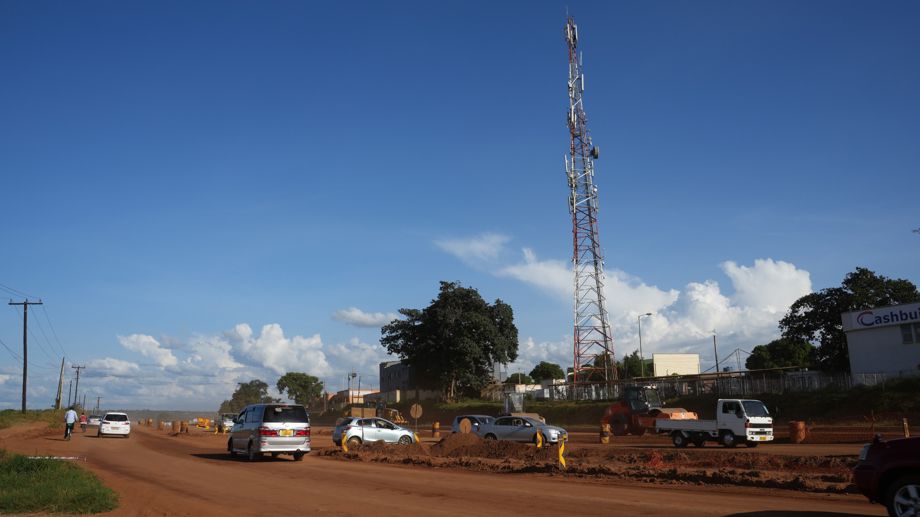
While the AfDB and Germany focus on broad financial architecture, the Bank is simultaneously implementing targeted technology projects. In July 2026, the AfDB marked the completion of a drone-based disaster management project in Mozambique. Supported by the Korea-Africa Economic Cooperation (KOAFEC) Trust Fund, the initiative trained 30 drone pilots and provided digital tools to help the government monitor floods and cyclones.
This project, conducted in partnership with the Government of Mozambique, the Republic of Korea, and Busan Technopark, serves as a model for digital transformation efforts the Bank intends to scale. The AfDB views these technology-driven solutions as essential for climate resilience, planning to extend the use of aerial mapping and geospatial data to sectors including agriculture and food security.
Economic Context of African Development
The broader landscape for these financial interventions remains complex. Africa currently supports a population of 1.5 billion people, with a total GDP of US$2.9 trillion. Economic conditions vary significantly by region, as evidenced by the performance of major economies like Algeria and Angola.
| Indicator | Algeria | Angola |
|---|---|---|
| GDP | $191.9 billion | $113.3 billion |
| GDP per person | $4,273.90 | $3,183.70 |
| Unemployment rate | 12.1% | 14.1% |
These figures, reported by South Africa Gateway, highlight the scale of economic development challenges that the AfDB and its international partners, such as Germany, aim to address through improved financial systems and targeted industrialization strategies. As both parties continue to implement their respective reform agendas, the focus remains on building coordinated systems that connect institutional capacity with long-term investment delivery.
Find more reporting in our Science section.
Related reading

UK Skies Illuminated by Northern Lights as Geomagnetic Storms Continue
Skies across the UK lit up with the aurora borealis on Friday and Saturday evening as energetic solar...

Hubble Data Points to First Potential Planet Born From Dead White Dwarf Star
Astronomers revisiting decades-old Hubble Space Telescope data have discovered an unusual chemical signature around a white dwarf star,...
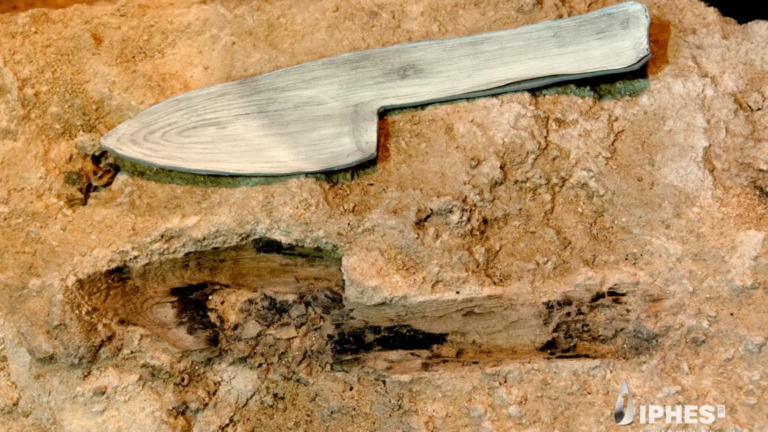
Spanish Archaeologists Catalog Neanderthal Wooden Tools at Abric Romaní
Spanish archaeologists have cataloged 597 wooden remains and imprints from Neanderthal living areas at Abric Romaní, dating between...
Curiosity Rover Captures Detailed Martian Dawn Panorama
NASA’s Curiosity rover has captured its most detailed panorama of distant Martian cliffs yet, photographing wind-carved yardangs under...