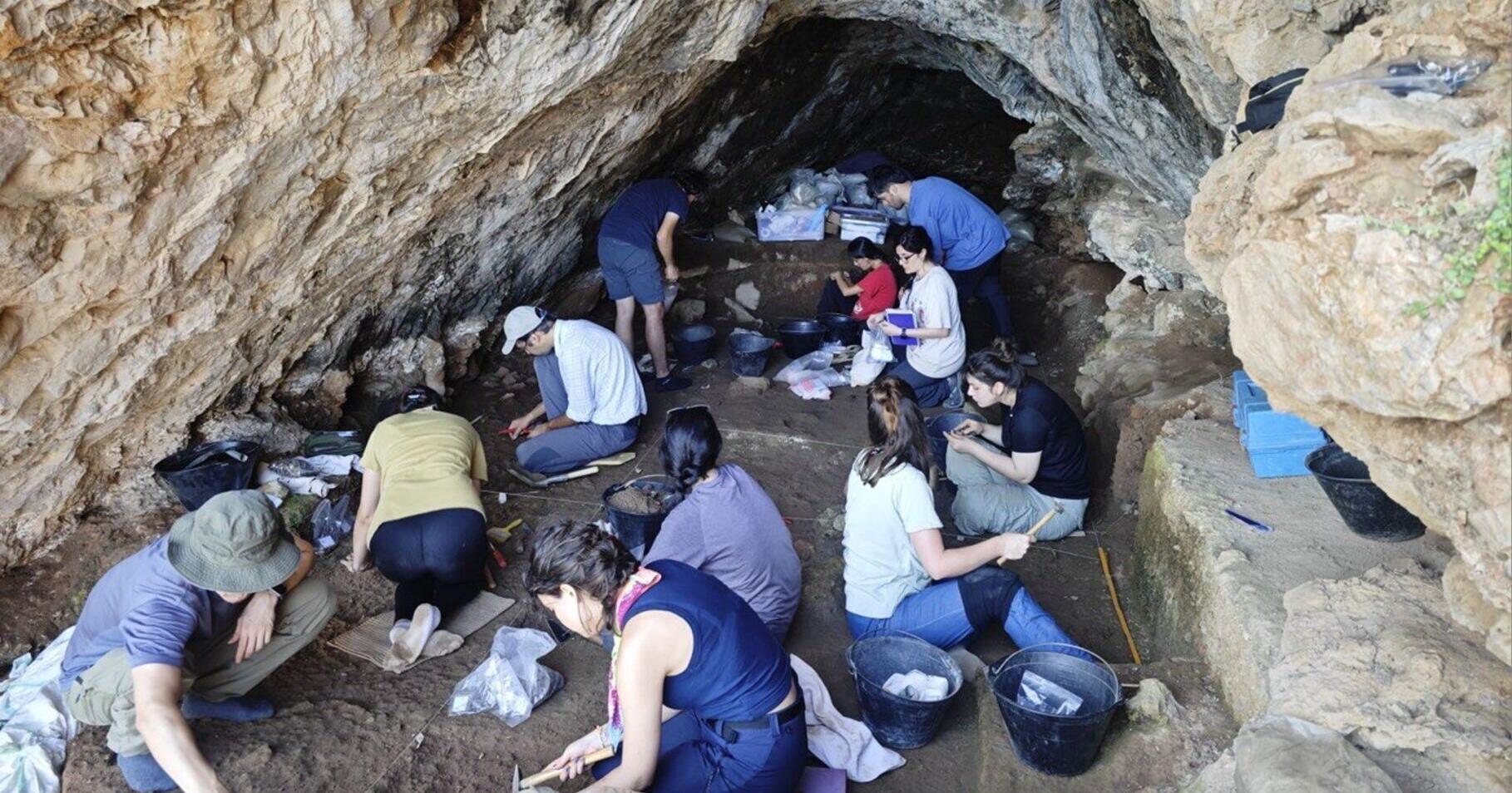
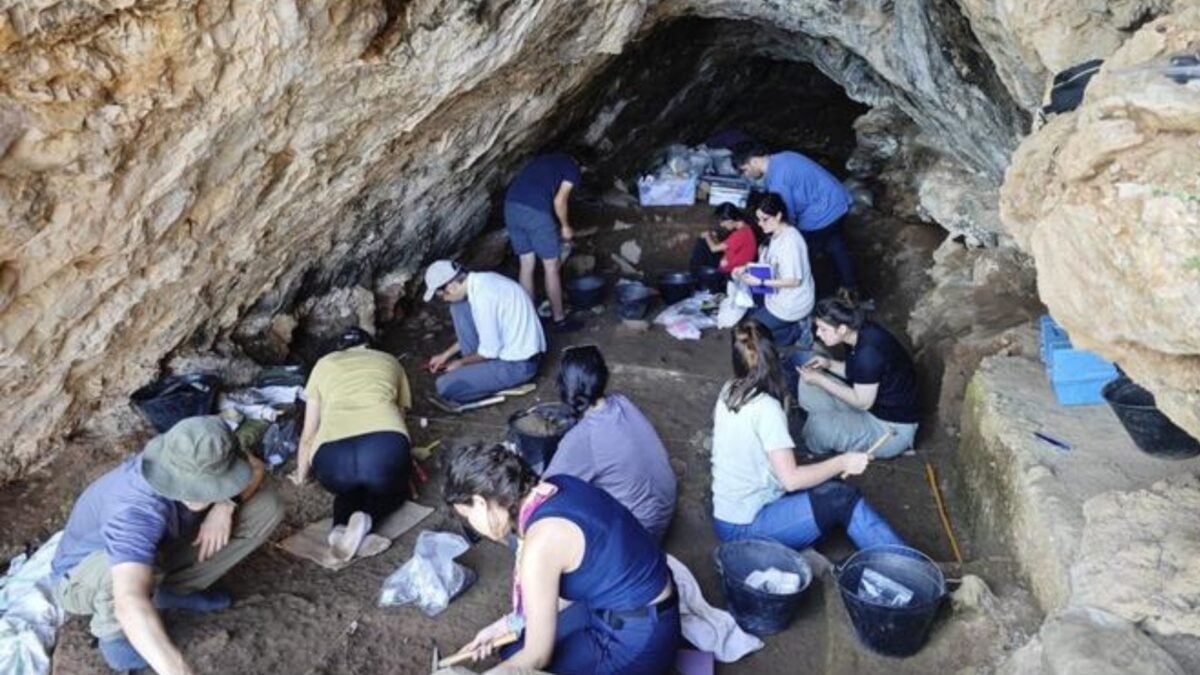
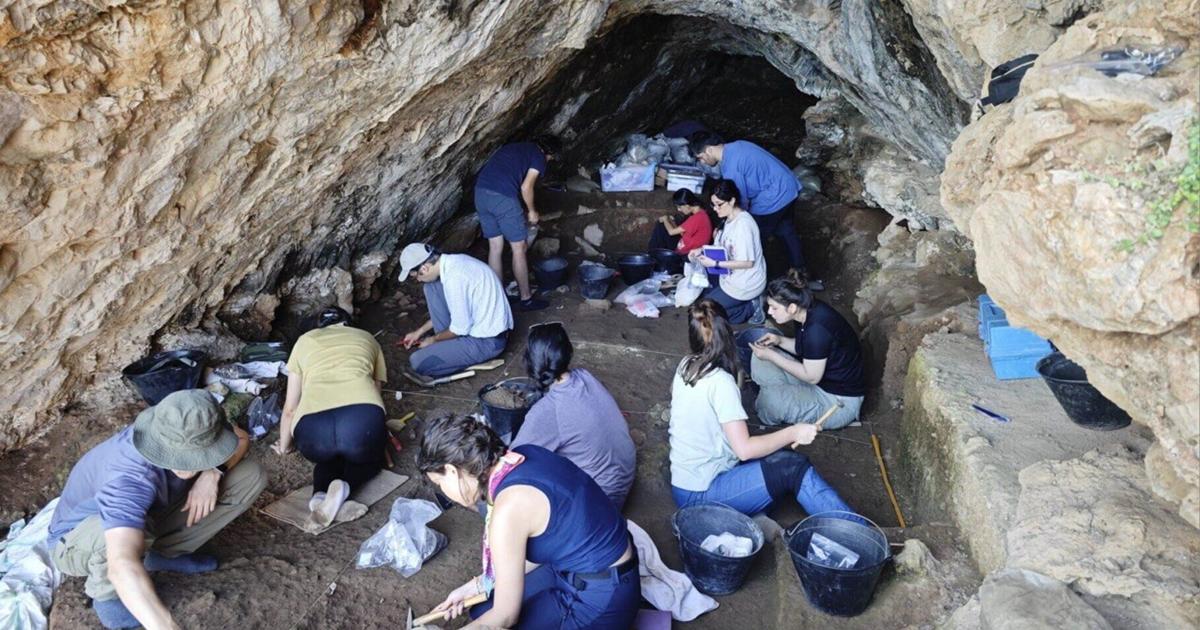
The findings, published in Proceedings of the National Academy of Sciences (PNAS), challenge previous assumptions about the separation of these species and highlight a potential deep cultural exchange. The study focuses on Üçağızlı II Cave in Hatay Province, where excavations spanning five years revealed overlapping occupation periods and shared technological strategies. 'Our findings indicate a deep level of cultural interaction,' said Naoki Morimoto, study co-author and paleoanthropologist at Kyoto University."
Shared Caves, Shared Practices: A Cultural Crossroads
The discovery at Üçağızlı II Cave reshapes the narrative of human evolution by revealing that Neanderthals and Homo sapiens not only coexisted but also engaged in cultural exchanges that transcended biological boundaries. The cave’s sediment layers, dated using optically stimulated luminescence, show that Neanderthals occupied the site between 77,000 and 59,000 years ago, while modern humans inhabited it from 59,000 to 47,000 years ago. Despite this temporal overlap, the researchers found "substantially uniform hunting-gathering strategies and lithic technology," according to Live Science. Both species hunted similar prey—wild goats, fallow deer, roe deer, and wild boar—and used locally sourced flint for tools.
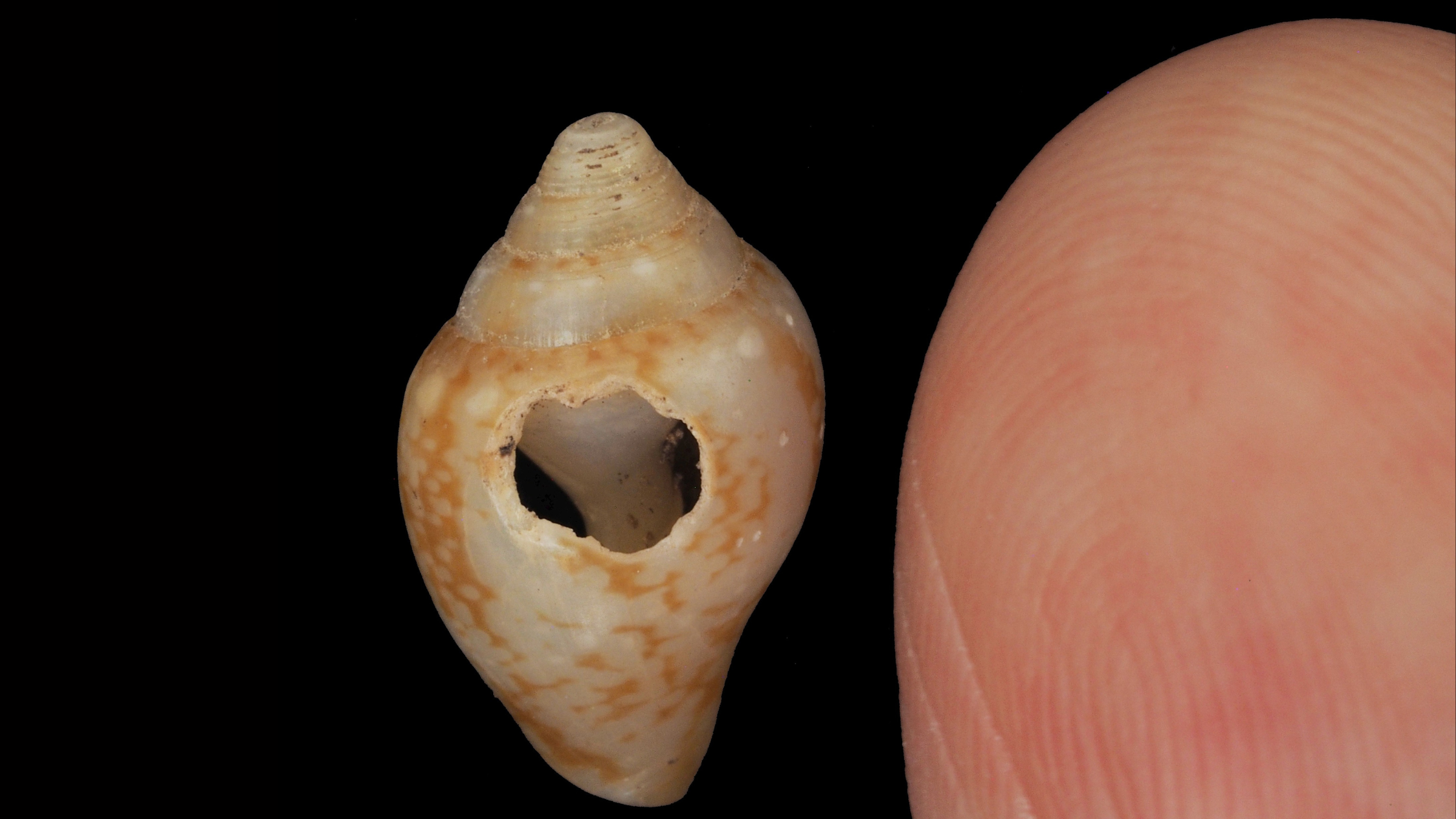
A key finding was the shared collection of Columbella rustica seashells, which had no nutritional value but were selectively gathered and sometimes pierced for possible ornamentation. "These two distinct but closely related human groups were not just adapting to the same environment: they were probably sharing symbolic preferences," Morimoto stated. This practice, previously linked exclusively to modern humans, suggests a cultural bridge between the species.
Revisiting the Timeline of Coexistence
The study addresses a long-standing gap in the archaeological record by pinpointing a critical window of interaction. While earlier sites like Mandrin Cave in France showed alternating occupations without cultural overlap, Üçağızlı II Cave reveals a continuous exchange. "The pattern here breaks from findings at Mandrin Cave, where Neanderthals and modern humans alternated occupation in distinct pulses," Live Science reported. Instead, the cave’s layers reflect "a long-term cultural continuity," as noted in the PNAS study.
The modern human fossils found at the site date to 50,000–60,000 years ago, placing them within the Out of Africa migration period. This raises two possibilities: either these individuals were part of the ancestral lineage of non-African populations or they represented an earlier, undocumented wave of migration. "This suggests that these individuals may represent a close relative of the founding lineage of all living non-African populations today," Morimoto explained.
Implications for Human Evolutionary Theory
The findings challenge the notion of Neanderthals and modern humans as culturally isolated groups. "Sites like these are forcing a rethink of how these two types of human were culturally related to each other," said April Nowell, a Paleolithic archaeologist at the University of Victoria, in an email to Live Science. The study’s authors argue that the shared use of non-utilitarian objects—like the seashells—indicates symbolic communication.
The research also highlights the Levant’s role as a critical corridor for human migration. "By capturing this critical window of co-existence, the discoveries at Üçağızlı II Cave fill a long-standing gap in the global archaeological and paleontological record," the study’s authors wrote. This region, straddling Africa and Eurasia, may have been a hub for interbreeding and cultural exchange.
Contradictions and Contextual Nuances
The exact timing of cultural exchanges remains debated, with some researchers pointing to earlier evidence from Tinshemet Cave in Israel, where shared behaviors date back 130,000–80,000 years. "This echoes evidence from Tinshemet Cave in Israel, where researchers recently reported similar signs of shared behavior between the two groups tens of thousands of years earlier," Live Science noted.
The study also faces scrutiny over the interpretation of fossil remains. While the team identified Neanderthal and modern human remains through dental analysis, some experts question whether the overlap in tool use reflects direct interaction or parallel evolution. The researchers argue that the shared preference for a non-utilitarian, potentially symbolic object underscores a potential cultural exchange. However, the lack of direct evidence for communication leaves room for alternative explanations.
What This Means for Future Research
The Üçağızlı II Cave findings open new avenues for studying human-Neanderthal interactions. Archaeologists now face the challenge of determining whether the cultural similarities observed in Turkey were unique or part of a broader pattern. "This study underscores the need to reevaluate other sites in the Levant and beyond," said Nowell, as quoted in Live Science. Future research could focus on genetic analysis of shared artifacts or the discovery of new sites that reveal more about the nature of these interactions.
For readers, the study underscores the complexity of human evolution. It suggests that cultural exchange was not a one-way process but a dynamic interplay between species.
Find more reporting in our Science section.
Related reading

Moon Passes in Front of Jupiter During Rare Occultation
Observers across North America watched the Moon conceal Jupiter on Tuesday morning in a rare planetary occultation that...
Researchers Suggest Animals May Have Evolved 200 Million Years Earlier
Using scanning electron microscopy on more than 140 samples, researchers analyzed the Kheseen Biota in Mongolia to test...
University of Copenhagen Researchers Reveal Earth and Mars Formed Differently
Earth and Mars formed side by side from the same cosmic cloud roughly 4.5 billion years ago, yet...

Moon to Occult Jupiter Over Eastern North America on October 6
Skywatchers across much of eastern North America can watch a rare lunar occultation early Tuesday morning as a...