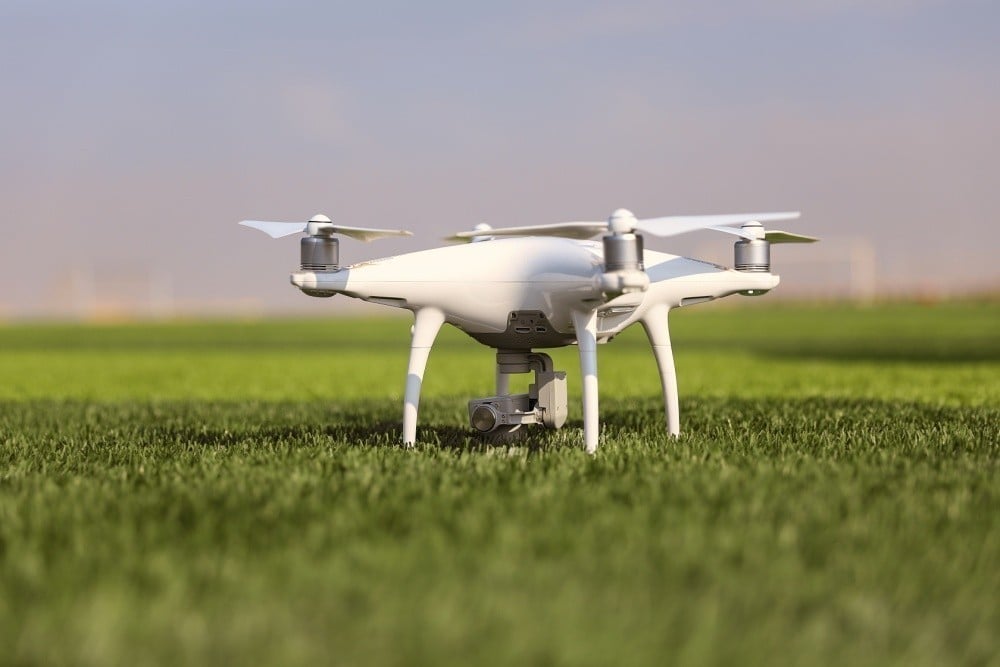
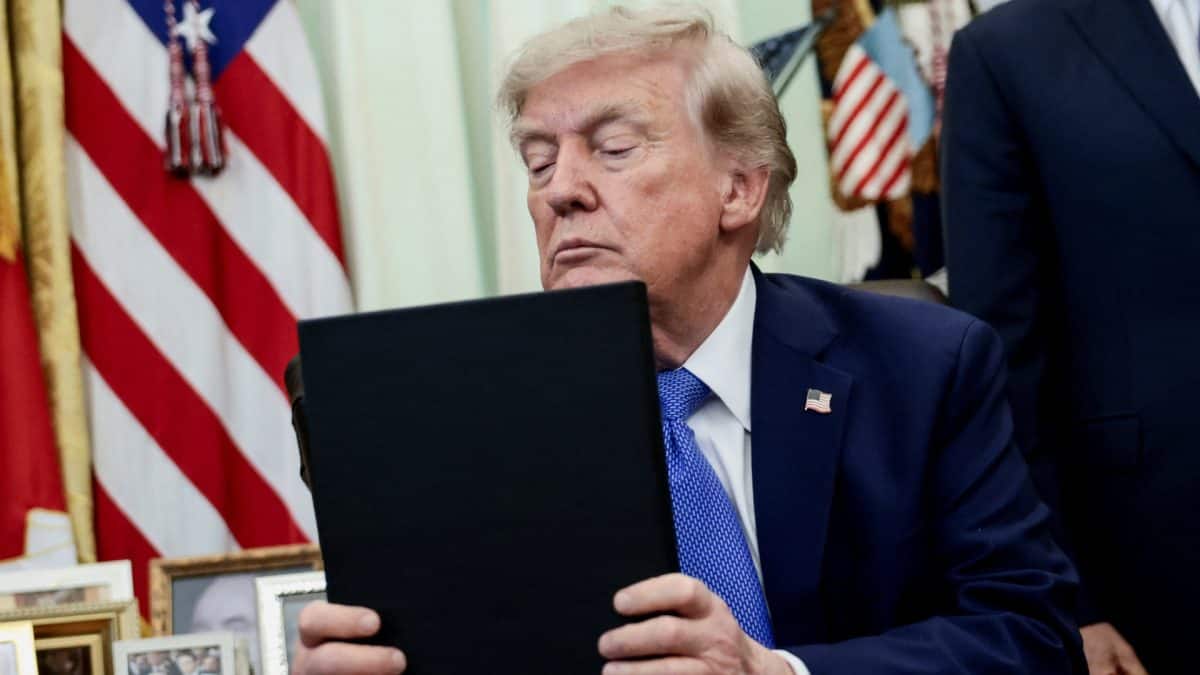
President Donald Trump has signed a proclamation imposing new import tariffs of up to 100 percent on foreign-made unmanned aircraft systems and their components, invoking Section 232 of the Trade Expansion Act of 1962. The measure targets systems the administration considers sensitive for national security, aiming to reduce United States dependence on foreign suppliers, particularly China, and to force a shift toward domestic manufacturing.
Trump Imposes Tariffs Up to 100% on Imported Drones
According to the White House, Commerce Secretary Howard Lutnick conducted an investigation that found import penetration from foreign producers of unmanned aircraft systems is substantial, leaving the country overly reliant on foreign sources that pose security and safety risks. The probe also concluded that the domestic industry does not produce enough to meet the nation’s security needs.
Tiered Tariff Rates and Exemptions for Allies
The policy establishes a tiered tariff structure based on the weight, capabilities, and origin of the imported equipment:
- 100% Tariff: Applied to drones weighing more than 25 kilograms (55 pounds) or equipped with thermal imaging capability, as well as critical components and drone docking stations (Insideunmannedsystems, Firstpost).
- 25% Tariff: Applied to smaller commercial and recreational drones lacking security-sensitive features, alongside other non-sensitive drone components (Firstpost, Investing).
- 15% Tariff: Applied to qualifying drones and components imported from the European Union, Japan, Liechtenstein, South Korea, Switzerland, and Taiwan (Insideunmannedsystems).
- 10% Tariff: Applied to technology originating from the United Kingdom, provided its hardware and software are substantially sourced from the UK or the US (Firstpost).
Most of the new duties take effect on September 3, 2026, which is 21 days after the proclamation was signed. For non-sensitive components and products approved by the Pentagon for an exemption from the Federal Communications Commission’s “Covered List” within 20 days of signing, the tariffs will be delayed for 180 days.
Focus on China and Supply-Chain Laundering
The action places intense pressure on Chinese manufacturers, particularly Shenzhen-based DJI, which industry estimates place at roughly 70 percent of the United States commercial drone market.
Craig Singleton, an expert on US-China technology competition at the Foundation for Defense of Democracies, noted that the tariffs close gaps left by a December Federal Communications Commission action that halted wireless authorizations for Chinese drones. Singleton told the Financial Times that the new trade action is designed to stop supply-chain laundering,
which refers to importing Chinese parts for domestic assembly. The administration also accused more than 40 countries of helping China circumvent existing tariffs by routing products through third-party nations.
The proclamation follows recent trade frictions that included China restricting certain drone exports to the United States and blacklisting six American companies in response to prior US trade actions.
Industry Response and Domestic Manufacturing
The order authorizes the Department of Commerce to establish an onshoring program to support new US investment in drone manufacturing and components. Joshua Steinman, a supply chain expert and former National Security Council member, emphasized that it is critical that America be able to produce its own unmanned capabilities
without relying on Chinese parts or raw materials.

Aviv Shapira, Chief Executive Officer of XTEND—a company operating a Tampa, Florida manufacturing facility called XFAB that supplies National Defense Authorization Act-compliant robotic systems—stated that the tariffs validate defense industry concerns. These tariffs validate what our defense customers have known for years: security and resilience start with who builds your technology and where,
Shapira said.
While supporters argue the policy will strengthen the domestic supply chain, trade experts have cautioned that the duties could initially increase costs and create supply challenges for American businesses dependent on imported drone technology.
Keep reading

Katie Boulter Suffers Heavy US Open Defeat Against Karolina Muchova
British No 1 Katie Boulter crashed out of the US Open on September 2, 2026, suffering the worst...
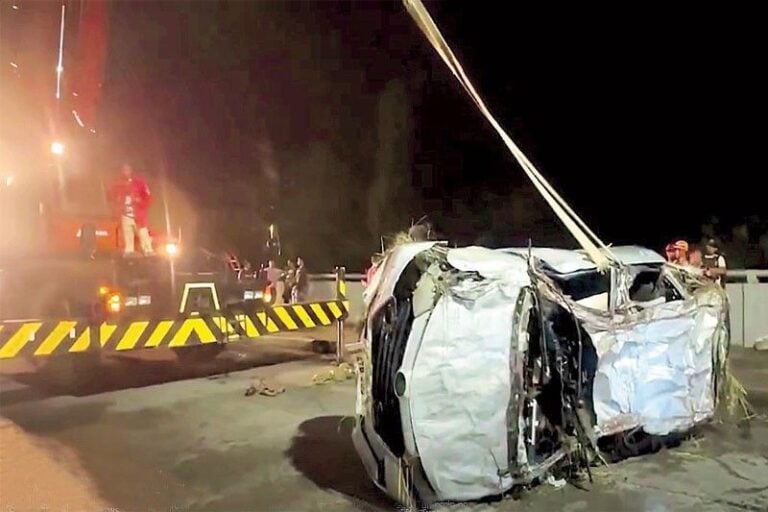
Tarlac Bridge Collapse Rescuers Recover Second Body in Pangasinan
Recovery efforts along river channels following a catastrophic infrastructure failure in central Luzon have located a second passenger.
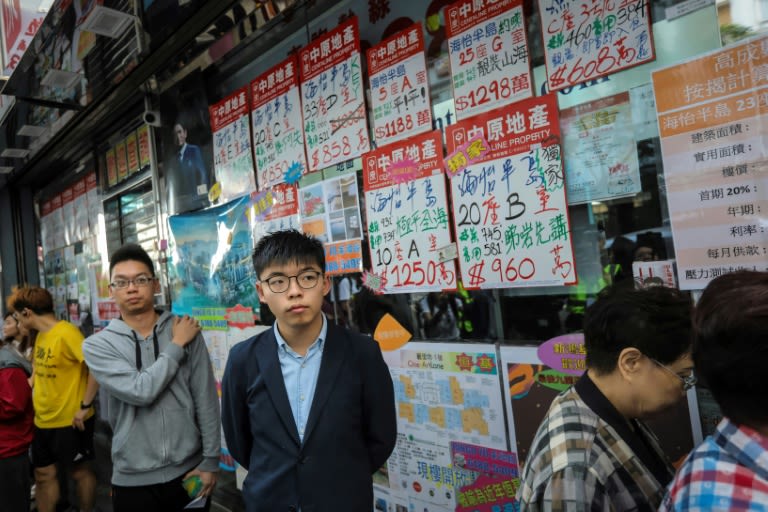
Joshua Wong Pleads Guilty to Foreign Collusion
Hong Kong pro-democracy activist Joshua Wong pleaded guilty on September 2, 2025, to conspiracy to collude with foreign...
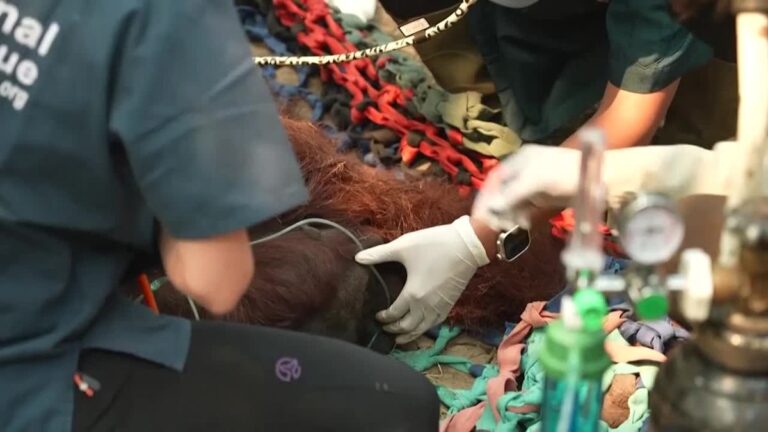
Vets Treat Rescued Orangutan for Smoke Inhalation in Indonesia
An orangutan found severely weakened near a palm oil plantation in West Kalimantan on August 30, 2026, is...