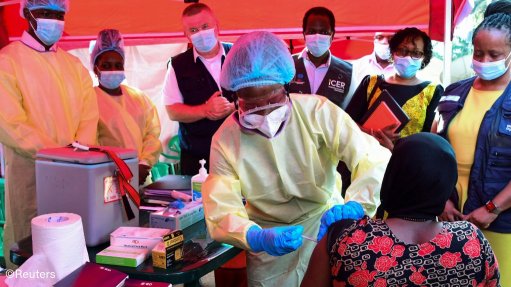
Underreported Ebola Cases Threaten Containment Efforts in DRC
The Ebola outbreak currently unfolding in the Democratic Republic of the Congo (DRC) is significantly more widespread than official figures indicate, according to senior health officials. Data from the World Health Organization (WHO) and regional authorities suggests that the true scale of the crisis may be two to four times higher than current confirmed reports.
As of the latest government data, the outbreak has resulted in 1,792 confirmed cases and 625 deaths. However, the WHO warns that the virus is outpacing the current emergency response.
Intense Community Transmission in Ituri
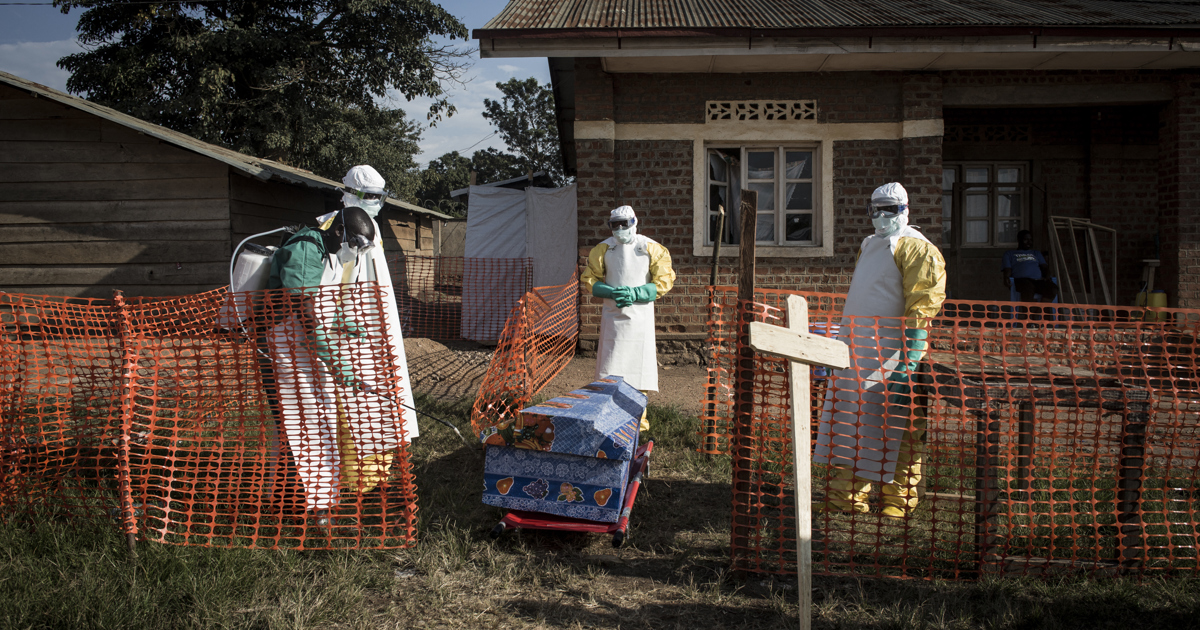
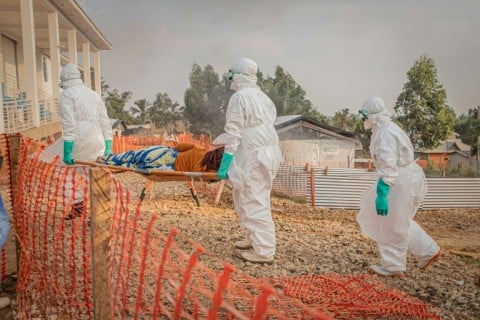
The heart of the crisis remains in Ituri province, where approximately 90% of all reported cases are concentrated. In the city of Bunia, which has a population of one million, roughly one in two patients tested for Ebola returns a positive result.
WHO Emergencies Director Chikwe Ihekweazu noted that 80% of new confirmed patients in the Bunia region have no known link to existing contact lists, a stark indicator of intense, ongoing community transmission. Conversely, in North Kivu province, where the outbreak is less severe, most new cases are being identified through established contact tracing, signaling a higher level of control in that area.
Challenges to Surveillance and Detection
/file/attachments/orphans/1433271193_119784.jpg "Photo: Daily Maverick")
The response is complicated by the nature of the specific virus involved: the Bundibugyo strain. Preliminary evidence suggests this strain may cause milder symptoms than other variants. While this can improve survival rates for those who reach care, it also alters risk perceptions within communities. Many families are opting to care for sick relatives at home rather than seeking immediate medical treatment.
“Patients are out there much longer than we would like,” Ihekweazu stated, emphasizing that the delay in seeking care increases the likelihood of further transmission. An analysis of the first 400 deaths in this outbreak found that approximately 70% occurred outside of treatment centers.
To combat these trends, authorities have launched an initiative to train 21,000 community health workers to conduct house-to-house visits, identify suspected cases, and encourage early medical intervention.
A Rapidly Expanding Crisis
Health authorities have described this as the “fastest growing” Ebola outbreak on record. Wessam Mankoula, head of emergency preparedness and response for the Africa Centres for Disease Control and Prevention (Africa CDC), noted that the number of cases is estimated to be doubling every 28 days. By comparison, the 2013-2016 West Africa outbreak recorded 994 cases in its first six weeks, while the current DRC outbreak recorded 1,596 cases in the same timeframe.
The virus has spread beyond the initial epicenter to North Kivu, South Kivu, and Tshopo provinces. In Tshopo, recent cases have been identified in the capital city of Kisangani, where health teams are currently working to trace potential exposures.
Barriers to Effective Response
Efforts to contain the virus face significant structural and environmental hurdles:
* Conflict and Insecurity: Armed groups, particularly in mineral-rich Ituri and South Kivu, continue to complicate the movement of health workers and the delivery of supplies.
* Funding Shortfalls: Officials have stated that $1.4 billion is required for the disease and humanitarian response. Recent cuts to humanitarian funding have further constrained the ability of teams to manage the crisis.
* Medical Limitations: The Bundibugyo strain lacks an approved vaccine. Clinical trials for two potential treatments—the monoclonal antibody MBP134 and the antiviral drug remdesivir—began in the DRC on July 2.
* Fragile Health Systems: Many areas were already struggling with conflict, displacement, and food insecurity before the arrival of the virus.
While laboratory capacity has been significantly expanded—increasing from 30 tests per day in Kinshasa to more than 2,000 across decentralized labs—the WHO maintains that the response has not yet stabilized. With treatment centers operating at roughly 90% capacity, health authorities are urging donors to accelerate the disbursement of resources to meet the surge in demand.
Find more reporting in our Health section.
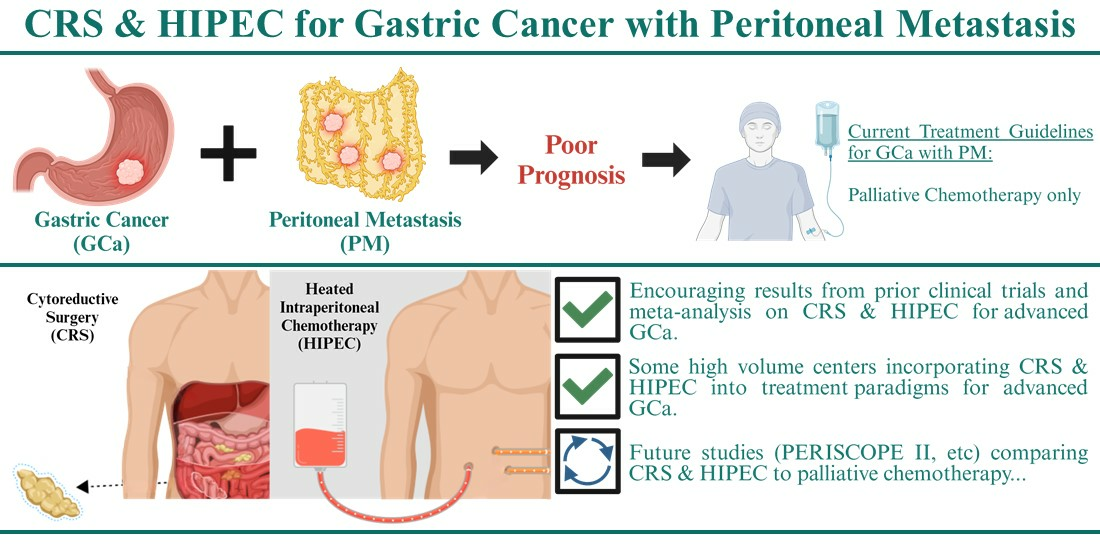
HIPEC in Gastric Cancer: Prophylactic and Therapeutic Roles
Gastric cancer remains a leading cause of cancer-related mortality worldwide, with peritoneal dissemination representing one of the most...
Antibiotic Resistance in Children Rose Globally From 2004 to 2022
Global antibiotic resistance in children rose across every region between 2004 and 2022, threatening last-line treatments for severe...

Nanoparticle Flu Vaccine Protects Against Multiple Strains in Mice
Annual vaccination remains the primary prevention strategy, but circulating influenza viruses undergo continuous evolution.

Dementia Carers Reveal Emotional Struggles With Fading Physical Intimacy
Physical intimacy often fades when a partner is diagnosed with dementia, creating a profound emotional divide for carers.