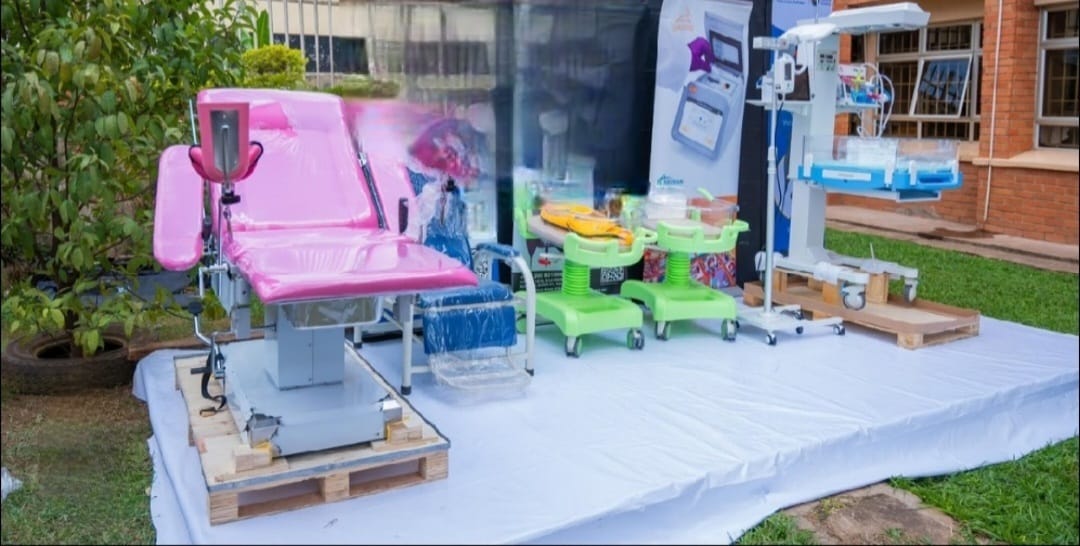
The Rotary Foundation has launched a major health initiative, distributing $551,000 (about sh2.2b) worth of essential maternal and newborn medical equipment to 16 Health Centre IVs across 14 districts in Uganda. The project, supported by the Mama Toto Care Uganda project, aims to reduce preventable maternal and neonatal deaths, targeting a reduction in mortality rates from the current 140 per 1,000 to less than 70 per 1,000 by the year 2030.
Global Grant Strategy for Maternal Health
The initiative represents a two-year Rotary Foundation global grant implemented through Mama Toto Care Uganda in partnership with the Ministry of Health and technical partners. According to John Magezi Ndamira, the Past Governor of District 9213 and team leader for the Mama Toto Care Uganda project, the equipment is designed to strengthen healthcare infrastructure across the country.
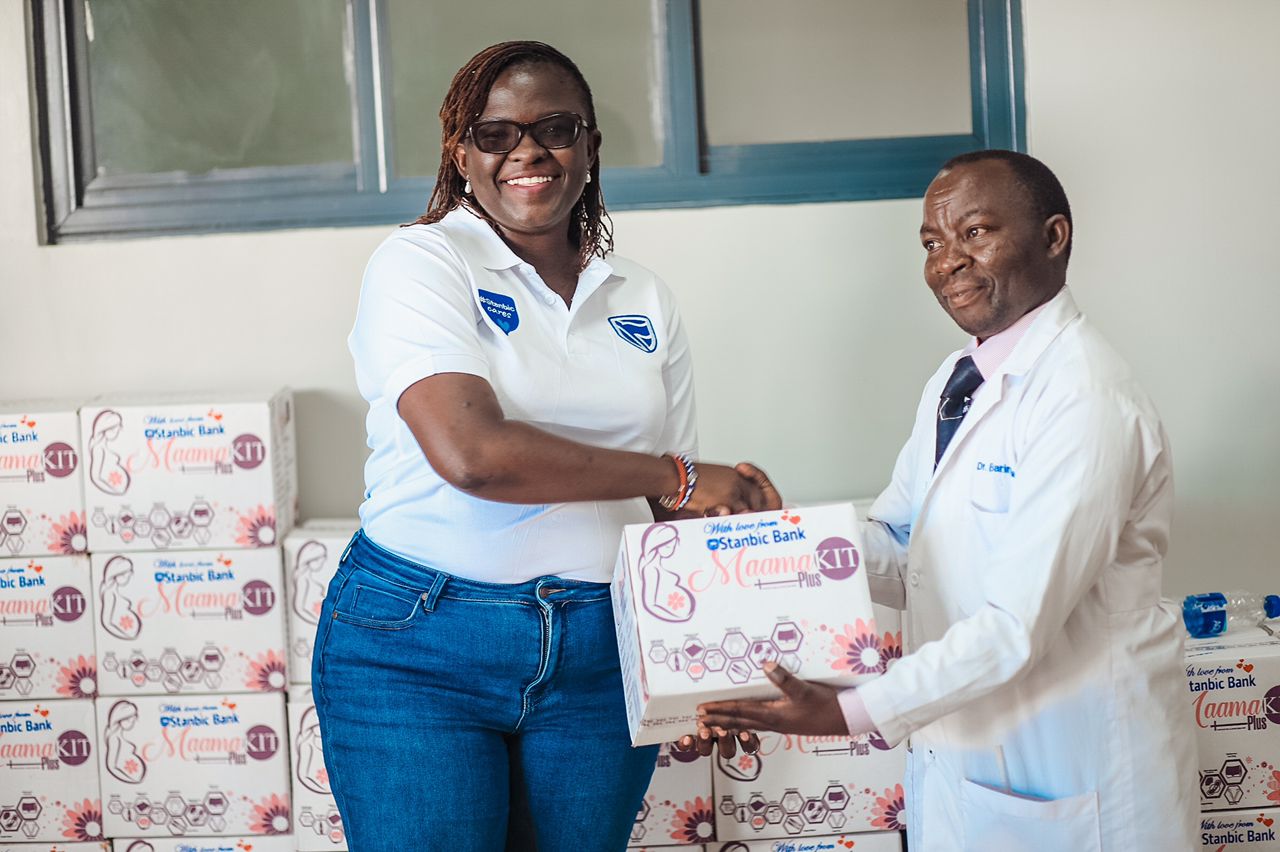
Dr. Richard Mugahi, the Ministry of Health’s Commissioner for Reproductive, Maternal, and Child Health, emphasized that the equipment is essential for achieving national health goals. During a handover at the ministry head offices in Kampala on July 7, Dr. Mugahi noted that a 2022 community-level demographic survey showed 189 maternal deaths per 1,000, a figure that decreased to 140 per 1,000 in a survey conducted last year. Dr. Mugahi stated, “The donation of these essential maternal and newborn health care equipment will help us to multiply the speed of reducing deaths by three times for both mothers and newborn babies so that we achieve the 70 per 1000 deaths goal by 2030. This means we need to put in place drugs, equipment, human resources, and infrastructure.”
Regional Distribution and Facility Upgrades
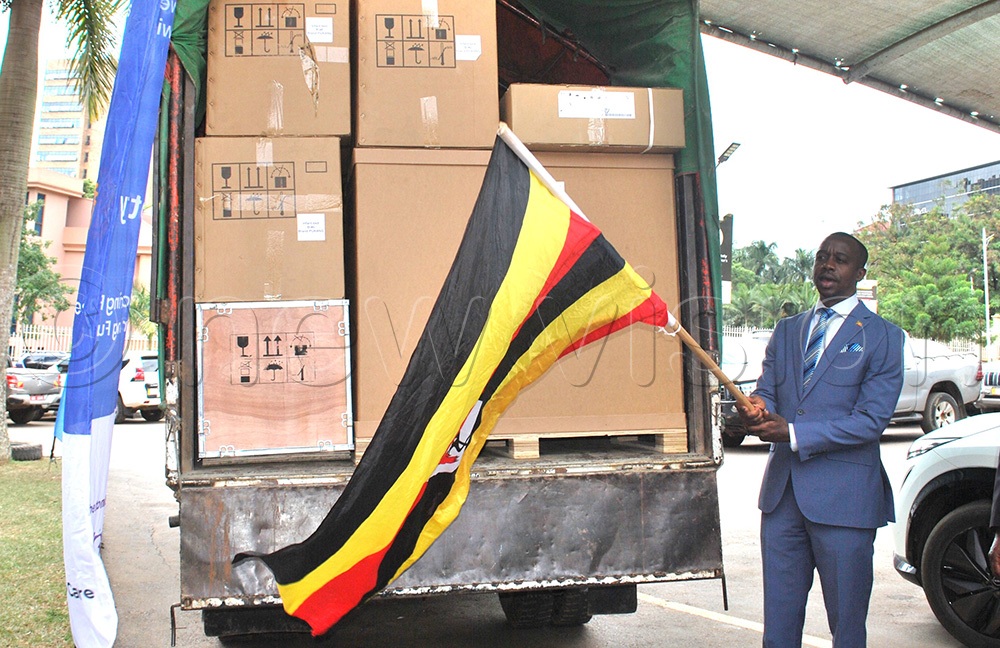
The equipment—which includes delivery beds, radiant warmers, phototherapy machines, newborn resuscitation kits, patient monitors, digital thermometers, C-section sets, pulse oximeters, blended CPAP (Continuous Positive Airway Pressure) units, baby cots, Warm Embraces, and Kangaroo Mothercare (KMC) chairs—was officially flagged for distribution by the State Minister in charge of Primary Health Care, Dr. Charles Ayume. The minister stated that the equipment will help mothers deliver healthy babies.
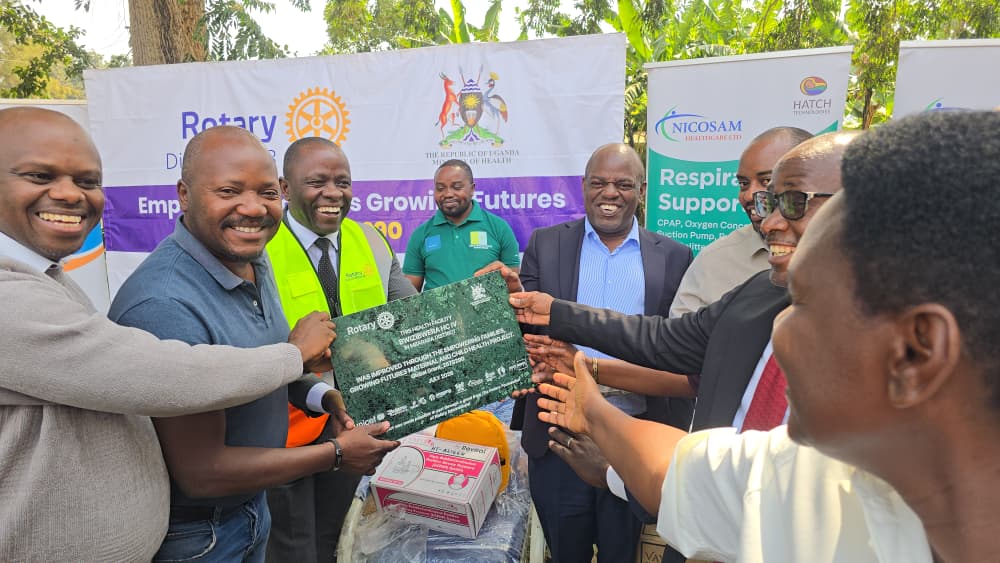
The 16 designated Health Centre IVs receiving the supplies include Kajjansi Health Centre IV (Wakiso), Namayumba Health Centre IV (Wakiso), Amolatar Health Centre IV, Kyanamukaka Health Centre IV (Masaka), Maziba Health Centre IV (Kabale), Shuuku Health Centre IV (Sheema), Mparo Health Centre IV (Rukiga), Mpigi Health Centre IV, Hamurwa Health Centre IV (Rubanda), Ssekanyonyi Health Centre IV (Mityana), Bumanya Health Centre IV (Kaliro), Ruteete Health Centre IV (Kabarole), Bukulula Health Centre IV (Kalungu), Kabuyanda Health Centre IV (Isingiro), Busiest Health Centre IV (Bugweri), and Bwizibwera Health Centre IV (Mbarara).
Local Impact and Implementation
In Mpigi, the arrival of equipment addressed long-standing shortages that had created challenges for health workers and mothers. John Matovu, representing the Rotary Club of Lungujja and the Rotary Club of Nabbingo, noted that the intervention followed concerns raised by residents and health workers. “We responded after learning about the challenges the health facility has been facing. Our goal is to strengthen maternal and newborn healthcare by providing equipment that will improve the quality of services offered to mothers and their babies,” Matovu said. Mpigi District Council Speaker Patrick Katende commended the effort, pledging that district leaders would monitor the equipment to prevent misuse.
In Western Uganda, the donation to Bwizibwera, Shuuku, and Kabuyanda Health Centre IVs aims to address the lack of specialized equipment for managing delivery complications and newborn emergencies. Dr. Erias Kumba Kumba, a paediatrician at Mbarara Regional Referral Hospital and focal person for the Rotary Club of Mbarara, highlighted the importance of the timing of the intervention. “A significant number of neonatal deaths are entirely preventable if the right equipment is available at the right time,” Dr. Kumba Kumba stated.
Clinical Sustainability and Maintenance
Beyond the delivery of hardware, the Rotary initiative includes a focus on long-term sustainability. Gerald Obai, the Governor of Rotary District 9213, confirmed that the project provides for installation, commissioning, user training, and maintenance support to ensure the equipment is fully operational. Saad Mwanje from Rotary emphasized that responsible management of the items is necessary to maximize their impact. As these 16 health centres begin integrating the new equipment, the success of the initiative relies on the continued maintenance and proper use of the medical supplies to ensure they serve the community for years to come.
Find more reporting in our News section.

Pakistan Imposes Emergency and Governor’s Rule in Khyber Pakhtunkhwa
Pakistan declared a state of emergency in Khyber Pakhtunkhwa on Sunday, October 11, 2026, suspending the provincial government...
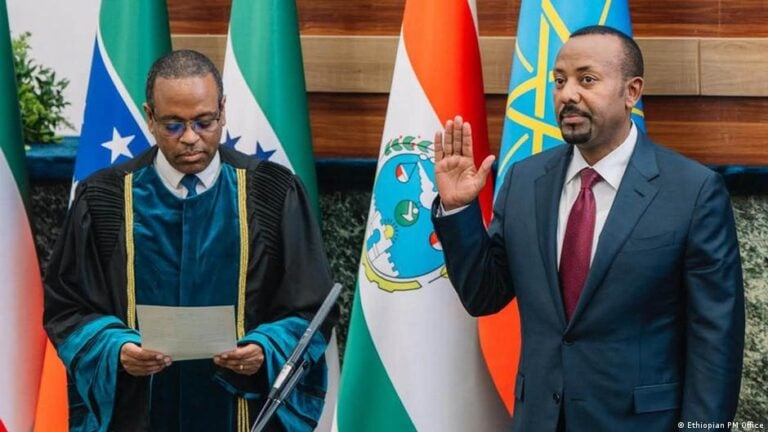
Abiy Ahmed Sworn In as Prime Minister With Focus on Red Sea Access
Prime Minister Abiy Ahmed was sworn into a new five-year term on Monday, October 5, 2026, following his...
Pope Leo XIV Rejects Death Penalty as Attack on Human Dignity
Pope Leo XIV has rejected the death penalty as an attack on human dignity, posting on X that...

SpaceX Launches 21 U.S. Space Force Satellites After Delay
Following a five-day delay from an earlier countdown abort, a SpaceX Falcon 9 rocket successfully launched 21 data...